

Close Menu

    Subscribe to Updates

    Get the latest tech news from Tallwire.

      What's Hot

      Health Data Of 3.4 Million Americans Exposed In Major Healthcare Technology Breach

      March 10, 2026

      Pentagon–Anthropic Clash Highlights Risks For Startups Chasing Federal AI Contracts

      March 10, 2026

      AI-Driven Security Audit Exposes Dozens Of Vulnerabilities In Major Web Browser

      March 9, 2026
      Facebook X (Twitter) Instagram
      • Tech
      • AI
      • Get In Touch
      Facebook X (Twitter) LinkedIn
      TallwireTallwire
      • Tech

        AI-Driven Security Audit Exposes Dozens Of Vulnerabilities In Major Web Browser

        March 9, 2026

        U.S. Approves Bill Gates-Backed TerraPower Reactor, Signaling Nuclear Energy Revival

        March 9, 2026

        AI War Games Reveal Chatbots Escalate Toward Nuclear Conflict

        March 8, 2026

        Nvidia Pulls Plug on China-Bound AI Chips Amid Escalating U.S.–China Tech Standoff

        March 8, 2026

        U.S. Military Deploys AI Targeting Tool in Iran Despite Government Feud With Its Creator

        March 8, 2026
      • AI

        Pentagon–Anthropic Clash Highlights Risks For Startups Chasing Federal AI Contracts

        March 10, 2026

        Microsoft, Google, And Amazon Maintain Access To Claude AI For Most Customers

        March 9, 2026

        AI-Driven Security Audit Exposes Dozens Of Vulnerabilities In Major Web Browser

        March 9, 2026

        OpenAI Delays ChatGPT “Adult Mode” Again Amid Safety And Priority Concerns

        March 9, 2026

        AI Agents Overwhelm Security Firms As Automation Outpaces Defenses

        March 8, 2026
      • Security

        Health Data Of 3.4 Million Americans Exposed In Major Healthcare Technology Breach

        March 10, 2026

        AI-Driven Security Audit Exposes Dozens Of Vulnerabilities In Major Web Browser

        March 9, 2026

        Cyberwarfare Takes Center Stage As Digital Attacks Shape The Modern Battlefield in Iran

        March 7, 2026

        Leaked Government-Grade iPhone Hacking Tools Now Power Global Cybercrime Campaign

        March 6, 2026

        International Crackdown Shutters Global Cybercrime Hub LeakBase

        March 6, 2026
      • Health

        Health Data Of 3.4 Million Americans Exposed In Major Healthcare Technology Breach

        March 10, 2026

        Expert Testimony Warns Social Media Is Rewiring Children’s Brains

        March 8, 2026

        Courtroom Scrutiny Grows Over Claims Instagram Tracked Usage While Pursuing Teens

        March 5, 2026

        Smartphone Use Creates A Daily “Vicious Cycle” Of Disconnection And Disengagement

        March 4, 2026

        Gaming Platforms Like Roblox Used by Crime Gangs to Groom Children, Victoria Warns

        March 4, 2026
      • Science

        U.S. Approves Bill Gates-Backed TerraPower Reactor, Signaling Nuclear Energy Revival

        March 9, 2026

        Study Warns Artificial Intelligence Can Be Used To Fabricate Scientific Research

        March 8, 2026

        Expert Testimony Warns Social Media Is Rewiring Children’s Brains

        March 8, 2026

        Floating Data Centers Could Beat Costly Space-Based AI Infrastructure

        March 6, 2026

        CERN Turns To Artificial Intelligence To Challenge Long-Standing Physics Theories

        March 6, 2026
      • Tech

        Apple Quietly Expands Executive Bench With Three New Leaders

        March 8, 2026

        Silicon Valley’s Political Experiment Faces Internal Revolt

        March 7, 2026

        Sam Altman Says ‘AI Washing’ Is Being Used to Mask Corporate Layoffs

        February 28, 2026

        Zuckerberg Testifies In Landmark Trial Over Alleged Teen Social Media Harms

        February 23, 2026

        Gay Tech Networks Under Spotlight In Silicon Valley Culture Debate

        February 23, 2026
      TallwireTallwire
      Home»Cybersecurity»North Korean “Quishing” Campaign Exploits QR Codes to Target U.S. Organizations, FBI Warns
      Cybersecurity

      North Korean “Quishing” Campaign Exploits QR Codes to Target U.S. Organizations, FBI Warns

      3 Mins Read
      Facebook Twitter Pinterest LinkedIn Tumblr Email
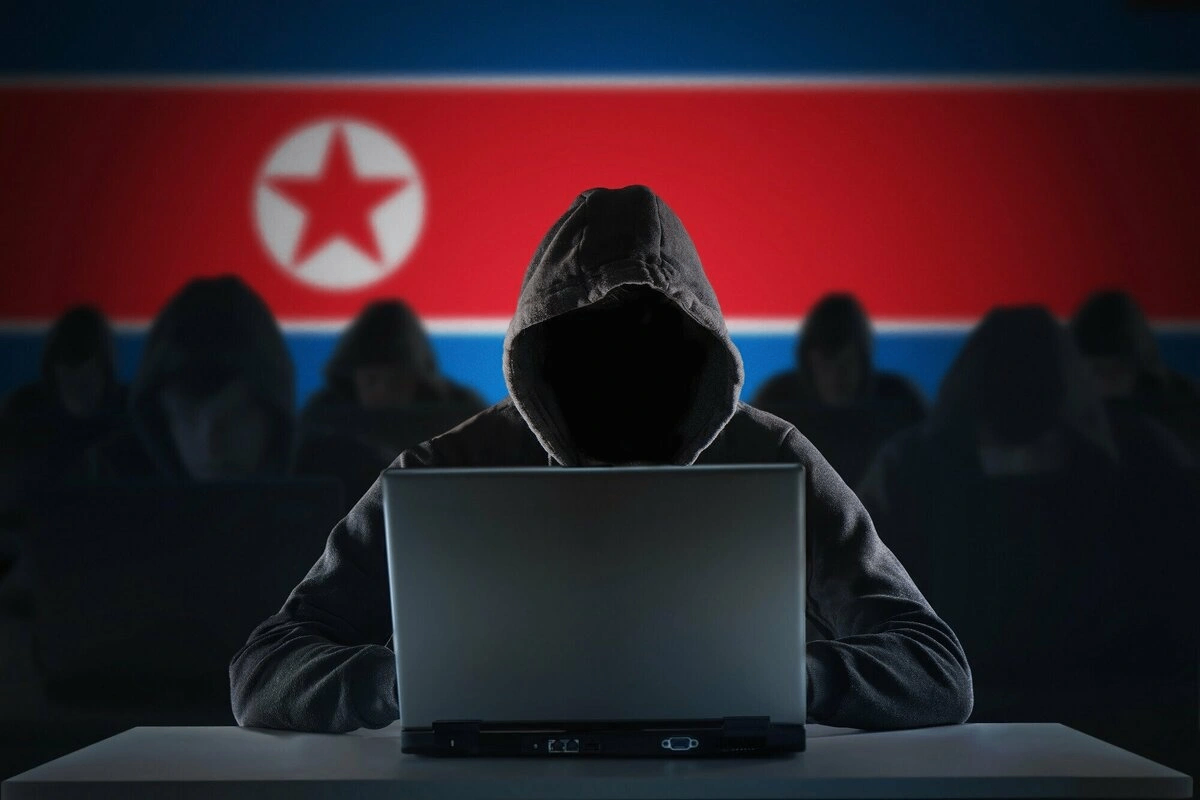
      North Korea Hits Crypto Record: Over $2 Billion Stolen in 2025, Tied to Weapons Funding
      North Korea Hits Crypto Record: Over $2 Billion Stolen in 2025, Tied to Weapons Funding
      Share
      Facebook Twitter LinkedIn Pinterest Email

      North Korean state-sponsored hacking group Kimsuky is employing a novel spear-phishing technique that embeds malicious links in QR codes—coined “quishing”—to steal credentials and sensitive information from U.S. government entities, academic institutions, think tanks, and foreign policy experts, according to a recent FBI alert. The method works by delivering phishing emails that contain QR codes which, when scanned, redirect unsuspecting victims’ mobile devices to fake login pages mimicking Microsoft 365, Okta, or VPN portals, often evading traditional email and network defenses. Security analysts stress that this attack vector is especially dangerous because it leverages unmanaged mobile devices outside enterprise protection and can even bypass multi-factor authentication once session tokens are harvested. International authorities, including South Korea’s cybersecurity agency, have issued similar warnings about QR code-based phishing linked to North Korean cyber operatives. Expert recommendations emphasize heightened vigilance toward unsolicited QR codes and bolstered layered defenses for targeted organizations.

      Sources:

      https://www.theepochtimes.com/us/north-korean-hackers-using-qr-codes-to-steal-sensitive-information-fbi-5969250
      https://thehackernews.com/2026/01/fbi-warns-north-korean-hackers-using.html
      https://www.webpronews.com/north-korean-hackers-deploy-malicious-qr-codes-in-phishing-attacks-on-us-targets/

      Key Takeaways

      • QR Codes as a New Phishing Vector: North Korea’s Kimsuky has adapted traditional spear-phishing by embedding malicious URLs inside QR codes, tricking victims into scanning with mobile devices and bypassing email security controls.
      • Targets of Strategic Importance: The campaign is focused on high-value U.S. targets such as government agencies, think tanks, academic institutions, and foreign policy researchers, indicating a priority on intelligence collection rather than random financial theft.
      • Security Gaps Exploited: Because QR code links typically evade URL inspection and are accessed via mobile devices outside endpoint detection systems, these “quishing” attacks can steal credentials and session tokens that may even bypass multi-factor authentication protections.

      In-Depth

      As cybersecurity threats evolve, nation-state actors are constantly refining their tactics to infiltrate sensitive networks. In its Jan. 8 public advisory, the Federal Bureau of Investigation (FBI) sounded the alarm on an emerging spear-phishing method from the North Korean state-sponsored cyber group Kimsuky that weaponizes malicious QR codes to harvest credentials and other sensitive data. Often dismissed as convenient shortcuts to web pages, QR codes have become a stealthy means for adversaries to redirect unsuspecting users to attacker-controlled sites. In these “quishing” campaigns, phishing emails arrive disguised as communications from trusted entities and include embedded QR images or attachments. When scanned with a mobile device, these codes lead victims to fake Microsoft 365, Okta, or VPN login pages crafted to resemble legitimate services. Because the initial interaction often occurs on a personal phone or tablet, enterprise malware defenses—like endpoint detection and response tools—are unable to intercept the harmful traffic.

      This adaptation is not just a cybersecurity curiosity but a strategic threat. By harvesting credentials and session tokens, practitioners can sidestep multi-factor authentication systems, giving attackers a foothold into cloud accounts long enough to pivot and launch secondary attacks from within trusted corporate ecosystems. The FBI’s alert underscores that this campaign is not broad but intentional, aimed at think tanks, universities, and government organizations involved with foreign policy and national security issues. South Korea’s internet security agency has echoed similar warnings, confirming that QR-based phishing attacks tied to North Korean hackers are on the rise.

      In response, cybersecurity experts and federal agencies are pushing organizations to adopt multi-layered defenses, including mobile device management, employee training on avoiding unsolicited QR code scans, and augmented monitoring on mobile traffic. Absent such mitigations, the deceptively simple QR code could become a potent backdoor into America’s most critical information networks.

      Share. Facebook Twitter Pinterest LinkedIn Tumblr Email
      Previous ArticleMusk Pledges to Open-Source X’s Recommendation Algorithm, Promising Transparency
      Next Article Apple to Mass-Produce AI Server Chips in 2026, Signaling Big Push into Custom AI Infrastructure

      Related Posts

      Pentagon–Anthropic Clash Highlights Risks For Startups Chasing Federal AI Contracts

      March 10, 2026

      Health Data Of 3.4 Million Americans Exposed In Major Healthcare Technology Breach

      March 10, 2026

      Microsoft, Google, And Amazon Maintain Access To Claude AI For Most Customers

      March 9, 2026

      AI-Driven Security Audit Exposes Dozens Of Vulnerabilities In Major Web Browser

      March 9, 2026
      Add A Comment
      Leave A Reply Cancel Reply

      Editors Picks

      AI-Driven Security Audit Exposes Dozens Of Vulnerabilities In Major Web Browser

      March 9, 2026

      U.S. Approves Bill Gates-Backed TerraPower Reactor, Signaling Nuclear Energy Revival

      March 9, 2026

      AI War Games Reveal Chatbots Escalate Toward Nuclear Conflict

      March 8, 2026

      Nvidia Pulls Plug on China-Bound AI Chips Amid Escalating U.S.–China Tech Standoff

      March 8, 2026
      Popular Topics
      Quantum computing Sundar Pichai Series A picks Robotics Qualcomm UAE Tech Samsung Tesla Ransomware SpaceX spotlight Sam Altman Satya Nadella Series B trending Taiwan Tech Startup Tim Cook Tesla Cybertruck
      Major Tech Companies
      • Apple News
      • Google News
      • Meta News
      • Microsoft News
      • Amazon News
      • Samsung News
      • Nvidia News
      • OpenAI News
      • Tesla News
      • AMD News
      • Anthropic News
      • Elbit News
      AI & Emerging Tech
      • AI Regulation News
      • AI Safety News
      • AI Adoption
      • Quantum Computing News
      • Robotics News
      Key People
      • Sam Altman News
      • Jensen Huang News
      • Elon Musk News
      • Mark Zuckerberg News
      • Sundar Pichai News
      • Tim Cook News
      • Satya Nadella News
      • Mustafa Suleyman News
      Global Tech & Policy
      • Israel Tech News
      • India Tech News
      • Taiwan Tech News
      • UAE Tech News
      Startups & Emerging Tech
      • Series A News
      • Series B News
      • Startup News
      Tallwire
      Facebook X (Twitter) LinkedIn Threads Instagram RSS
      • Tech
      • Entertainment
      • Business
      • Government
      • Academia
      • Transportation
      • Legal
      • Press Kit
      © 2026 Tallwire. Optimized by ARMOUR Digital Marketing Agency.

      Type above and press Enter to search. Press Esc to cancel.