

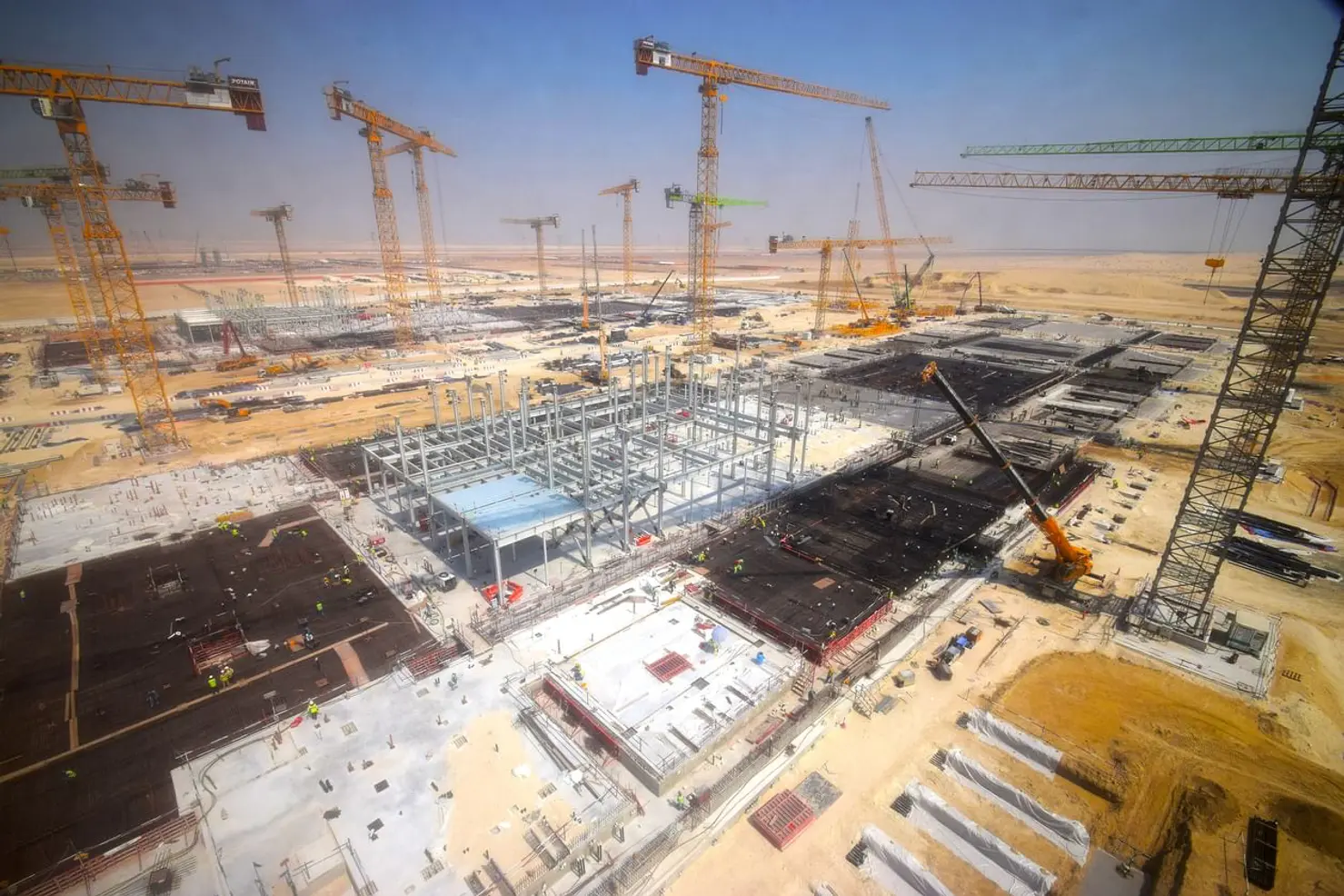
The expanding conflict involving Iran, Israel, and U.S. forces has unexpectedly dragged one of the world’s most critical pieces of modern infrastructure into the line of fire: commercial data centers. Drone strikes linked to Iran’s retaliatory campaign damaged multiple hyperscale cloud facilities in the Persian Gulf, including Amazon Web Services installations in the United Arab Emirates and Bahrain, causing power disruptions, fires, and temporary outages affecting businesses and financial institutions across the region. The attacks mark the first widely reported instance of major Western cloud infrastructure being directly affected by military activity, exposing how the digital backbone of the global economy—once assumed to be insulated from battlefield dynamics—remains physically vulnerable. The incidents also threaten the Gulf region’s ambitious strategy to transform itself into a global hub for artificial intelligence and cloud computing, a plan backed by tens of billions in Western tech investment. Analysts now warn that the war has opened a new front in modern conflict: the targeting of commercial digital infrastructure that underpins everything from banking to logistics and government operations.
Sources
https://www.semafor.com/article/03/03/2026/data-centers-are-caught-in-the-crossfire-of-the-iran-war
https://www.reuters.com/world/middle-east/amazon-cloud-unit-flags-issues-bahrain-uae-data-centers-amid-iran-strikes-2026-03-02/
https://apnews.com/article/71066b0a822c4cfd88b61e3fe79af917
https://restofworld.org/2026/amazon-uae-data-center-fire-iran-strike/
Key Takeaways
- Modern warfare is increasingly targeting digital infrastructure, with commercial cloud data centers now emerging as potential strategic targets.
- Drone strikes damaged multiple hyperscale facilities in the Persian Gulf, disrupting cloud services used by businesses, banks, and governments across the region.
- The attacks threaten the Gulf’s ambitions to become a global artificial intelligence and cloud-computing hub backed by massive Western technology investment.
In-Depth
The expanding confrontation between Iran and its regional adversaries has exposed a harsh reality that many policymakers and technology executives preferred to ignore: the digital economy still depends on vulnerable physical infrastructure. In recent days, drone strikes tied to the conflict damaged multiple hyperscale cloud facilities in the Persian Gulf, including several operated by Amazon’s cloud division. The incidents triggered fires, power disruptions, and temporary outages across parts of the Middle East, demonstrating that the modern internet—often portrayed as a borderless, resilient system—remains grounded in very real buildings filled with servers.
Two of the affected facilities were located in the United Arab Emirates and reportedly suffered direct impacts from drone strikes, while a third installation in Bahrain sustained damage from a nearby blast. Even though the outages were largely localized and global cloud services continued operating, the disruptions were significant enough to affect banks, corporate clients, and regional technology companies that rely heavily on cloud computing. Amazon advised some customers to reroute workloads to other geographic regions as engineers worked to stabilize affected systems and restore operations.
The episode underscores an uncomfortable truth about the architecture of the internet. While cloud providers build redundancy into their systems—distributing workloads across multiple availability zones and regions—the underlying facilities themselves remain physical structures susceptible to fires, floods, sabotage, or military strikes. In other words, the cloud may be distributed, but it is far from indestructible.
What makes the incident particularly alarming is the strategic context. Over the last several years, Gulf states have aggressively marketed themselves as the next great frontier for artificial intelligence infrastructure. Massive investment commitments from Western technology firms have been pouring into the region, with companies building advanced data centers designed to host large AI models and support regional digital economies. The promise was simple: political stability, vast capital, and close alignment with Western partners would create a safe environment for the world’s data and computing power.
The recent strikes call that promise into question. For the first time, a major geopolitical conflict has directly threatened the physical backbone of the global cloud economy. Analysts now warn that if conflicts continue to escalate, the technology industry may need to rethink how and where it builds the infrastructure powering the digital world.
One likely outcome is a push toward hardened facilities—data centers designed with military-grade protection or built underground. But such defenses are enormously expensive. Estimates suggest that constructing hardened subterranean facilities can add hundreds of millions of dollars to project costs, which would ultimately ripple through the economics of cloud computing and artificial intelligence infrastructure.
Another consequence could be greater geographic diversification of cloud resources. Technology companies may accelerate efforts to distribute computing capacity across more countries, ensuring that no single conflict zone can cripple regional digital services. That strategy, however, comes with its own trade-offs, including higher costs and more complex regulatory challenges.
The broader lesson is difficult to ignore: the digital age has not eliminated the strategic importance of geography. Instead, it has created new targets. Data centers—quiet industrial buildings filled with servers—now sit alongside oil facilities, ports, and pipelines as critical infrastructure capable of influencing economic stability.
In a world increasingly defined by geopolitical competition, the cloud is no longer just a technological platform. It is becoming another domain of strategic conflict.