

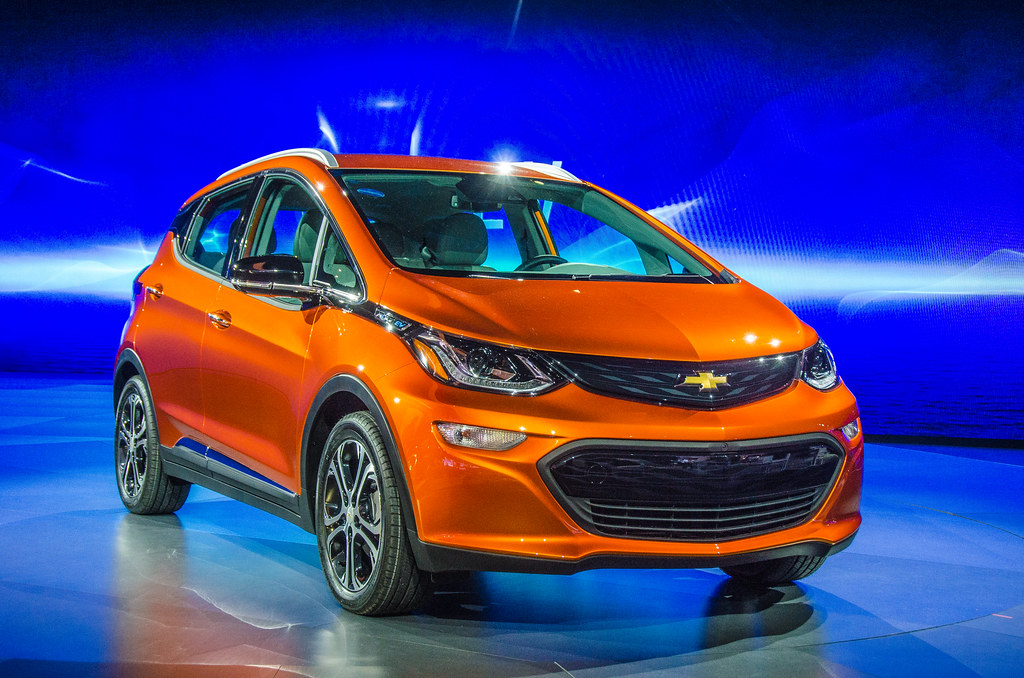
General Motors appears to be taking a pragmatic route through the turbulence surrounding the electric-vehicle market by reviving the Chevrolet Bolt as a lower-cost, incrementally improved model designed to maintain EV momentum without massive new spending. Rather than rolling out an entirely new platform, the automaker refined the Bolt with a more efficient motor and upgraded power electronics that add roughly 15 miles of driving range while keeping prices relatively low. The strategy reflects a broader shift among legacy automakers confronting slower-than-expected EV adoption and mounting costs tied to the transition away from gasoline vehicles. By focusing on incremental improvements, shared technology, and a vehicle positioned under the $30,000 range, the Bolt aims to appeal to practical buyers who want electric transportation without the steep price tags often associated with the segment. For GM, the revived Bolt represents more than just a product relaunch—it is a calculated hedge against the uncertainty surrounding the pace of the EV transition and a signal that affordability and incremental engineering may prove more durable than splashy announcements or costly new platforms in an evolving automotive landscape.
Sources
https://techcrunch.com/2026/03/09/gm-figured-out-how-to-navigate-ev-uncertainty-with-the-chevy-bolt/
https://www.caranddriver.com/news/a68988402/2027-chevy-bolt-revealed/
https://www.barrons.com/articles/gm-stock-chevy-bolt-tesla-643efa5f
Key Takeaways
- General Motors is reviving the Chevrolet Bolt with modest engineering upgrades rather than investing in an expensive new EV platform, signaling a more cautious approach to the uncertain electric-vehicle market.
- The updated Bolt focuses on affordability—likely under $30,000—while offering improved range, faster charging, and compatibility with widely used charging networks.
- Incremental improvements and shared components allow GM to reduce costs and potentially make the vehicle profitable, even as broader EV demand has grown more unpredictable.
In-Depth
The electric-vehicle revolution has often been framed as a rapid, inevitable march toward a fully electrified future. Yet the reality on the ground has been more complicated. Automakers that once raced to unveil ambitious EV strategies are now confronting a market shaped by slower-than-expected adoption, evolving government incentives, and consumer hesitation about cost and charging infrastructure. In this environment, General Motors appears to be recalibrating its strategy by leaning into practicality rather than hype.
The revived Chevrolet Bolt represents the clearest example of this shift. Instead of pouring billions into a radical new model, GM opted to refine a vehicle that already had a loyal customer base. Engineers focused on targeted upgrades—most notably a more efficient motor and improved power electronics that increase range by about 15 miles compared with the previous Bolt EUV model. The changes are evolutionary rather than revolutionary, but they illustrate a philosophy that steady improvements can deliver meaningful value without dramatically raising costs.
Affordability sits at the center of the strategy. The new Bolt is expected to launch below the $30,000 mark, placing it among the least expensive electric vehicles in the American market. At a time when many EVs cost $40,000 or more, that pricing could open the door to a broader swath of consumers. The vehicle’s roughly 255-mile range, updated battery chemistry, and improved charging capability also make it more competitive with other entry-level EV options.
This emphasis on accessible pricing carries strategic implications beyond a single model. By using shared technology and components from other electric vehicles in its lineup, GM reduces development costs while maintaining production scale. That approach may help the company turn a profit on the Bolt—something that earlier versions struggled to achieve. For a legacy automaker managing the financial strain of electrification, even modest profitability can be significant.
The decision also reflects broader industry realities. Electric-vehicle growth has been uneven, and several automakers have slowed investment timelines or adjusted production targets. In this climate, a vehicle that balances price, range, and practicality may resonate more strongly with mainstream buyers than high-priced technological showcases. GM’s approach suggests that the next phase of the EV transition may be less about bold experimentation and more about refining proven designs.
In short, the Bolt’s comeback highlights a quieter but potentially more sustainable path forward. Instead of betting everything on expensive new platforms, GM is advancing the EV transition through incremental engineering, cost discipline, and vehicles ordinary drivers can realistically afford. Whether that strategy proves decisive remains to be seen, but it reflects a growing recognition that the future of electric mobility may depend as much on practicality as on technological ambition.