

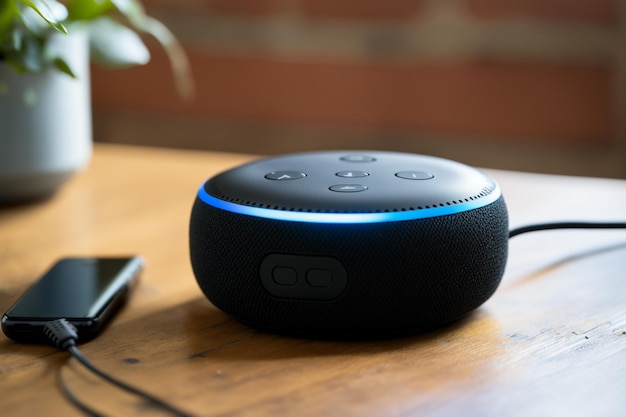
Amazon has introduced a new adults-only personality setting for its generative-AI powered assistant Alexa+, allowing the device to use casual profanity and respond in a more irreverent tone while still maintaining guardrails against explicit or unsafe material. The optional mode is designed for adult users who want a less sanitized interaction with the assistant, but the system still refuses requests involving explicit sexual content, hate speech, illegal activities, or personal attacks. The update reflects a broader push by technology companies to make AI assistants feel more human and customizable while preserving strict safety limits. Amazon has steadily expanded Alexa+ with new personality options and conversational capabilities as it competes with other AI systems entering the consumer market. With millions of devices already in homes worldwide, the company is betting that personalization—including tone and demeanor—will keep users engaged while avoiding the reputational risks that come from unfiltered AI behavior.
Sources
https://techcrunch.com/2026/03/12/alexa-gets-a-new-adults-only-personality-option-that-curses-but-wont-get-into-nsfw-content
https://techcrunch.com/2026/02/25/amazons-ai-powered-alexa-gets-new-personality-options/
https://techcrunch.com/2026/02/04/alexa-amazons-ai-assistant-is-now-available-to-everyone-in-the-u-s/
Key Takeaways
- Amazon has launched an optional “adults-only” Alexa personality that allows casual profanity but blocks explicit or harmful content.
- The feature is part of a broader effort to make AI assistants more customizable and conversational while maintaining safety guardrails.
- Personalization of AI tone and behavior is emerging as a major competitive feature as companies race to differentiate consumer AI platforms.
In-Depth
Amazon’s latest update to Alexa+ highlights a growing shift in how technology companies are trying to humanize artificial intelligence without losing control of it. The new adults-only personality option allows the assistant to speak in a more relaxed and occasionally profane tone, something that would have been unthinkable in earlier generations of voice assistants designed to be family-friendly at all times. The idea is straightforward: adult users often find sanitized digital assistants robotic and unnatural, so giving Alexa the ability to respond with mild swearing and a looser conversational style can make interactions feel more authentic.
Yet the change also underscores how cautious the major tech companies remain when deploying AI systems into millions of homes. Even in the adults-only setting, Alexa+ refuses to engage with explicit sexual content, hateful speech, personal harassment, or illegal requests. In other words, the assistant can sound more human, but it is still firmly inside a set of corporate guardrails designed to avoid controversy, regulatory scrutiny, and potential misuse.
This balance reflects the broader tension shaping the AI industry. On one hand, companies are racing to make their assistants more expressive, personalized, and conversational. Amazon has already rolled out multiple personality styles for Alexa+, allowing users to choose tones ranging from brief and efficient to warm and encouraging. On the other hand, the rapid expansion of generative AI has raised real concerns about safety, misinformation, and harmful content. As a result, companies are carefully designing features that increase realism without opening the door to behavior that could damage trust.
For Amazon, the stakes are particularly high. Alexa devices are already embedded in millions of households, and the company is attempting to transform that installed base into a powerful AI ecosystem. By layering generative AI and personality customization onto existing hardware, Amazon hopes to keep Alexa relevant in an increasingly crowded market where chatbots and digital assistants are evolving rapidly.