

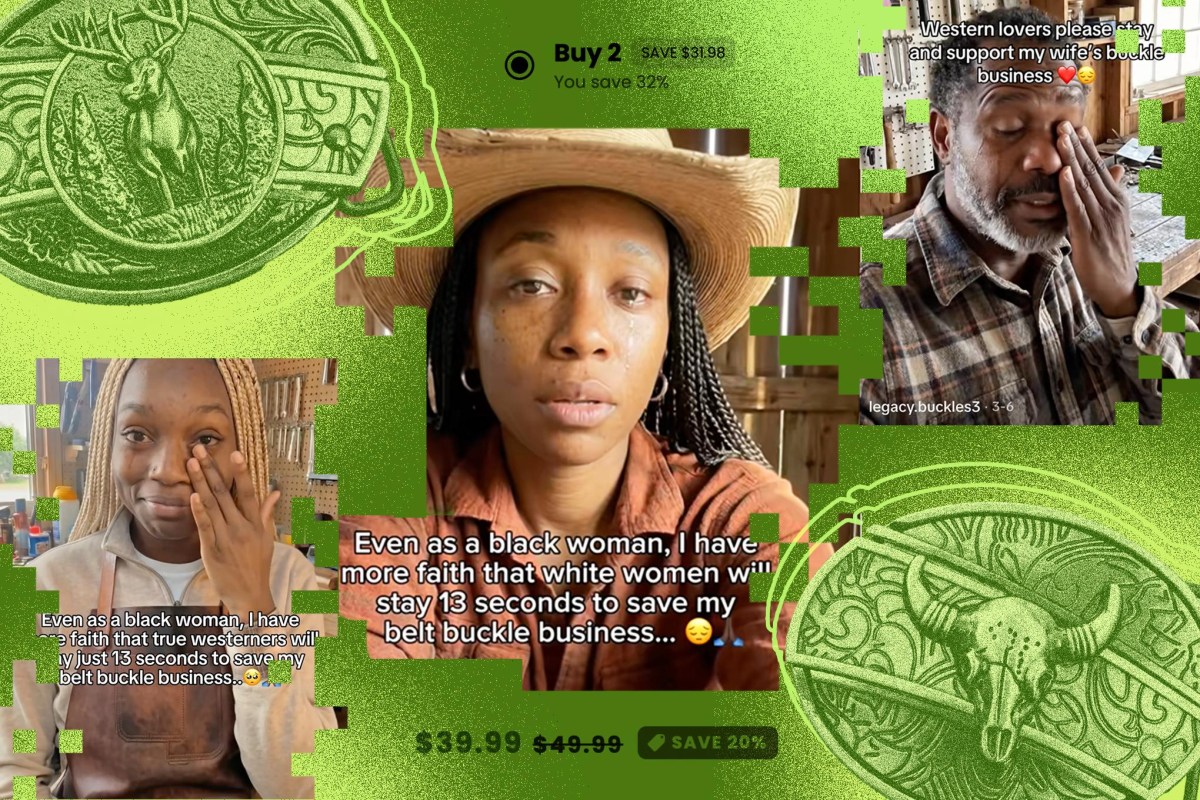
A growing wave of AI-generated social media accounts is exploiting racial identity, economic hardship narratives, and emotional manipulation to sell low-cost imported products at heavily inflated prices through platforms like TikTok, Instagram, and Facebook. The trend involves synthetic Black avatars posing as struggling small-business owners, often claiming to handcraft products that are actually mass-produced and sourced from fast-fashion suppliers such as Shein. Researchers cited in recent reporting warn that these operations are becoming increasingly sophisticated, blending artificial intelligence, dropshipping, automated engagement, and what some academics describe as a form of “digital blackface” to drive impulse purchases from consumers motivated by sympathy, guilt, or solidarity. The phenomenon highlights how AI is rapidly lowering the cost of deception while exposing the inability—or unwillingness—of major social media platforms to police fraudulent and emotionally manipulative content at scale.
Sources
- https://www.theverge.com/ai-artificial-intelligence/938844/ai-tiktok-shop-blackface-shein-dropshipping
- https://www.wired.com/story/tiktok-evolution-digital-blackface
- https://www.businessinsider.com/tiktok-shop-exec-ai-is-powerful-tool-for-ecommerce-fraud-2025-11
- https://www.glamourmagazine.co.uk/article/black-women-ai-models-investigation
- https://www.forbes.com/sites/katehardcastle/2025/02/16/sheins-global-challenge-will-us-trade-curbs-disrupt-one-of-fast-fashions-giants
Key Takeaways
- Artificial intelligence has made it dramatically easier for bad actors to manufacture fake identities, emotional narratives, and supposed small-business success stories that can be monetized through dropshipping and impulse purchasing.
- The use of AI-generated Black avatars and racialized hardship narratives demonstrates how identity politics and guilt-based marketing can be weaponized for commercial gain by individuals with no authentic connection to the communities they claim to represent.
- Social media platforms continue to benefit from engagement generated by sensational and emotionally manipulative content, creating incentives that often allow deceptive material to spread faster than efforts to identify or remove it.
In-Depth
The latest AI-driven scam trend should serve as a warning to anyone who still believes that viral social media content deserves the benefit of the doubt. What is emerging across TikTok and other platforms is not merely misleading advertising but a sophisticated form of emotional exploitation that uses artificial intelligence to manufacture trust where none exists. Fake creators present themselves as struggling entrepreneurs, often invoking race, class, or personal hardship to trigger sympathy and encourage purchases.
The most troubling aspect is not simply the deception itself. It is the calculated use of racial identity as a marketing tool. According to researchers and academics cited in recent reporting, AI-generated Black personas are being deployed because operators believe they can generate emotional engagement, social solidarity, and even guilt-driven purchasing behavior. Consumers who think they are supporting an independent artisan or helping someone overcome adversity are often being funneled toward mass-produced imports selling at enormous markups.
This development also exposes a broader failure of the social media economy. Platforms have spent years encouraging users to react emotionally, share instantly, and consume content without scrutiny. AI has now supercharged that environment. Fraudsters no longer need real influencers, real products, or even real stories. They need only a convincing avatar and a compelling grievance narrative.
As AI tools become cheaper and more powerful, consumers will need to adopt a simple rule: verify first, sympathize second. In a digital marketplace increasingly flooded with synthetic personalities and manufactured struggles, skepticism is no longer cynicism—it is basic self-defense.