

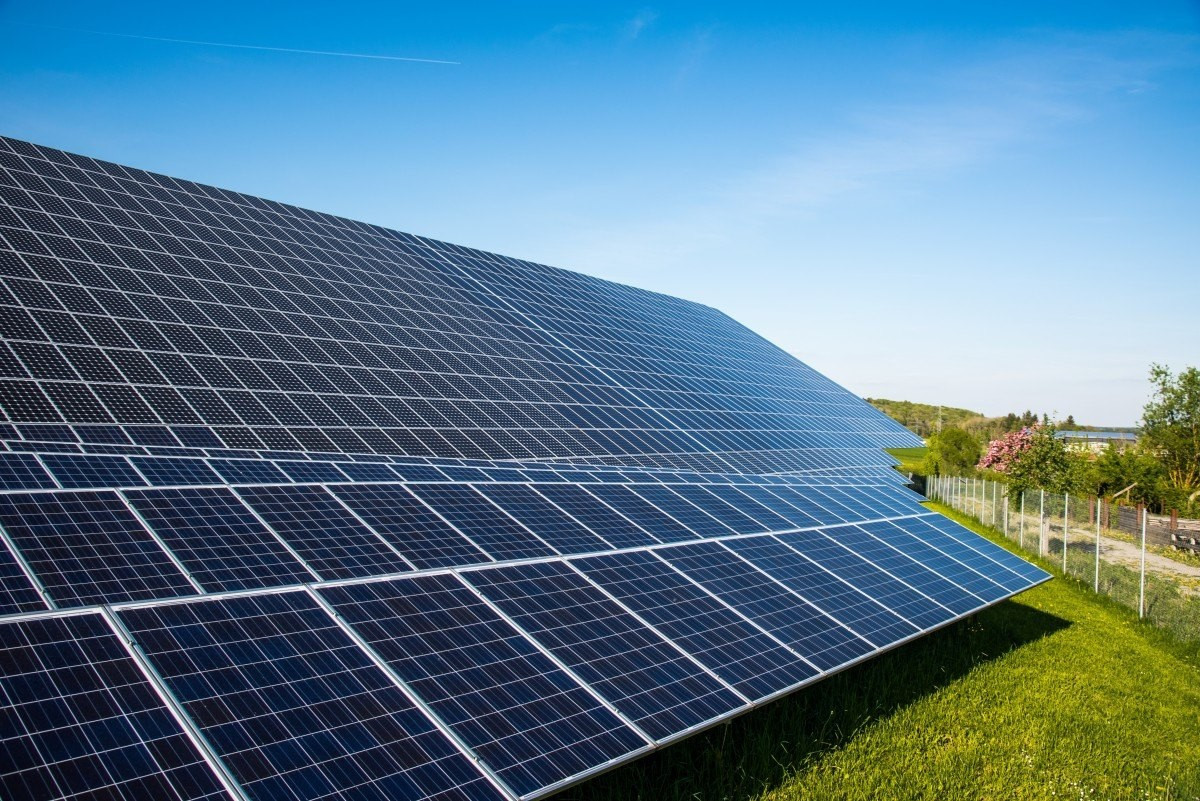
Amazon is accelerating its investment in renewable energy projects across Australia as it works to power its rapidly expanding data center operations, reflecting both the surging demand for cloud computing and artificial intelligence infrastructure and the increasing pressure on major tech firms to secure stable, cost-effective, and politically acceptable energy sources. The company’s strategy centers on large-scale solar and wind projects designed to offset the significant electricity consumption of its data centers, while also positioning itself as a leader in corporate sustainability efforts. This move underscores a broader industry shift in which hyperscale technology firms are effectively becoming energy players, locking in long-term power agreements to hedge against grid instability and regulatory uncertainty, while appealing to governments eager for private-sector investment in domestic energy capacity.
Sources
https://www.theepochtimes.com/world/amazon-accelerates-renewable-energy-investment-to-power-data-centres-in-australia-6012539
https://www.reuters.com/business/energy/amazon-expands-renewable-energy-australia-data-centers-2026-04-16/
https://www.bloomberg.com/news/articles/2026-04-16/amazon-boosts-renewables-to-support-australia-data-center-growth
Key Takeaways
- Amazon is scaling renewable energy investments to support the massive power demands of AI-driven data centers, signaling a deeper integration of tech and energy strategy.
- Long-term renewable energy contracts are being used to stabilize costs and mitigate risks tied to grid reliability and regulatory changes.
- The expansion highlights how global tech firms are influencing national energy infrastructure decisions while pursuing sustainability goals.
In-Depth
Amazon’s push into renewable energy development in Australia is less about environmental virtue signaling and more about securing control over a critical input: power. Data centers—especially those supporting artificial intelligence and cloud services—require enormous, uninterrupted energy supplies. Relying solely on public grids, which are increasingly strained and subject to political interference, is a strategic vulnerability. By investing directly in solar and wind capacity, Amazon is insulating itself from both price volatility and policy swings that can disrupt long-term planning.
This approach also aligns with a broader recalibration underway among major technology firms. Instead of simply purchasing energy from utilities, they are locking in power through direct agreements and even helping finance new generation projects. In practical terms, this means tech companies are shaping energy markets in ways once reserved for governments and traditional utilities. The implications are significant: private corporations are now influencing how and where energy infrastructure gets built, often prioritizing reliability and scalability over ideological debates about energy mixes.
At the same time, these investments carry a dual benefit. They allow companies like Amazon to present themselves as responsible corporate actors committed to emissions reductions, which helps maintain favorable relationships with regulators and policymakers. That positioning matters, especially in countries where public sentiment and government policy are increasingly tied to climate considerations.
Ultimately, this expansion reflects a pragmatic convergence of economics, technology, and politics. Reliable power is no longer just an operational necessity—it’s a competitive advantage. And in that environment, companies willing to invest aggressively in securing their own energy future are likely to come out ahead.