

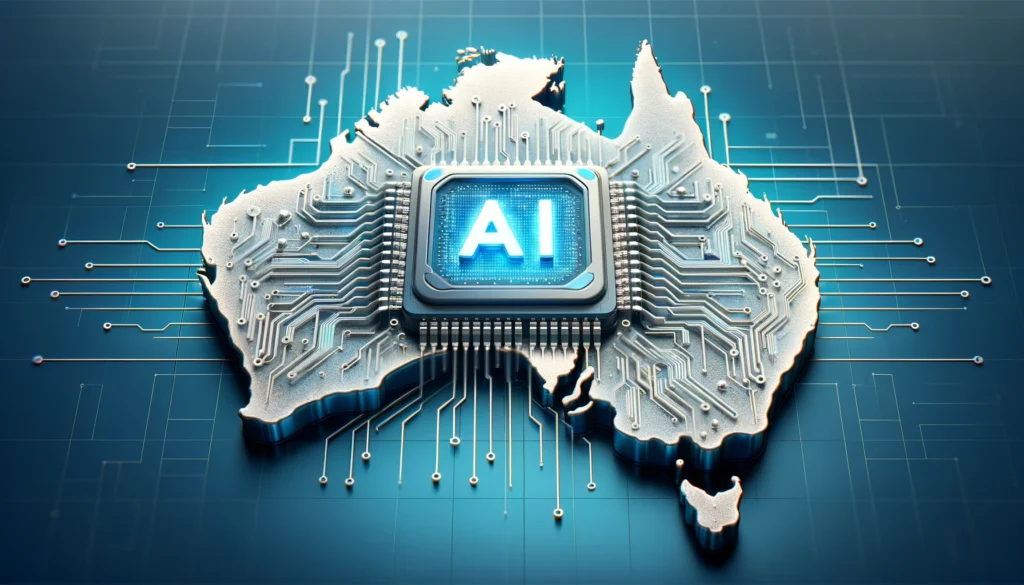
New South Wales is considering a sweeping change to its education system by eliminating unsupervised take-home assessment tasks in an effort to preserve academic integrity as artificial intelligence becomes increasingly embedded in student life. NSW Deputy Premier and Education Minister Prue Car has asked the NSW Education Standards Authority to urgently review assessment practices and consider a moratorium on take-home assignments while a broader examination of AI’s impact on education proceeds. The proposal stems from growing concern that generative AI is allowing students to bypass the critical thinking, analysis, and independent work that schools are intended to develop. Officials maintain that AI remains a valuable educational tool when used appropriately, but argue it should supplement—not replace—the learning process. If approved, interim changes could take effect as early as the beginning of the next school term.
Key Takeaways
- • New South Wales is considering banning unsupervised take-home assessments to reduce AI-assisted cheating and strengthen confidence in student achievement.
- • Education officials emphasize that artificial intelligence should support teaching and learning rather than replace independent reasoning, creativity, and critical thinking.
- • The proposed policy reflects a broader international debate over how schools should adapt assessment methods as generative AI rapidly changes the educational landscape.
In-Depth
The rapid adoption of generative artificial intelligence has forced educators worldwide to confront a difficult question: how can schools accurately measure what students know when sophisticated AI systems can complete many assignments in seconds? New South Wales appears poised to become one of the first major jurisdictions to significantly reshape its assessment model in response.
Rather than prohibiting AI outright, state officials are targeting the environment where misuse is believed to be most difficult to detect—unsupervised work completed outside the classroom. By shifting more assessments into controlled settings, policymakers hope grades will once again reflect a student’s own knowledge and analytical ability rather than the quality of an AI prompt.
From a conservative perspective, the proposal recognizes that technology should serve education instead of redefining it. Schools exist to cultivate discipline, reasoning, and mastery through effort. If students increasingly outsource those responsibilities to software, the educational credential itself risks losing credibility with universities, employers, and the public.
The debate is unlikely to end with a simple ban. Artificial intelligence has legitimate classroom applications, including tutoring, lesson preparation, and personalized learning support. The challenge for educators will be distinguishing between responsible assistance and substitution for genuine intellectual work. NSW’s review may ultimately become a model for other education systems seeking to preserve academic standards while adapting to technological change.
Sources
- https://www.theepochtimes.com/world/nsw-considers-banning-take-home-assessments-to-curb-ai-influence-in-schools-6073085
- https://education.nsw.gov.au/teaching-and-learning/education-for-a-changing-world/guidelines-regarding-use-of-generative-ai
- https://www.theguardian.com/australia-news/live/2026/aug/10/australia-news-live-transport-minister-sydney-airport-air-traffic-control-catherine-king-aukus-public-inquiry-malcolm-turnbull-alan-jones-trial-ntwnfb