

Close Menu

    Subscribe to Updates

    Get the latest creative news from FooBar about art, design and business.

    What's Hot

    AI Safety Researcher Resigns, Warns ‘World Is in Peril’ Amid Broader Industry Concerns

    February 15, 2026

    Amazon’s Eero Signal Introduces Cellular Backup for Home Internet Outages

    February 15, 2026

    Microsoft Warns Hackers Are Exploiting Critical Zero-Day Bugs Targeting Windows, Office Users

    February 15, 2026
    Facebook X (Twitter) Instagram
    • Tech
    • AI News
    • Get In Touch
    Facebook X (Twitter) LinkedIn
    TallwireTallwire
    • Tech

      Amazon’s Eero Signal Introduces Cellular Backup for Home Internet Outages

      February 15, 2026

      AI Safety Researcher Resigns, Warns ‘World Is in Peril’ Amid Broader Industry Concerns

      February 15, 2026

      OpenAI Disbands Mission Alignment Team Amid Internal Restructuring And Safety Concerns

      February 14, 2026

      Startup’s New Chip Tech Aims to Make Luxury Goods Harder to Fake

      February 14, 2026

      Microsoft Exchange Online’s Aggressive Filters Mistake Legitimate Emails for Phishing

      February 13, 2026
    • AI News

      Amazon’s Eero Signal Introduces Cellular Backup for Home Internet Outages

      February 15, 2026

      AI Safety Researcher Resigns, Warns ‘World Is in Peril’ Amid Broader Industry Concerns

      February 15, 2026

      Amazon Eyes Marketplace to Let Publishers Sell Content to AI Firms

      February 15, 2026

      OpenAI Disbands Mission Alignment Team Amid Internal Restructuring And Safety Concerns

      February 14, 2026

      Startup’s New Chip Tech Aims to Make Luxury Goods Harder to Fake

      February 14, 2026
    • Security

      AI Safety Researcher Resigns, Warns ‘World Is in Peril’ Amid Broader Industry Concerns

      February 15, 2026

      Microsoft Warns Hackers Are Exploiting Critical Zero-Day Bugs Targeting Windows, Office Users

      February 15, 2026

      Microsoft Exchange Online’s Aggressive Filters Mistake Legitimate Emails for Phishing

      February 13, 2026

      China’s Salt Typhoon Hackers Penetrate Norwegian Networks in Espionage Push

      February 12, 2026

      Reality Losing the Deepfake War as C2PA Labels Falter

      February 11, 2026
    • Health

      Amazon Pharmacy Rolls Out Same-Day Prescription Delivery To 4,500 U.S. Cities

      February 14, 2026

      AI Advances Aim to Bridge Labor Gaps in Rare Disease Treatment

      February 12, 2026

      Boeing and Israel’s Technion Forge Clean Fuel Partnership to Reduce Aviation Carbon Footprints

      February 11, 2026

      OpenAI’s Drug Royalties Model Draws Skepticism as Unworkable in Biotech Reality

      February 10, 2026

      New AI Health App From Fitbit Founders Aims To Transform Family Care

      February 9, 2026
    • Science

      XAI Publicly Unveils Elon Musk’s Interplanetary AI Vision In Rare All-Hands Release

      February 14, 2026

      Elon Musk Shifts SpaceX Priority From Mars Colonization to Building a Moon City

      February 14, 2026

      NASA Artemis II Spacesuit Mobility Concerns Ahead Of Historic Mission

      February 13, 2026

      AI Agents Build Their Own MMO Playground After Moltbook Ignites Agent-Only Web Communities

      February 12, 2026

      AI Advances Aim to Bridge Labor Gaps in Rare Disease Treatment

      February 12, 2026
    • People

      Google Co-Founder’s Epstein Contacts Reignite Scrutiny of Elite Tech Circles

      February 7, 2026

      Bill Gates Denies “Absolutely Absurd” Claims in Newly Released Epstein Files

      February 6, 2026

      Informant Claims Epstein Employed Personal Hacker With Zero-Day Skills

      February 5, 2026

      Starlink Becomes Critical Internet Lifeline Amid Iran Protest Crackdown

      January 25, 2026

      Musk Pledges to Open-Source X’s Recommendation Algorithm, Promising Transparency

      January 21, 2026
    TallwireTallwire
    Home»Tech»Google Quietly Continues Gathering Data from Retired Nest Thermostats Despite Cutting Off Their Smart Functions
    Tech

    Google Quietly Continues Gathering Data from Retired Nest Thermostats Despite Cutting Off Their Smart Functions

    4 Mins Read
    Facebook Twitter Pinterest LinkedIn Tumblr Email
    Google Quietly Continues Gathering Data from Retired Nest Thermostats Despite Cutting Off Their Smart Functions
    Google Quietly Continues Gathering Data from Retired Nest Thermostats Despite Cutting Off Their Smart Functions
    Share
    Facebook Twitter LinkedIn Pinterest Email

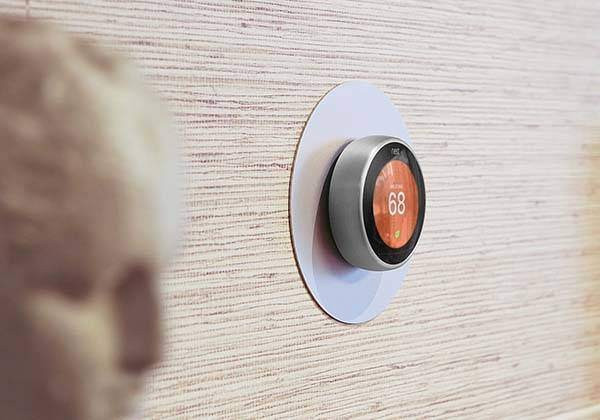
    Security researcher Cody Kociemba discovered that the first- and second-generation Nest Learning Thermostats (sold by Google) remain active data-transmitters even after Google severed remote-control features and ceased support. These units reportedly continue sending logs to Google covering manual temperature changes, motion/occupancy detection, ambient light, humidity and other sensor readings—even though users can no longer manage them from the app or receive software updates. Google maintains the transmissions are meant for diagnostics, but critics argue it’s effectively one-way data collection from hardware that the company no longer supports.

    Sources: Android Authority, NewsBytes

    Key Takeaways

    – Older Nest Learning Thermostat models are stripped of smart features and official support, yet continue streaming sensor and usage data to Google.

    – Google claims the data flow is for diagnostic purposes, but users cannot access remote controls, updates or support, raising concerns about value and consent.

    – The episode highlights broader worries about ownership and data-rights in the smart-home era: when a manufacturer abandons hardware, who controls the data pipeline?

    In-Depth

    In what many see as a troubling twist in the smart-home narrative, Google is facing scrutiny over its treatment of legacy smart-thermostats. The company’s first- and second-generation Nest Learning Thermostats—once heralded as a leap in home comfort and energy savings—have now entered a kind of limbo: they retain hardware capable of collecting detailed environmental and occupancy data, yet their connection to Google’s smart-home ecosystem has been progressively disabled. According to reporting by The Verge, the devices continue uploading information such as manual temperature adjustments, motion detection, sunlight exposure, ambient light, humidity and more to Google’s servers—even after Google disabled remote control functionality and ended software updates.

    Security researcher Cody Kociemba discovered the ongoing data feeds while participating in a right-to-repair bounty run by the advocacy group FULU. In devising an open-source project (“No Longer Evil”) to restore smart features to discontinued Nest units, Kociemba inadvertently exposed the fact that these devices remained connected to Google’s backend and steadily transmitting logs. “The logs are pretty extensive,” he told The Verge. He pointed out the irony: while users lost control and support, Google still collected data, yet could no longer assist users when devices fail.

    Android Authority backs this account, noting that Google’s own statement confirms that although remote support has ended, the thermostat units will “continue to report logs for issue diagnostics.” The disparity between the feature-set offered to consumers and the data retained by the vendor has drawn disquiet. Meanwhile NewsBytes also reported the story, stressing that users effectively lose smart-capabilities but remain data-generators.

    From a conservative perspective, the case underscores two broader concerns: first, the erosion of consumer control and transparency in the connected-device economy; second, the question of business incentives and data-privacy wrapping around legacy hardware. When a company abandons support for a product, ideally the user retains full ownership and control. Instead, Google appears to have quietly transformed legacy Nest units into persistent data-collection endpoints. For consumers who invested in these devices expecting long-term smart-home use, the arrangement may feel misleading: in effect, you own the shell but not the smart ecosystem or service.

    Moreover, this scenario raises regulatory and policy questions. If companies can pull support yet continue collecting sensor and usage data, what safeguards ensure that users consent to ongoing data flows, and what limits apply when the original value-proposition (remote control, smart scheduling, voice assistants) has been terminated? From the standpoint of property rights and consumer expectations, the outcome is open to challenge.

    In practical terms for homeowners: if you own one of the affected Nest thermostats, you may wish to disconnect it from WiFi or migrate to a supported model—especially if you object to data being shared without full smart-functionality. Google’s approach suggests that smart-home hardware should be viewed not just as a purchase, but as an ongoing service, and consumers should ask: what happens when support ends? This story offers a cautionary tale: the smart-home transition is not just about convenience and energy savings—it’s also about data, control and the long-term relationship with tech providers.

    Share. Facebook Twitter Pinterest LinkedIn Tumblr Email
    Previous ArticleGoogle Pushes Back On Claims It Used Gmail Threads To Train AI
    Next Article Google Removes AI Model After U.S. Senator Alleges Defamation

    Related Posts

    Amazon’s Eero Signal Introduces Cellular Backup for Home Internet Outages

    February 15, 2026

    AI Safety Researcher Resigns, Warns ‘World Is in Peril’ Amid Broader Industry Concerns

    February 15, 2026

    OpenAI Disbands Mission Alignment Team Amid Internal Restructuring And Safety Concerns

    February 14, 2026

    Startup’s New Chip Tech Aims to Make Luxury Goods Harder to Fake

    February 14, 2026
    Add A Comment
    Leave A Reply Cancel Reply

    Editors Picks

    Amazon’s Eero Signal Introduces Cellular Backup for Home Internet Outages

    February 15, 2026

    AI Safety Researcher Resigns, Warns ‘World Is in Peril’ Amid Broader Industry Concerns

    February 15, 2026

    OpenAI Disbands Mission Alignment Team Amid Internal Restructuring And Safety Concerns

    February 14, 2026

    Startup’s New Chip Tech Aims to Make Luxury Goods Harder to Fake

    February 14, 2026
    Top Reviews
    Tallwire
    Facebook X (Twitter) LinkedIn Threads Instagram RSS
    • Tech
    • Entertainment
    • Business
    • Government
    • Academia
    • Transportation
    • Legal
    • Press Kit
    © 2026 Tallwire. Optimized by ARMOUR Digital Marketing Agency.

    Type above and press Enter to search. Press Esc to cancel.