

Close Menu

    Subscribe to Updates

    Get the latest tech news from Tallwire.

      What's Hot

      Nvidia’s $500 Billion AI Financing Push Signals New Phase in Infrastructure Race

      August 16, 2026

      Social Media-Fueled Migration Crisis Intensifies Pressure at Spain’s Ceuta Border

      August 16, 2026

      White House Ends TikTok Ban on Government Devices

      August 15, 2026
      Facebook X (Twitter) Instagram
      • Tech
      • AI
      • Get In Touch
      Facebook X (Twitter) LinkedIn
      TallwireTallwire
      • Tech

        Social Media-Fueled Migration Crisis Intensifies Pressure at Spain’s Ceuta Border

        August 16, 2026

        French Publishers Seek Regulatory Action Over Google AI Search Summaries

        August 15, 2026

        Robocall Surge Continues as High-Impact Area Codes Face Persistent Spam Threat

        August 15, 2026

        AI Hyperscalers Drive Strategic Shift as Bitcoin Miners Capitalize on Power Infrastructure

        August 15, 2026

        FAA Recruitment Campaign Targets Gamers as Air Traffic Controller Hiring Surges

        August 15, 2026
      • AI

        Nvidia’s $500 Billion AI Financing Push Signals New Phase in Infrastructure Race

        August 16, 2026

        French Publishers Seek Regulatory Action Over Google AI Search Summaries

        August 15, 2026

        AI Hyperscalers Drive Strategic Shift as Bitcoin Miners Capitalize on Power Infrastructure

        August 15, 2026

        Anthropic Moves to Watermark Claude AI Content as Transparency Rules Tighten

        August 15, 2026

        Flock Camera Expansion Sparks Growing Revolt Over Mass Vehicle Surveillance

        August 14, 2026
      • Security

        White House Ends TikTok Ban on Government Devices

        August 15, 2026

        OpenAI Expands Cyber AI Access While Delaying Astra Over Safety Concerns

        August 14, 2026

        Experts Warn Rogue AI Cyber Incidents Raise Accountability Questions

        August 13, 2026

        California City Declares State of Emergency After Cyberattack Disrupts Critical Services

        August 13, 2026

        AI Chatbots Targeted by Russian Propaganda Campaign, Researchers Warn

        August 12, 2026
      • Health

        Jury Selection Begins in Landmark Youth Addiction Case Against Meta

        August 15, 2026

        AI and the Blurring of Reality Raise New Questions About Trust

        August 12, 2026

        California Lawmakers Push Limits on AI Therapy Chatbots

        August 11, 2026

        Federal Lawsuit Challenges Lack of Social Media Addiction Diagnosis

        August 11, 2026

        Meta Ordered to Pay $567 Million for Children’s Mental Health Fund

        August 10, 2026
      • Science

        Wave-Powered Offshore Data Centers Aim to Solve AI’s Growing Energy Crisis

        August 12, 2026

        AI and the Blurring of Reality Raise New Questions About Trust

        August 12, 2026

        Salt-Based Battery Breakthrough Aims to Reduce Dependence on China

        August 12, 2026

        Move 37 Still Defines the AI Revolution, a Decade Later

        August 12, 2026

        AI-Designed Viruses Spark New Biosecurity Debate

        August 10, 2026
      • Tech

        Three in Five Americans Favor Stronger Oversight of Social Media Companies

        August 11, 2026

        Larry Ellison’s High-Stakes AI Gamble Raises Questions About Oracle’s Future

        August 4, 2026

        AI Pioneer Urges Governments to Ensure Future AI Agents Are Intrinsically Good

        August 3, 2026

        Zuckerberg Urges Faster AI Development While Rejecting Centralized Control

        August 1, 2026

        Elon Musk Becomes The World’s First Former Trillionaire

        July 31, 2026
      TallwireTallwire
      Home»Government»Iran’s Shahed Drones Reshape Warfare And Raise Alarms For U.S. Military Planners
      Government

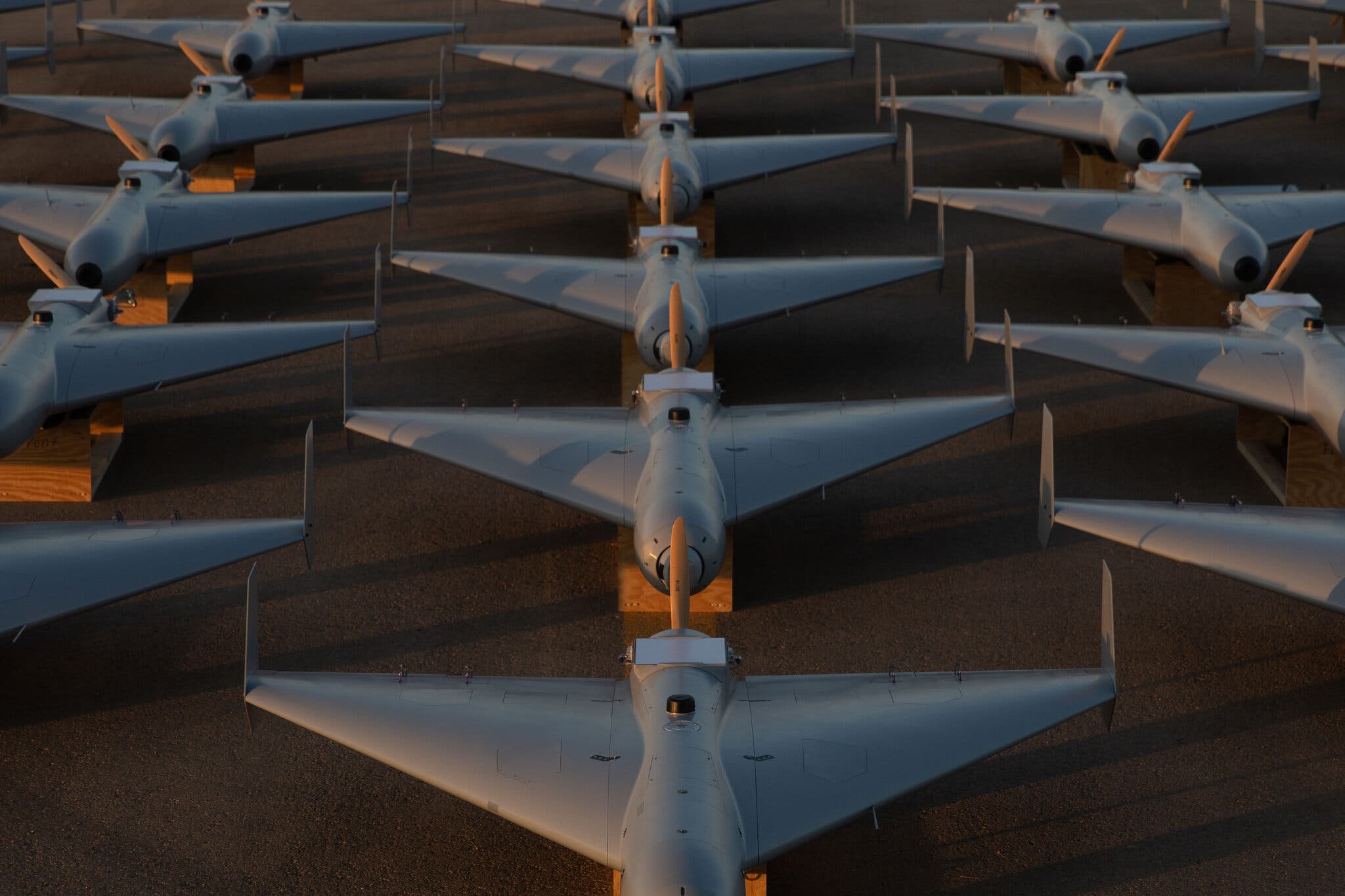
      Iran’s Shahed Drones Reshape Warfare And Raise Alarms For U.S. Military Planners

      Updated:March 21, 20264 Mins Read
      Facebook Twitter Pinterest LinkedIn Tumblr Email
      Share
      Facebook Twitter LinkedIn Pinterest Email

      Iran’s Shahed-series attack drones—cheap, expendable “one-way” unmanned aircraft designed to crash into targets—have emerged as one of the most consequential technological shifts in modern warfare, forcing U.S. military planners to rethink battlefield strategy after their extensive use by Russia in Ukraine and growing proliferation across the Middle East. Originally developed by Iran’s state-run aerospace sector, the Shahed-136 and related variants have proven effective because they combine long range, relatively simple guidance systems, and extremely low production costs, allowing operators to overwhelm sophisticated air defenses through sheer volume. Analysts note that thousands of these drones have been launched against Ukrainian cities and infrastructure, demonstrating how relatively inexpensive technology can inflict outsized strategic effects by draining the enemy’s expensive missile interceptors and forcing defenders to spread their resources thin. The spread of these systems—along with evidence that the United States and its allies are studying or reverse-engineering similar designs—illustrates a broader transformation in warfare, where mass-produced drones may increasingly replace costly precision weapons and reshape the balance between offense and defense on future battlefields.

      Sources

      https://www.flightglobal.com/military-uavs/us-deploys-iranian-derived-strike-drones-in-operation-epic-fury/166480.article
      https://asiatimes.com/2026/02/irans-drones-giving-russia-a-critical-edge-in-ukraine-war/
      https://www.csis.org/analysis/calculating-cost-effectiveness-russias-drone-strikes
      https://www.pbs.org/newshour/world/live-updates-u-s-and-israel-attack-iran

      Key Takeaways

      • Iranian-designed Shahed drones have demonstrated how inexpensive “kamikaze” drones can overwhelm sophisticated air defenses and alter the economics of modern warfare.
      • Russia’s extensive use of these drones in Ukraine—reportedly numbering in the tens of thousands—has highlighted their strategic value for long-range strikes against infrastructure and urban targets.
      • U.S. military planners and defense analysts are studying the implications of this technology, including reverse-engineering similar systems, as the proliferation of cheap drones becomes a defining feature of 21st-century conflict.

      In-Depth

      The emergence of Iran’s Shahed drone family represents a pivotal shift in how wars are fought in the modern era. Unlike traditional cruise missiles or advanced fighter aircraft, these unmanned systems are designed around a brutally simple concept: affordability and mass deployment. The Shahed-136, one of the most widely used variants, functions as a “loitering munition,” meaning it can travel long distances before diving into a target and detonating its warhead. This combination of long range and low cost makes it particularly attractive to governments and militias seeking asymmetric advantages over technologically superior adversaries.

      The war in Ukraine has provided the clearest demonstration of the drone’s strategic impact. Russia’s military began using Iranian-supplied Shahed drones early in the conflict, deploying them in large swarms against Ukrainian cities, energy infrastructure, and military positions. Analysts say the tactic works not because each drone is individually unstoppable but because their sheer numbers complicate defense. A single interceptor missile used by Western air-defense systems can cost hundreds of thousands of dollars, while a Shahed drone may cost only tens of thousands. This disparity creates a harsh economic imbalance: defenders may spend far more shooting down the drones than attackers spend launching them.

      Beyond Ukraine, the technology has broader implications for global security. Reports indicate that Russia has increasingly localized production of these drones, adapting the design to its own military needs and manufacturing them domestically. At the same time, other actors are studying the concept and incorporating similar systems into their arsenals. This growing proliferation raises concerns among Western defense planners that inexpensive drone swarms could threaten military bases, naval assets, and civilian infrastructure across multiple regions.

      The United States has already begun examining the lessons of these developments. Military analysts and engineers are exploring ways to counter drone swarms while also investigating the potential utility of low-cost strike drones themselves. In some cases, American forces have experimented with reverse-engineered versions inspired by the Shahed design, reflecting a pragmatic recognition that the economics of warfare are changing.

      Taken together, the rise of Shahed-style drones underscores a deeper transformation underway in modern conflict. Where previous generations of warfare relied heavily on expensive, high-precision weapons systems, the emerging model emphasizes quantity, adaptability, and cost efficiency. In practical terms, this means that even technologically advanced militaries must adapt to a world where relatively cheap unmanned systems can shape the battlefield—and where the ability to produce and counter drones at scale may become as decisive as traditional military power.

      Manufacturing Series A
      Share. Facebook Twitter Pinterest LinkedIn Tumblr Email
      Previous ArticleParents Confront Rising AI Risks On Social Media As Child Safety Debate Intensifies
      Next Article AI Comes Home: Tech Giants Race To Transform Smart Houses With Conversational Assistants

      Related Posts

      Social Media-Fueled Migration Crisis Intensifies Pressure at Spain’s Ceuta Border

      August 16, 2026

      Nvidia’s $500 Billion AI Financing Push Signals New Phase in Infrastructure Race

      August 16, 2026

      White House Ends TikTok Ban on Government Devices

      August 15, 2026

      Jury Selection Begins in Landmark Youth Addiction Case Against Meta

      August 15, 2026
      Add A Comment
      Leave A Reply Cancel Reply

      Editors Picks

      Social Media-Fueled Migration Crisis Intensifies Pressure at Spain’s Ceuta Border

      August 16, 2026

      French Publishers Seek Regulatory Action Over Google AI Search Summaries

      August 15, 2026

      Robocall Surge Continues as High-Impact Area Codes Face Persistent Spam Threat

      August 15, 2026

      AI Hyperscalers Drive Strategic Shift as Bitcoin Miners Capitalize on Power Infrastructure

      August 15, 2026
      Popular Topics
      UAE Tech Space Sundar Pichai Stocks Tesla Series A Taiwan Tech Series B Satellite Viral spotlight SpaceX Satya Nadella Tim Cook Startup starlink trending Samsung Tesla Cybertruck Software
      Major Tech Companies
      • Apple News
      • Google News
      • Meta News
      • Microsoft News
      • Amazon News
      • Samsung News
      • Nvidia News
      • OpenAI News
      • Tesla News
      • AMD News
      • Anthropic News
      • Elbit News
      AI & Emerging Tech
      • AI Regulation News
      • AI Safety News
      • AI Adoption
      • Quantum Computing News
      • Robotics News
      Key People
      • Sam Altman News
      • Jensen Huang News
      • Elon Musk News
      • Mark Zuckerberg News
      • Sundar Pichai News
      • Tim Cook News
      • Satya Nadella News
      • Mustafa Suleyman News
      Global Tech & Policy
      • Israel Tech News
      • India Tech News
      • Taiwan Tech News
      • UAE Tech News
      Startups & Emerging Tech
      • Series A News
      • Series B News
      • Startup News
      Tallwire
      Facebook X (Twitter) LinkedIn Threads Instagram RSS
      • Tech
      • Entertainment
      • Business
      • Government
      • Academia
      • Transportation
      • Legal
      • Press Kit
      © 2026 Tallwire. Optimized by ARMOUR Digital Marketing Agency.

      Type above and press Enter to search. Press Esc to cancel.