

Close Menu

    Subscribe to Updates

    Get the latest creative news from FooBar about art, design and business.

    What's Hot

    Airbnb Shifts One-Third Of Customer Support To AI In North America

    February 17, 2026

    Meta Plans Facial Recognition for Smart Glasses Amid Privacy Pushback

    February 17, 2026

    Spotify Developers Haven’t Written Code Since December Thanks to AI Transformation

    February 16, 2026
    Facebook X (Twitter) Instagram
    • Tech
    • AI News
    • Get In Touch
    Facebook X (Twitter) LinkedIn
    TallwireTallwire
    • Tech

      Meta Plans Facial Recognition for Smart Glasses Amid Privacy Pushback

      February 17, 2026

      Spotify Developers Haven’t Written Code Since December Thanks to AI Transformation

      February 16, 2026

      Waymo Goes Fully Autonomous in Nashville, Tennessee

      February 16, 2026

      Roku Plans Streaming Bundles Push to Boost Profitability in 2026

      February 15, 2026

      Russia Officially Blocks WhatsApp After Telegram Crackdown

      February 15, 2026
    • AI News

      Meta Plans Facial Recognition for Smart Glasses Amid Privacy Pushback

      February 17, 2026

      Airbnb Shifts One-Third Of Customer Support To AI In North America

      February 17, 2026

      Spotify Developers Haven’t Written Code Since December Thanks to AI Transformation

      February 16, 2026

      Australia Puts Roblox on Notice Amid Reports of Child Grooming and Harmful Content

      February 16, 2026

      UK Kids Turning to AI Chatbots and Acting on Advice at Alarming Rates

      February 16, 2026
    • Security

      US Lawmakers Urge Tighter Export Controls to Curb China’s Access to Chipmaking Equipment

      February 16, 2026

      Senator Raises Questions On eSafety Crackdown And Potential Strain On US-Australia Relationship

      February 16, 2026

      AI Safety Researcher Resigns, Warns ‘World Is in Peril’ Amid Broader Industry Concerns

      February 15, 2026

      Microsoft Warns Hackers Are Exploiting Critical Zero-Day Bugs Targeting Windows, Office Users

      February 15, 2026

      Microsoft Exchange Online’s Aggressive Filters Mistake Legitimate Emails for Phishing

      February 13, 2026
    • Health

      UK Kids Turning to AI Chatbots and Acting on Advice at Alarming Rates

      February 16, 2026

      Landmark California Trial Sees YouTube Defend Itself, Rejects ‘Social Media’ and Addiction Claims

      February 16, 2026

      Instagram Top Executive Says ‘Addiction’ Doesn’t Exist in Landmark Social Media Trial

      February 15, 2026

      Amazon Pharmacy Rolls Out Same-Day Prescription Delivery To 4,500 U.S. Cities

      February 14, 2026

      AI Advances Aim to Bridge Labor Gaps in Rare Disease Treatment

      February 12, 2026
    • Science

      XAI Publicly Unveils Elon Musk’s Interplanetary AI Vision In Rare All-Hands Release

      February 14, 2026

      Elon Musk Shifts SpaceX Priority From Mars Colonization to Building a Moon City

      February 14, 2026

      NASA Artemis II Spacesuit Mobility Concerns Ahead Of Historic Mission

      February 13, 2026

      AI Agents Build Their Own MMO Playground After Moltbook Ignites Agent-Only Web Communities

      February 12, 2026

      AI Advances Aim to Bridge Labor Gaps in Rare Disease Treatment

      February 12, 2026
    • People

      Google Co-Founder’s Epstein Contacts Reignite Scrutiny of Elite Tech Circles

      February 7, 2026

      Bill Gates Denies “Absolutely Absurd” Claims in Newly Released Epstein Files

      February 6, 2026

      Informant Claims Epstein Employed Personal Hacker With Zero-Day Skills

      February 5, 2026

      Starlink Becomes Critical Internet Lifeline Amid Iran Protest Crackdown

      January 25, 2026

      Musk Pledges to Open-Source X’s Recommendation Algorithm, Promising Transparency

      January 21, 2026
    TallwireTallwire
    Home»Tech»JPMorgan Attempts to End Obligation to Pay $115 Million in Legal Fees for Startup Founder
    Tech

    JPMorgan Attempts to End Obligation to Pay $115 Million in Legal Fees for Startup Founder

    4 Mins Read
    Facebook Twitter Pinterest LinkedIn Tumblr Email
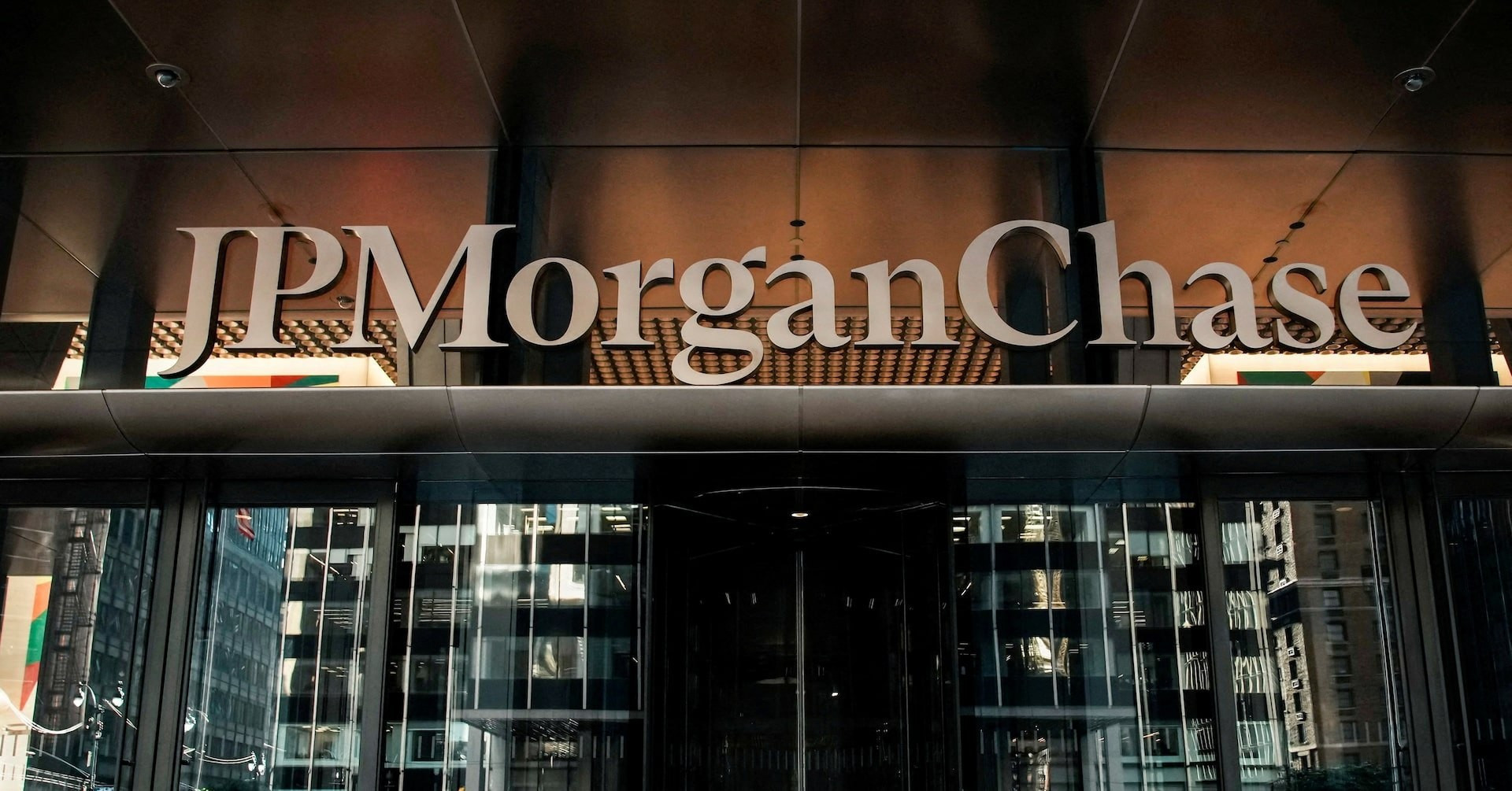
    JPMorgan Attempts to End Obligation to Pay $115 Million in Legal Fees for Startup Founder
    JPMorgan Attempts to End Obligation to Pay $115 Million in Legal Fees for Startup Founder
    Share
    Facebook Twitter LinkedIn Pinterest Email

    In a high-stakes showdown between JPMorgan Chase & Co. and former startup founder Charlie Javice, the bank is seeking to nullify a deal provision that has required it to cover the cost of Javice’s legal defense—costs now totaling more than $115 million for her and co-defendant Olivier Amar. Under the terms of JPMorgan’s 2021 acquisition of Javice’s business Frank (Company), Javice became an employee and the contract required indemnification for legal fees, even as she and Amar were later convicted for fraud involving the misstatement of Frank’s user-base size. JPMorgan argues the expense is “patently excessive and egregious,” citing hotel upgrades, overlapping law firm hires, and use of the payout as a “blank check”; the bank now claims irreparable harm if obligated to continue paying. Javice counters that the bank knew its deal exposed it and is acting hypocritically. The dispute highlights the legal and reputational risks for acquirers in tech and startup deals where indemnification provisions may backfire.

    Sources: AP News, Business Insider

    Key Takeaways

    – The indemnification clause in JPMorgan’s acquisition of Frank is now forcing the bank to cover defense costs for a convicted fraud case, underscoring how acquisition contract risks can become nightmare liabilities.

    – JPMorgan claims the legal costs—over $115 million to date—are wildly disproportionate, citing multiple law firms, overlapping work, lavish expenses and misuse of the indemnity as a cash-cushion.

    – This case serves as a cautionary tale for both acquirers and founders: acquirers must rigorously vet indemnity triggers and founders must understand that indemnification can lead to unexpected obligations even after a deal closes.

    In-Depth

    In what is shaping up to be a landmark dispute in the acquisition and indemnification arena, JPMorgan Chase is attempting to claw back its contractual obligation to pay the legal defense costs of Charlie Javice and Olivier Amar—two individuals convicted of orchestrating a fraud scheme against the bank in connection with its $175 million purchase of Frank in 2021. Under that transaction’s terms, the bank acquired Frank (a student-financial-aid-startup founded by Javice), and upon closing, Javice was installed as an employee of JPMorgan. It was in that employment/acquisition pact that a legal-fee indemnity clause was built in, obligating JPMorgan to fund the defense of the founder and certain executives in connection with legal claims related to the business. Nearly four years later, that clause is proving to be a massive liability.

    Javice and Amar were found guilty of wire fraud, bank fraud, securities fraud and conspiracy, for fabricating roughly 4 million purported users of Frank when the real number was closer to 300,000—thereby misleading JPMorgan into overpaying for the company. Despite the conviction, the indemnity clause has required JPMorgan to advance defense costs across multiple law firms, amounting to roughly $60.1 million for Javice and $55.2 million for Amar, for a total exceeding $115 million. JPMorgan’s filings in Delaware’s Chancery Court characterize these expenditures as “patently excessive and egregious,” pointing to bills that include hotel upgrades, multiple simultaneous law firms, duplicate document reviews, and legal staffing overlaps. The bank argues the arrangement is unsustainable, contending that the indemnity has been treated by Javice’s defense team as a “blank check” to generate large bills irrespective of necessity.

    From a conservative business-lens perspective, the situation illustrates several critical lessons: First, indemnification clauses must be crafted with robust protections—caps, clawback rights, triggers, and oversight mechanisms—especially when acquiring early-stage, high-growth ventures where metrics are less transparent. Second, due diligence cannot stop at surface metrics; in this case, JPMorgan later discovered that marketing email responses and user-engagement data undermined the claimed scale of Frank’s user base. Third, board-level governance and audit mechanisms must be vigilant: you cannot outsource due diligence completely to founders and assume indemnities will protect you post-deal. For the founders’ side, the case is also a wake-up call: despite being convicted and facing prison time, the legal costs tied to the indemnity still flowed—though now contested—raising questions about how far a founder’s protections extend after closing.

    JPMorgan’s move to terminate the obligation is also a strategic reputational play. The bank wants to signal that it will not passively absorb unlimited legal risk tied to acquisitions, especially when wrongful conduct is found. Meanwhile, plaintiffs’ lawyers and boardrooms will be watching this case as it may reshape how indemnities are negotiated in M&A deals going forward. A firm that has to pay seven-figure legal bills for a founder convicted of defrauding it invites scrutiny from investors, regulators and the broader market. On the flip side, for founders, the key takeaway is clear: Accepting indemnities without appreciating the downstream exposure—even if you believe you’ll never need them—can lead to unanticipated obligations that outlast the initial celebration of being acquired. The lower-risk, higher-governance path may be less flashy, but deals without hidden exposures age better and expose fewer contingencies down the road.

    Share. Facebook Twitter Pinterest LinkedIn Tumblr Email
    Previous ArticleJoby Aviation Alleges “Corporate Espionage” by Archer in High-Stakes eVTOL Rivalry
    Next Article Jury-System Bug Exposed Sensitive Juror Data Across Multiple U.S. States

    Related Posts

    Meta Plans Facial Recognition for Smart Glasses Amid Privacy Pushback

    February 17, 2026

    Spotify Developers Haven’t Written Code Since December Thanks to AI Transformation

    February 16, 2026

    Waymo Goes Fully Autonomous in Nashville, Tennessee

    February 16, 2026

    Roku Plans Streaming Bundles Push to Boost Profitability in 2026

    February 15, 2026
    Add A Comment
    Leave A Reply Cancel Reply

    Editors Picks

    Meta Plans Facial Recognition for Smart Glasses Amid Privacy Pushback

    February 17, 2026

    Spotify Developers Haven’t Written Code Since December Thanks to AI Transformation

    February 16, 2026

    Waymo Goes Fully Autonomous in Nashville, Tennessee

    February 16, 2026

    Roku Plans Streaming Bundles Push to Boost Profitability in 2026

    February 15, 2026
    Top Reviews
    Tallwire
    Facebook X (Twitter) LinkedIn Threads Instagram RSS
    • Tech
    • Entertainment
    • Business
    • Government
    • Academia
    • Transportation
    • Legal
    • Press Kit
    © 2026 Tallwire. Optimized by ARMOUR Digital Marketing Agency.

    Type above and press Enter to search. Press Esc to cancel.