

Close Menu

    Subscribe to Updates

    Get the latest creative news from FooBar about art, design and business.

    What's Hot

    Google’s Compliance With ICE Data Request Sparks Privacy Concerns

    February 14, 2026

    XAI Publicly Unveils Elon Musk’s Interplanetary AI Vision In Rare All-Hands Release

    February 14, 2026

    Elon Musk Shifts SpaceX Priority From Mars Colonization to Building a Moon City

    February 14, 2026
    Facebook X (Twitter) Instagram
    • Tech
    • AI News
    • Get In Touch
    Facebook X (Twitter) LinkedIn
    TallwireTallwire
    • Tech

      Microsoft Exchange Online’s Aggressive Filters Mistake Legitimate Emails for Phishing

      February 13, 2026

      Hobbyist Finds $500 Worth Of RAM In Landfill As Memory Shortages Bite Hardware Market

      February 13, 2026

      Intel Quietly Pulls Plug on Controversial Pay-to-Unlock CPU Feature Model

      February 13, 2026

      Toyota Announces Open-Source “Console-Grade” Game Engine For Vehicle Systems And Beyond

      February 13, 2026

      Snapchat Rolls Out Expanded Arrival Notifications Beyond Home

      February 13, 2026
    • AI News

      XAI Publicly Unveils Elon Musk’s Interplanetary AI Vision In Rare All-Hands Release

      February 14, 2026

      OpenAI Begins Testing Ads in ChatGPT’s Free and Low-Cost Tiers as Industry Monetization Shift

      February 14, 2026

      Discord to Mandate Global Age Verification With Face Scans and IDs in March 2026

      February 13, 2026

      Hobbyist Finds $500 Worth Of RAM In Landfill As Memory Shortages Bite Hardware Market

      February 13, 2026

      Chinese Firms Expand Chip Production As Global Memory Shortage Deepens

      February 12, 2026
    • Security

      Microsoft Exchange Online’s Aggressive Filters Mistake Legitimate Emails for Phishing

      February 13, 2026

      China’s Salt Typhoon Hackers Penetrate Norwegian Networks in Espionage Push

      February 12, 2026

      Reality Losing the Deepfake War as C2PA Labels Falter

      February 11, 2026

      Global Android Security Alert: Over One Billion Devices Vulnerable to Malware and Spyware Risks

      February 11, 2026

      Small Water Systems Face Rising Cyber Threats As Experts Warn National Security Risk

      February 9, 2026
    • Health

      AI Advances Aim to Bridge Labor Gaps in Rare Disease Treatment

      February 12, 2026

      Boeing and Israel’s Technion Forge Clean Fuel Partnership to Reduce Aviation Carbon Footprints

      February 11, 2026

      OpenAI’s Drug Royalties Model Draws Skepticism as Unworkable in Biotech Reality

      February 10, 2026

      New AI Health App From Fitbit Founders Aims To Transform Family Care

      February 9, 2026

      Startups Deploy Underwater Robots to Radically Expand Ocean Tracking Capabilities

      February 9, 2026
    • Science

      XAI Publicly Unveils Elon Musk’s Interplanetary AI Vision In Rare All-Hands Release

      February 14, 2026

      Elon Musk Shifts SpaceX Priority From Mars Colonization to Building a Moon City

      February 14, 2026

      NASA Artemis II Spacesuit Mobility Concerns Ahead Of Historic Mission

      February 13, 2026

      AI Agents Build Their Own MMO Playground After Moltbook Ignites Agent-Only Web Communities

      February 12, 2026

      AI Advances Aim to Bridge Labor Gaps in Rare Disease Treatment

      February 12, 2026
    • People

      Google Co-Founder’s Epstein Contacts Reignite Scrutiny of Elite Tech Circles

      February 7, 2026

      Bill Gates Denies “Absolutely Absurd” Claims in Newly Released Epstein Files

      February 6, 2026

      Informant Claims Epstein Employed Personal Hacker With Zero-Day Skills

      February 5, 2026

      Starlink Becomes Critical Internet Lifeline Amid Iran Protest Crackdown

      January 25, 2026

      Musk Pledges to Open-Source X’s Recommendation Algorithm, Promising Transparency

      January 21, 2026
    TallwireTallwire
    Home»Tech»Leak Confirms OpenAI Plans Ads In ChatGPT
    Tech

    Leak Confirms OpenAI Plans Ads In ChatGPT

    3 Mins Read
    Facebook Twitter Pinterest LinkedIn Tumblr Email
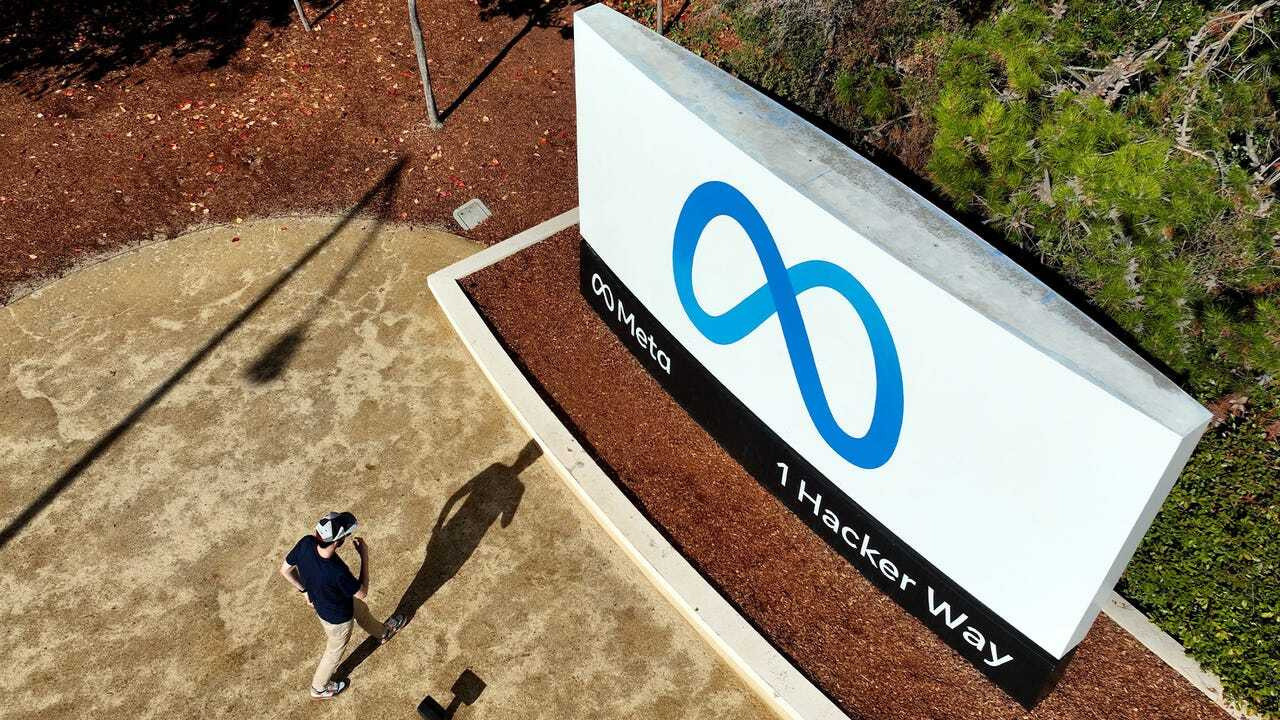
    Meta Freezes AI Hiring, Restructures Superintelligence Lab Amid Cost Concerns
    Meta Freezes AI Hiring, Restructures Superintelligence Lab Amid Cost Concerns
    Share
    Facebook Twitter LinkedIn Pinterest Email

    A recent leak suggests OpenAI is preparing to introduce advertisements to ChatGPT, drawing strong reactions on social-media and developer forums. According to the widely discussed post on a tech-news aggregator, the move is seen by many as a fundamental shift — transforming ChatGPT from a tool driven by user trust and technological novelty into a standard ad-supported platform. One Reddit discussion characterized the decision as “the inevitability of LLMs,” warning that AI could follow the path of social media toward what some call “enshittification.” Separately, concerns have also risen around phishing attacks impersonating Y Combinator via fake GitHub notifications — a clear illustration of how bad actors exploit widespread trust in tech brands. The juxtaposition of these trends amplifies worries about commercialization and erosion of user control in AI tools.

    Sources: YCombinator, Reddit

    Key Takeaways

    – The leak indicates OpenAI plans to roll out ad support in ChatGPT, sparking concerns about user experience and corporate motives.

    – Many users fear that inserting ads into AI output could degrade trust and push people toward alternative or local-run models.

    – In parallel, phishing campaigns targeting developers highlight broader risks tied to misuse of brand trust in major tech platforms.

    In-Depth

    The planned ad push by OpenAI represents what could be a turning point in how large language models are monetized. For years, ChatGPT enjoyed a perception as a cutting-edge, low-friction tool — a free (or subscription-lite) environment where users got honest-to-God value. By introducing ads, OpenAI would be signaling a departure from that model and returning to the same ad-supported approach that’s dominated social media and mainstream internet services. For many, that signals a loss of purity: what was once a trusted assistant or research tool might end up as just another attention-grabber cloaked in “helpful answers.” Posts from developers and long-time users express worry that this pivot will “turn up the dial” over time, subtly increasing ad load or integrating promotional content directly into AI responses — all while conditioning users to accept it.

    That’s not merely theoretical. The same ecosystem that powers AI — open collaboration platforms, massive user bases, fast-moving growth — is also vulnerable to abuse. As recently uncovered, attackers have exploited the reputation of Y Combinator by spoofing GitHub notifications, trying to trick developers into giving up crypto-wallet access or sending deposits in hope of “startup funding.” These phishing attacks rely squarely on assumed legitimacy. When platforms like GitHub or entities like Y Combinator are widely trusted, even subtle impersonations or seemingly official notifications can trick otherwise savvy users. In an AI world saturated with monetization drives, such bad-actor exploitation becomes more probable.

    Combined, the ad push and the cyber-threats point toward a broader shift in the AI industry: from an era of innovation and openness toward one dominated by monetization, brand leverage, and potential exploitation. For users who value privacy, control, and clarity, this signals a clear time to reconsider — to vet communications carefully, to question the motives behind “free” tools, and perhaps to explore alternatives (e.g., open-source or locally hosted AI models) before ad disruption and phishing threats become the new normal.

    Share. Facebook Twitter Pinterest LinkedIn Tumblr Email
    Previous ArticleLawsuit Alleges ChatGPT Played Role In Connecticut Murder-Suicide
    Next Article Leaked Documents Reveal OpenAI Paid Microsoft Corporation Nearly $494 Million in 2024

    Related Posts

    Microsoft Exchange Online’s Aggressive Filters Mistake Legitimate Emails for Phishing

    February 13, 2026

    Hobbyist Finds $500 Worth Of RAM In Landfill As Memory Shortages Bite Hardware Market

    February 13, 2026

    Intel Quietly Pulls Plug on Controversial Pay-to-Unlock CPU Feature Model

    February 13, 2026

    Snapchat Rolls Out Expanded Arrival Notifications Beyond Home

    February 13, 2026
    Add A Comment
    Leave A Reply Cancel Reply

    Editors Picks

    Microsoft Exchange Online’s Aggressive Filters Mistake Legitimate Emails for Phishing

    February 13, 2026

    Hobbyist Finds $500 Worth Of RAM In Landfill As Memory Shortages Bite Hardware Market

    February 13, 2026

    Intel Quietly Pulls Plug on Controversial Pay-to-Unlock CPU Feature Model

    February 13, 2026

    Toyota Announces Open-Source “Console-Grade” Game Engine For Vehicle Systems And Beyond

    February 13, 2026
    Top Reviews
    Tallwire
    Facebook X (Twitter) LinkedIn Threads Instagram RSS
    • Tech
    • Entertainment
    • Business
    • Government
    • Academia
    • Transportation
    • Legal
    • Press Kit
    © 2026 Tallwire. Optimized by ARMOUR Digital Marketing Agency.

    Type above and press Enter to search. Press Esc to cancel.