

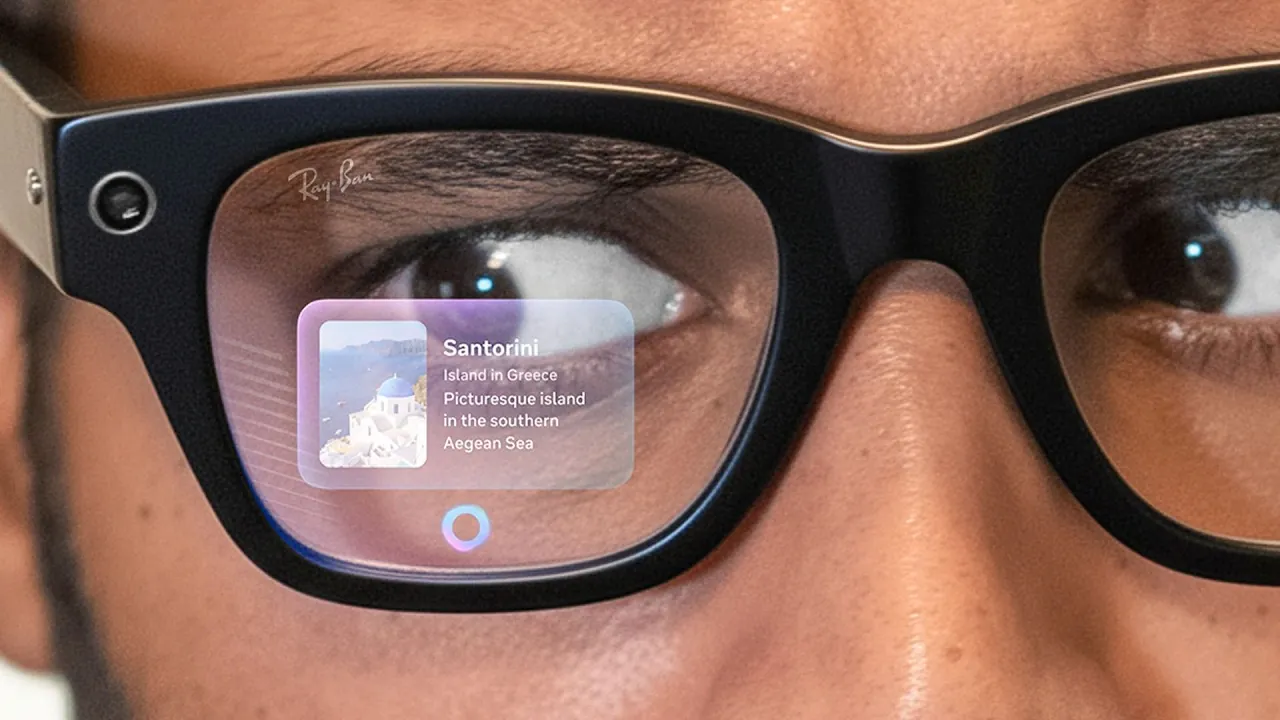
Norway is moving toward a temporary ban on AI-enabled smart glasses in selected public and privacy-sensitive locations as governments confront the surveillance implications of increasingly inconspicuous wearable technology. The proposal could restrict smart glasses in parks, beaches, museums, shopping centers, public events, schools, playgrounds, youth clubs, healthcare facilities, swimming pools and gyms with changing areas, where officials fear people could be photographed, filmed or audio-recorded without realizing it. The government emphasizes that it is not pursuing a blanket prohibition: private use and circumstances in which others are not exposed to nonconsensual recording would remain permitted, while exceptions could protect socially beneficial applications for vulnerable users. An expert group will study permanent national regulations as international resistance grows, including restrictions imposed by schools, cinemas and businesses. The controversy exposes a fundamental technological problem: smart glasses can transform ordinary eyewear into a persistent surveillance device while leaving bystanders with little practical ability to know whether they are being recorded.
Key Takeaways
- Norway plans temporary restrictions on AI-enabled smart glasses in locations ranging from schools and healthcare facilities to parks, beaches, shopping centers and public events, primarily because users can discreetly capture images, video and audio.
- The government is explicitly rejecting a total prohibition, leaving room for private and socially beneficial uses while an expert panel considers permanent rules governing smart glasses and other body-worn recording technology.
- Norway’s proposal reflects broader international unease as smart glasses become increasingly capable and inconspicuous, forcing policymakers to balance technological innovation against consent, individual privacy and protection from covert surveillance.
In-Depth
Norway’s proposed temporary restrictions on AI-powered smart glasses highlight a problem free societies cannot ignore: technology increasingly allows ordinary citizens to become walking surveillance platforms. Camera- and microphone-equipped glasses can photograph, film and record people without the obvious cues associated with smartphones, creating legitimate concerns about consent and privacy.
The Norwegian government is considering restrictions in parks, beaches, museums, shopping centers, public events, schools, playgrounds, youth clubs, healthcare facilities and gyms. Officials stress that this is not intended as a blanket prohibition. Private use would remain possible, and exceptions could be created for socially beneficial uses, including assistance for vulnerable people. An expert group would meanwhile examine permanent national rules.
That distinction matters. Conservatives should be wary of governments reflexively banning emerging technologies merely because they create unfamiliar risks. Smart glasses have legitimate applications, and innovation should not require advance permission from the state. Yet individual liberty also includes the ability to enter sensitive environments without becoming an unwitting subject in someone else’s permanent digital archive.
The better approach is narrow, behavior-focused regulation rather than sweeping technological prohibition. Covert recording in changing rooms, medical settings, schools and similarly sensitive locations can justify firm restrictions, while ordinary ownership and responsible use should remain lawful.
Norway’s debate foreshadows an argument every technologically advanced country will face. As wearable AI becomes smaller and less conspicuous, the traditional boundary between public observation and persistent digital surveillance will erode. Protecting innovation while preserving meaningful personal privacy will require laws aimed at abusive conduct, not technology itself.
Sources
- https://www.washingtontimes.com/news/2026/oct/5/norway-seeks-temporary-ban-smart-glasses-privacy-concerns-come/
- https://www.regjeringen.no/no/aktuelt/vil-innfore-midlertidig-forbud-mot-ki-briller/id3175516/
- https://www.reuters.com/technology/norway-propose-temporary-ban-ai-glasses-some-public-places-2026-10-05/
- https://apnews.com/article/norway-ai-glasses-ban-be20dbd949ce058023864b66219f9c2b
- https://www.stortinget.no/no/Saker-og-publikasjoner/Sporsmal/Skriftlige-sporsmal-og-svar/Skriftlig-sporsmal/?qnid=125578