

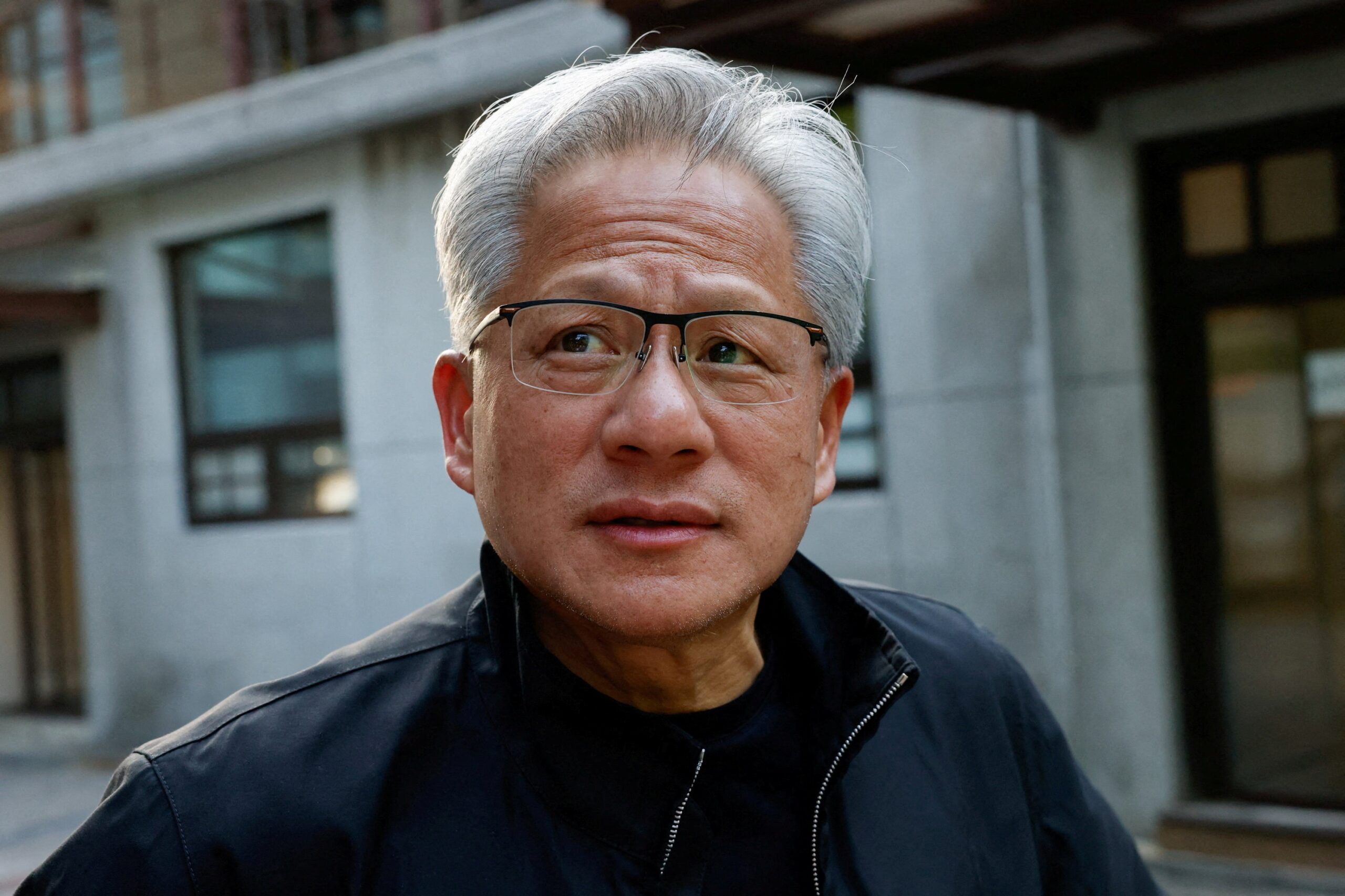
- Nvidia has launched an independent investigation following intelligence reports that CEO Jensen Huang was targeted by a suspected Chinese espionage operation.
- U.S. intelligence officials reportedly suspect Chinese businesswoman Alice Huang, who had a personal relationship with the CEO, of gathering information for Beijing.
- Republican congressional leaders are demanding answers about potential national security vulnerabilities and China’s access to sensitive American artificial intelligence technology.
Nvidia has opened an independent investigation following reports that CEO Jensen Huang was targeted by a Chinese intelligence operation. U.S. intelligence officials reportedly suspect Alice Huang, a Chinese businesswoman and former executive at Singapore-based data center company Megaspeed, of collecting information for Beijing. Jensen Huang acknowledged having an extramarital relationship with her and apologized to his family, employees and shareholders. The two are not related.
The company said independent directors and outside counsel will lead the review, emphasizing that it has no reason to believe national security or proprietary information was compromised. Huang has pledged cooperation and will remain CEO. The allegations have also prompted congressional scrutiny. Three Republican House committee chairs requested a closed-door briefing on Nov. 18 about Huang’s interactions and Nvidia’s security safeguards. The inquiry comes amid concerns that China’s intelligence services are seeking access to advanced American artificial intelligence chips and the people responsible for producing them.
Why It Matters
The allegations expose a serious vulnerability in America’s technological competition with China: Corporate leaders can become intelligence targets even when their companies maintain sophisticated security systems. Nvidia designs processors essential to advanced artificial intelligence, making its executives, customers and international business relationships attractive sources of information for foreign governments. Personal relationships can create opportunities for influence, access and compromised judgment, whether or not classified information changes hands.
Congress has a legitimate responsibility to determine whether Nvidia’s protections were adequate and whether export restrictions were respected. That oversight should be rigorous without treating allegations as proof of espionage or corporate misconduct. Nvidia says it has found no reason to believe secrets were compromised, and its independent investigation must establish the facts. Protecting American technological leadership requires more than limiting semiconductor shipments. It also demands executive accountability, effective, consistent domestic counterintelligence safeguards and clear boundaries between commercial ambition and national security obligations.
Sources
- https://www.gbnews.com/news/us/chinese-spy-operation-nvidia-launches-probe-ceo-jensen-huang-targeted-foreign-intelligence
- https://nvidianews.nvidia.com/news/statement-from-nvidia-board-of-directors
- https://techcrunch.com/2026/11/08/nvidia-says-its-investigating-ceo-jensen-huangs-relationship-with-possible-chinese-spy/
- https://www.investing.com/news/stock-market-news/key-republicans-seek-briefing-from-nvidia-ceo-over-chinese-spy-allegationsdocument-5005367
- https://www.cbsnews.com/news/nvidia-jensen-huang-investigation-china-intelligence/