

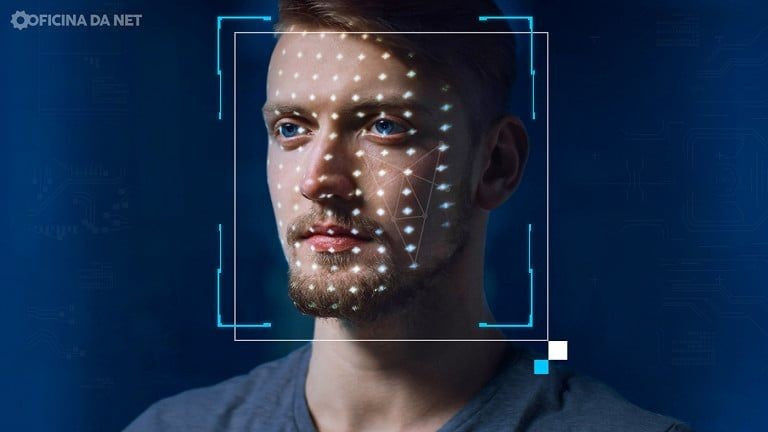
New research suggests that while artificial intelligence has made fake human faces alarmingly convincing, people are not powerless against the technology. Researchers found that targeted training can dramatically improve a person’s ability to distinguish authentic human faces from AI-generated ones by teaching participants to recognize broader visual patterns rather than relying on obvious image flaws. The findings arrive as deepfake technology is increasingly being weaponized in financial fraud, identity theft, impersonation scams, and political misinformation campaigns, underscoring the need for citizens to become more skeptical consumers of digital media. Rather than depending exclusively on technology companies or government regulators to solve the problem, the research indicates that informed individuals can become an effective first line of defense against AI-enabled deception.
Sources
- https://www.theepochtimes.com/world/as-deepfake-scams-surge-researchers-test-whether-people-can-be-trained-to-spot-fake-faces-6055163
- https://www.anu.edu.au/news/all-news/humans-trained-to-spot-ai-faces-in-the-battle-against-deepfake-fraud
- https://www.uvic.ca/socialsciences/info-for/faculty-staff/announcements/humans-trained-to-spot-ai-faces-in-battle-against-deepfake-fraud.php
Key Takeaways
- • Researchers found that even relatively brief, structured training significantly improves people’s ability to identify AI-generated faces, with some participants achieving near-perfect detection accuracy after instruction.
- • Deepfake technology is rapidly becoming a preferred tool for criminals conducting financial scams, identity theft, executive impersonation, and online misinformation, making digital skepticism an increasingly essential skill.
- • The findings suggest that public education, rather than exclusive reliance on AI detection software or government regulation, can strengthen society’s resilience against AI-driven deception.
In-Depth
Artificial intelligence has reached the point where fake faces frequently appear more convincing than genuine photographs, creating a growing challenge for anyone who relies on digital images to verify identity or credibility. As criminals increasingly exploit deepfake technology to impersonate executives, family members, public officials, and trusted organizations, the latest research offers an encouraging reminder that technology alone does not dictate the outcome. Human judgment, when properly trained, remains a valuable defense.
Instead of teaching participants to search for outdated clues such as distorted fingers, mismatched jewelry, or other visual artifacts that modern AI systems have largely eliminated, researchers shifted attention toward broader characteristics including facial symmetry, proportionality, memorability, expressiveness, and overall appearance. The results were striking, with participants substantially improving their accuracy after relatively short training sessions. Even more encouraging, independent researchers replicated the findings, strengthening confidence that the improvement was genuine rather than an isolated laboratory result.
The implications extend well beyond academic curiosity. Americans increasingly conduct banking, hiring, political engagement, and personal communications online. Every advance in generative AI creates new opportunities for criminals to exploit trust, often at a pace far faster than legislation or regulatory agencies can respond. That reality reinforces the importance of individual responsibility and digital literacy. Citizens who understand that seeing is no longer synonymous with believing become substantially harder targets for fraudsters.
This research also serves as a reminder that technological innovation is rarely inherently good or bad. Artificial intelligence continues to deliver extraordinary benefits in medicine, engineering, education, and scientific research, but it also empowers malicious actors. The proper response is neither panic nor blind faith in centralized solutions. Instead, it is equipping individuals with the knowledge to recognize deception while encouraging continued development of better detection technologies. As AI capabilities continue to evolve, an informed and skeptical public may prove to be society’s strongest safeguard against the next generation of digital fraud.