

Close Menu

    Subscribe to Updates

    Get the latest tech news from Tallwire.

      What's Hot

      Texas Gov.-Elect Targets Elon Musk’s SpaceX Land Deal, Threatens AI Data Center Expansion

      November 11, 2026

      Nvidia Launches Investigation Into CEO Jensen Huang Over Alleged Chinese Espionage Operation

      November 11, 2026

      AI Could Break Internet Encryption Before Quantum Computers

      November 10, 2026
      Facebook X (Twitter) Instagram
      • Tech
      • AI
      • Get In Touch
      Facebook X (Twitter) LinkedIn
      TallwireTallwire
      • AI

        AI Could Break Internet Encryption Before Quantum Computers

        November 10, 2026

        Oracle Cancels $7 Billion Tencent AI Chip Deal After Trump Administration Raises Security Concerns

        November 10, 2026

        Anthropic’s AI Cancer Cure Claims Draw Scientific Skepticism as Drug Research Expands

        November 10, 2026

        EU Threatens TikTok With Massive Fine Over Algorithm That Pushes Harmful Videos to Users

        November 10, 2026

        Google Faces Lawsuit Over Gemini AI Chatbot’s Role in Teen’s Suicide Crisis on School Chromebook

        November 9, 2026
      • Tech

        AI Could Break Internet Encryption Before Quantum Computers

        November 10, 2026

        Apple’s Secret iPhone Autocomplete Blocklist Restricts Trump, Biden and Political Phrases

        November 10, 2026

        FAA to Replace Floppy Disks in 435 Air Traffic Control Facilities by 2028

        November 9, 2026

        Suspicious Kalshi, Polymarket Election Bets Raise Insider Trading Concerns After $257,000 Profit

        November 9, 2026

        Amazon, Uber Eats Partner to Offer Prime Members Free Restaurant Delivery on Orders of $25 or More

        November 8, 2026
      • Business/Finance
      • Cybersecurity
      • Government
        • Legal
      • Health

        Anthropic’s AI Cancer Cure Claims Draw Scientific Skepticism as Drug Research Expands

        November 10, 2026

        Australia’s High Court Hears Constitutional Challenges to Social Media Ban

        November 7, 2026

        Majority of AI Health Users Trust Chatbots Over Doctors, Raising Patient Safety Concerns

        November 4, 2026

        Quantum Computing Breakthrough Could Transform AI Data Centers and Slash Energy Costs

        November 2, 2026

        Free AI Tool Offers New Hope in Fight Against Antibiotic-Resistant Infections

        November 2, 2026
      • Science
        • Academia
      • Entertainment/Communications
      • People
      • Transportation
      • Opinion
      TallwireTallwire
      Home»Government»Trump AI Framework Targets State Laws, Shifts Child Safety Burden To Parents
      Government

      Trump AI Framework Targets State Laws, Shifts Child Safety Burden To Parents

      3 Mins Read
      Facebook Twitter Pinterest LinkedIn Tumblr Email
      White House Launches “Genesis Mission” — A National AI Manhattan-Project for Science
      White House Launches “Genesis Mission” — A National AI Manhattan-Project for Science
      Share
      Facebook Twitter LinkedIn Pinterest Email

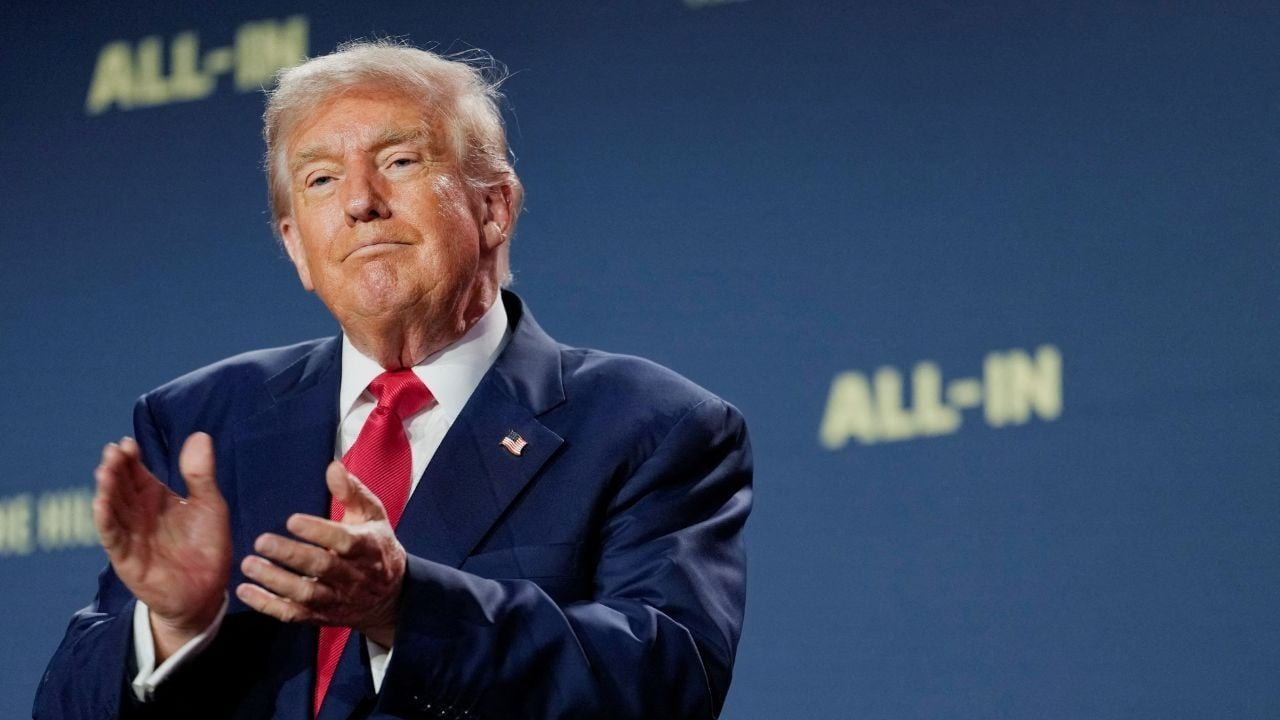
      A newly unveiled artificial intelligence policy framework backed by Donald Trump seeks to override a growing patchwork of state-level AI regulations while placing primary responsibility for protecting children online on parents rather than federal mandates or platform enforcement. The proposal reflects a broader push to centralize regulatory authority at the federal level, arguing that inconsistent state laws risk stifling innovation and fragmenting the U.S. tech landscape. At the same time, the framework signals a philosophical shift away from imposing strict compliance burdens on technology companies—especially around child safety—and instead emphasizes parental control tools, education, and individual responsibility. Supporters argue the approach preserves competitiveness and avoids overregulation, while critics warn it could weaken safeguards and leave families navigating increasingly complex digital risks with fewer institutional protections.

      Sources

      https://techcrunch.com/2026/03/20/trumps-ai-framework-targets-state-laws-shifts-child-safety-burden-to-parents
      https://www.reuters.com/technology/trump-ai-policy-framework-state-laws-parents-child-safety-2026-03-21/
      https://www.bloomberg.com/news/articles/2026-03-21/trump-ai-plan-seeks-to-limit-state-rules-and-redefine-online-child-protection

      Key Takeaways

      • The framework aims to preempt state-level AI regulations, consolidating authority at the federal level to avoid a fragmented regulatory environment.
      • Responsibility for children’s online safety is shifted more heavily toward parents, reducing direct compliance expectations on tech companies.
      • The proposal reflects a broader deregulatory approach intended to accelerate AI development while raising concerns about reduced consumer protections.

      In-Depth

      The emerging artificial intelligence framework tied to Donald Trump’s policy vision underscores a familiar tension in American governance: innovation versus regulation. By seeking to override state-level AI laws, the proposal takes aim at what many in the technology sector see as a looming regulatory maze. States like California and New York have already begun advancing their own AI rules, creating the potential for a fractured system that companies must navigate on a jurisdiction-by-jurisdiction basis. The framework’s federal-first approach is designed to eliminate that complexity, arguing that a unified national standard is essential if the United States is to remain competitive against global rivals, particularly China.

      Where the proposal becomes more contentious is in its approach to child safety. Rather than expanding federal mandates on platforms—such as stricter content moderation requirements or liability standards—the framework pivots toward empowering parents. This includes promoting parental control technologies, digital literacy, and household-level oversight as the primary safeguards. The underlying philosophy is clear: government intervention should be limited, and families should retain autonomy over how children engage with digital environments.

      Critics, however, argue that this shift may underestimate the scale and sophistication of modern online risks. Platforms driven by algorithmic engagement systems can expose minors to harmful content at speeds and volumes that many parents are ill-equipped to manage alone. By reducing regulatory pressure on companies, opponents contend, the framework could create gaps in accountability at precisely the moment when AI-driven content generation is accelerating.

      Supporters counter that heavy-handed regulation could choke off innovation and push development overseas. They emphasize that empowering parents aligns with broader principles of personal responsibility and limited government. Whether this balance ultimately strengthens or weakens protections will likely depend on how the framework is implemented—and whether complementary tools and education efforts keep pace with rapidly evolving technology.

      AI Regulation Intel
      Share. Facebook Twitter Pinterest LinkedIn Tumblr Email
      Previous ArticleU.S. Accuses Iran Of Operating Hacktivist Group Behind Cyberattack On Medical Device Firm
      Next Article Cyberattack On Court-Mandated Breathalyzer Provider Strands Drivers Nationwide

      Related Posts

      Nvidia Launches Investigation Into CEO Jensen Huang Over Alleged Chinese Espionage Operation

      November 11, 2026

      Texas Gov.-Elect Targets Elon Musk’s SpaceX Land Deal, Threatens AI Data Center Expansion

      November 11, 2026

      North Korea Launders $6.4B Binance Crypto Heist Through Chinese Networks

      November 10, 2026

      AI Could Break Internet Encryption Before Quantum Computers

      November 10, 2026
      Add A Comment
      Leave A Reply Cancel Reply

      Editors Picks

      AI Could Break Internet Encryption Before Quantum Computers

      November 10, 2026

      Apple’s Secret iPhone Autocomplete Blocklist Restricts Trump, Biden and Political Phrases

      November 10, 2026

      FAA to Replace Floppy Disks in 435 Air Traffic Control Facilities by 2028

      November 9, 2026

      Suspicious Kalshi, Polymarket Election Bets Raise Insider Trading Concerns After $257,000 Profit

      November 9, 2026
      Popular Topics
      SpaceX UAE Tech Satya Nadella Taiwan Tech Tesla Cybertruck Series A trending Space Sundar Pichai Stocks Startup Tesla Viral Satellite Tim Cook spotlight Samsung Series B starlink Software
      Major Tech Companies
      • Apple News
      • Google News
      • Meta News
      • Microsoft News
      • Amazon News
      • Samsung News
      • Nvidia News
      • OpenAI News
      • Tesla News
      • AMD News
      • Anthropic News
      • Elbit News
      AI & Emerging Tech
      • AI Regulation News
      • AI Safety News
      • AI Adoption
      • Quantum Computing News
      • Robotics News
      Key People
      • Sam Altman News
      • Jensen Huang News
      • Elon Musk News
      • Mark Zuckerberg News
      • Sundar Pichai News
      • Tim Cook News
      • Satya Nadella News
      • Mustafa Suleyman News
      Global Tech & Policy
      • Israel Tech News
      • India Tech News
      • Taiwan Tech News
      • UAE Tech News
      Startups & Emerging Tech
      • Series A News
      • Series B News
      • Startup News
      Tallwire
      Facebook X (Twitter) LinkedIn Threads Instagram RSS
      • AI
      • Tech
      • Business/Finance
      • Cybersecurity
      • Government
      • Legal
      • Health
      • Science
      • Academia
      • Entertainment/Communications
      • People
      • Transportation
      • Opinion
      • Press Kit
      © 2026 Tallwire. Optimized by ARMOUR Digital Marketing Agency.

      Type above and press Enter to search. Press Esc to cancel.