

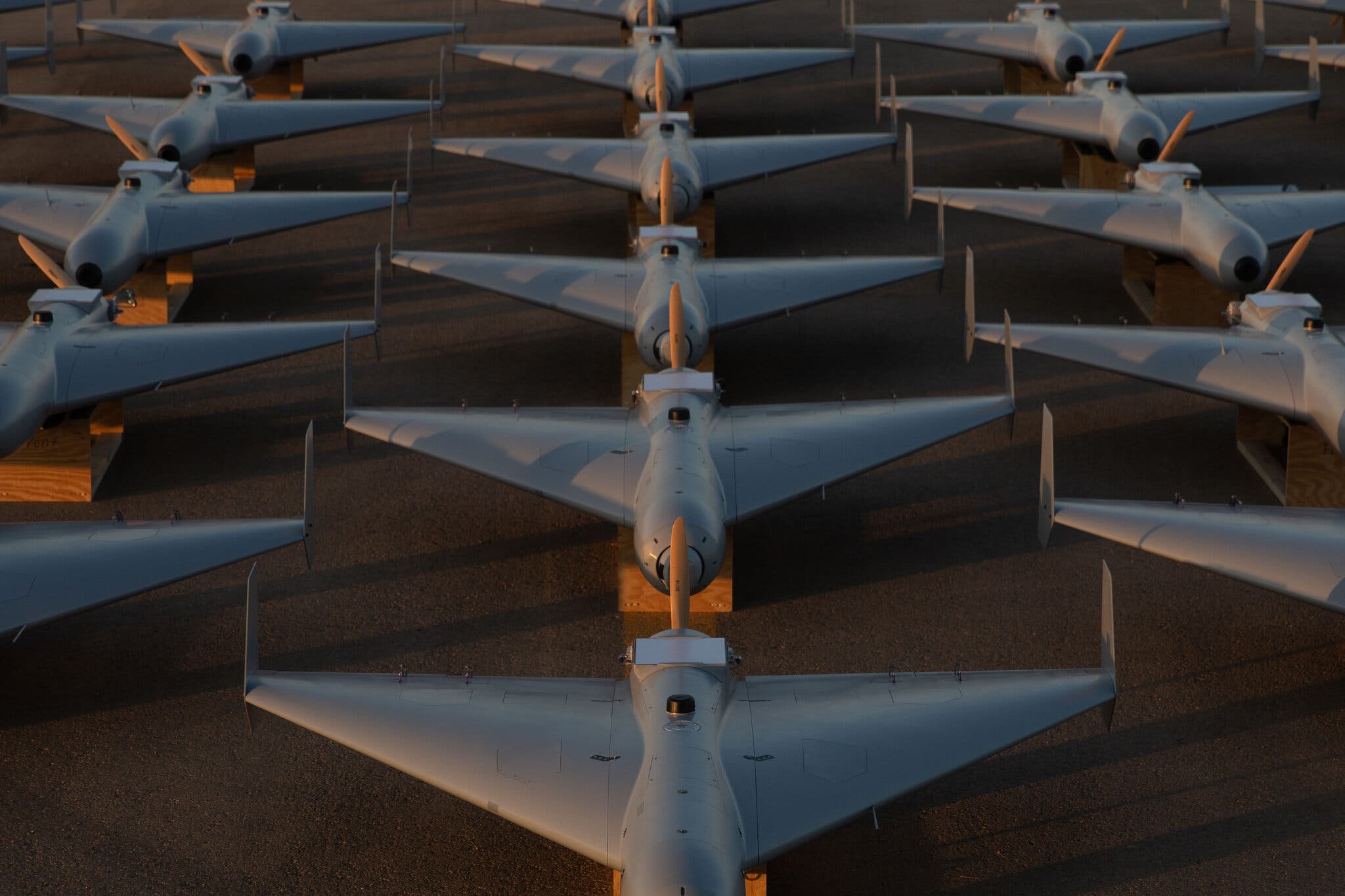
The United Nations and the International Committee of the Red Cross have renewed their call for legally binding international rules governing autonomous weapons systems, arguing that rapid advances in artificial intelligence and battlefield automation have outpaced existing laws of armed conflict. The organizations warned that allowing machines to independently select and engage human targets would cross a dangerous moral threshold, urging governments to establish prohibitions and restrictions before such technology becomes widespread. Their appeal comes ahead of negotiations in Geneva aimed at strengthening international standards for increasingly autonomous military systems as nations continue expanding AI-enabled weapons capabilities.
Key Takeaways
- The U.N. and Red Cross contend that autonomous weapons technology is advancing faster than international law, creating pressure for new legally binding rules before fully autonomous systems become commonplace.
- Negotiators are expected to revisit the issue in Geneva, but major military powers remain divided over whether existing laws are sufficient or whether a new treaty is necessary.
- The debate increasingly centers on maintaining meaningful human control over decisions to use lethal force while balancing humanitarian concerns against the military advantages offered by AI-driven systems.
In-Depth
The renewed campaign by the United Nations and the International Committee of the Red Cross reflects growing concern that artificial intelligence is transforming warfare faster than governments can establish clear legal and ethical boundaries. Rather than calling for a blanket prohibition on every autonomous military capability, the organizations are urging nations to adopt binding international rules that preserve human responsibility for decisions involving the use of lethal force.
Supporters of new regulations argue that accountability becomes increasingly difficult when algorithms participate in target selection. Questions surrounding legal responsibility, civilian protection, proportionality, and compliance with the laws of armed conflict become substantially more complex if a machine independently identifies and attacks a human target. They contend that international humanitarian law should evolve before technology overtakes policymakers’ ability to regulate it.
Critics of additional international restrictions take a different view. Many defense analysts and several major military powers maintain that existing laws governing armed conflict already apply regardless of the technology employed. They also warn that overly restrictive agreements could handicap law-abiding democracies while adversarial governments continue developing increasingly sophisticated autonomous systems outside any meaningful enforcement regime. Those concerns have slowed negotiations for years and remain a principal obstacle to reaching consensus.
The larger debate is unlikely to disappear. Artificial intelligence is becoming deeply integrated into surveillance, logistics, targeting assistance, and defensive weapons across modern militaries. As those capabilities mature, policymakers will continue facing the challenge of balancing military innovation, strategic deterrence, humanitarian obligations, and the enduring principle that decisions involving human life should remain under meaningful human control.
Sources
- https://www.icrc.org/en/statement/renewed-call-un-secretary-general-and-icrc-president-adopt-rules-autonomous-weapons
- https://www.ungeneva.org/en/news-media/press-release/2026/08/renewed-call-united-nations-secretary-general-and-president
- https://www.reuters.com/legal/government/un-red-cross-call-urgent-rules-autonomous-weapons-2026-08-25/