

Close Menu

    Subscribe to Updates

    Get the latest creative news from FooBar about art, design and business.

    What's Hot

    Discord to Mandate Global Age Verification With Face Scans and IDs in March 2026

    February 13, 2026

    Microsoft Exchange Online’s Aggressive Filters Mistake Legitimate Emails for Phishing

    February 13, 2026

    Intel Quietly Pulls Plug on Controversial Pay-to-Unlock CPU Feature Model

    February 13, 2026
    Facebook X (Twitter) Instagram
    • Tech
    • AI News
    • Get In Touch
    Facebook X (Twitter) LinkedIn
    TallwireTallwire
    • Tech

      Microsoft Exchange Online’s Aggressive Filters Mistake Legitimate Emails for Phishing

      February 13, 2026

      Hobbyist Finds $500 Worth Of RAM In Landfill As Memory Shortages Bite Hardware Market

      February 13, 2026

      Intel Quietly Pulls Plug on Controversial Pay-to-Unlock CPU Feature Model

      February 13, 2026

      Toyota Announces Open-Source “Console-Grade” Game Engine For Vehicle Systems And Beyond

      February 13, 2026

      Snapchat Rolls Out Expanded Arrival Notifications Beyond Home

      February 13, 2026
    • AI News

      Discord to Mandate Global Age Verification With Face Scans and IDs in March 2026

      February 13, 2026

      Hobbyist Finds $500 Worth Of RAM In Landfill As Memory Shortages Bite Hardware Market

      February 13, 2026

      Chinese Firms Expand Chip Production As Global Memory Shortage Deepens

      February 12, 2026

      AI Agents Build Their Own MMO Playground After Moltbook Ignites Agent-Only Web Communities

      February 12, 2026

      Struggling AI Startups Kept Afloat Despite Never Becoming Profitable

      February 12, 2026
    • Security

      Microsoft Exchange Online’s Aggressive Filters Mistake Legitimate Emails for Phishing

      February 13, 2026

      China’s Salt Typhoon Hackers Penetrate Norwegian Networks in Espionage Push

      February 12, 2026

      Reality Losing the Deepfake War as C2PA Labels Falter

      February 11, 2026

      Global Android Security Alert: Over One Billion Devices Vulnerable to Malware and Spyware Risks

      February 11, 2026

      Small Water Systems Face Rising Cyber Threats As Experts Warn National Security Risk

      February 9, 2026
    • Health

      AI Advances Aim to Bridge Labor Gaps in Rare Disease Treatment

      February 12, 2026

      Boeing and Israel’s Technion Forge Clean Fuel Partnership to Reduce Aviation Carbon Footprints

      February 11, 2026

      OpenAI’s Drug Royalties Model Draws Skepticism as Unworkable in Biotech Reality

      February 10, 2026

      New AI Health App From Fitbit Founders Aims To Transform Family Care

      February 9, 2026

      Startups Deploy Underwater Robots to Radically Expand Ocean Tracking Capabilities

      February 9, 2026
    • Science

      NASA Artemis II Spacesuit Mobility Concerns Ahead Of Historic Mission

      February 13, 2026

      AI Agents Build Their Own MMO Playground After Moltbook Ignites Agent-Only Web Communities

      February 12, 2026

      AI Advances Aim to Bridge Labor Gaps in Rare Disease Treatment

      February 12, 2026

      Boeing and Israel’s Technion Forge Clean Fuel Partnership to Reduce Aviation Carbon Footprints

      February 11, 2026

      Companies Soften Robot Design to Ease Public Acceptance

      February 10, 2026
    • People

      Google Co-Founder’s Epstein Contacts Reignite Scrutiny of Elite Tech Circles

      February 7, 2026

      Bill Gates Denies “Absolutely Absurd” Claims in Newly Released Epstein Files

      February 6, 2026

      Informant Claims Epstein Employed Personal Hacker With Zero-Day Skills

      February 5, 2026

      Starlink Becomes Critical Internet Lifeline Amid Iran Protest Crackdown

      January 25, 2026

      Musk Pledges to Open-Source X’s Recommendation Algorithm, Promising Transparency

      January 21, 2026
    TallwireTallwire
    Home»Tech»Volvo Shifts Course: U.S.-Built Hybrid “EREV” Plan Marks Strategic Pivot
    Tech

    Volvo Shifts Course: U.S.-Built Hybrid “EREV” Plan Marks Strategic Pivot

    Updated:December 25, 20253 Mins Read
    Facebook Twitter Pinterest LinkedIn Tumblr Email
    Volvo Shifts Course: U.S.-Built Hybrid “EREV” Plan Marks Strategic Pivot
    Volvo Shifts Course: U.S.-Built Hybrid “EREV” Plan Marks Strategic Pivot
    Share
    Facebook Twitter LinkedIn Pinterest Email

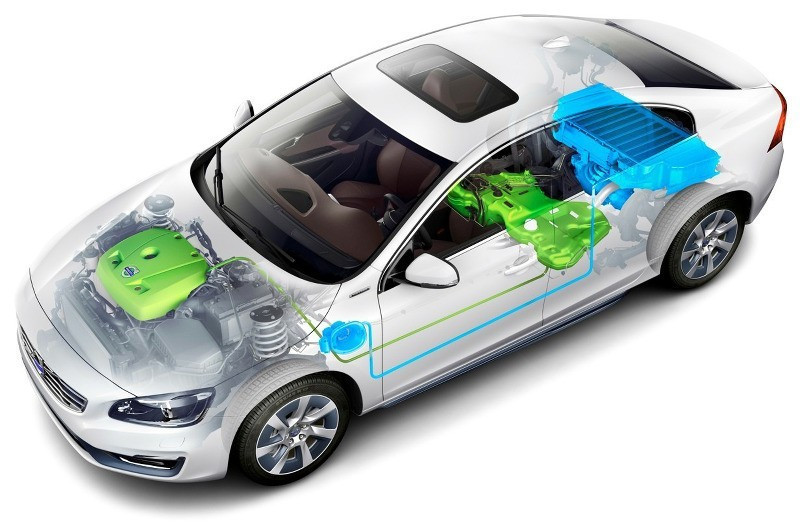
    Volvo today revealed plans to produce a next-generation hybrid—specifically an extended-range electric vehicle (EREV)—in the United States, built at its South Carolina Ridgeville/Charleston facility no later than 2030. The automaker frames this as part of a shift in thinking: the EREV will behave mostly like a pure electric vehicle, but with a small gasoline generator that recharges the battery to alleviate range anxiety. This move comes as Volvo contends with declining EV sales, expiring U.S. federal tax credits, and pressure from import tariffs. To support it, Volvo is anchoring the plan with a $1.3 billion investment to expand capacity and aims to boost its U.S. plant output by 50 percent over five years. While Volvo had earlier committed to going fully electric by 2030, today’s announcement signals that the transition will be slower, and hybrids will remain part of its portfolio for now.

    Sources: Car & Driver, Reuters

    Key Takeaways

    – Volvo is repositioning: rather than rushing to all-electric, it’s embracing hybrid bridge tech by building U.S.-made EREVs to balance performance, range, and market realities.

    – The South Carolina plant is central to the strategy, with massive investment and capacity expansion planned to support new hybrid and other vehicle lines.

    – Broader context: the decision reflects pressure from U.S. import tariffs, softening EV demand, and the impending expiration of federal EV tax credits.

    In-Depth

    Volvo’s announcement marks a pragmatic recalibration in its electrification strategy. The automaker is not walking away from EVs—but it’s acknowledging that transitioning too rapidly from internal combustion to battery-only models may be ill-suited to current market dynamics. What it’s proposing instead is a “second generation” of hybrids—extended-range electric vehicles (EREVs)—that behave like EVs with a small gasoline engine acting purely as a backup generator to recharge the battery on the go. In Volvo’s view, this helps ease customers’ range anxiety without fully tethering the brand to combustion engines.

    It’s significant that Volvo is committing to build this technology in the U.S.—specifically at its Ridgeville/Charleston, South Carolina facility. That plant already produces the EX90 and Polestar 3, and Volvo intends to add XC60 production there in late 2026. The plan calls for a $1.3 billion investment and aims to increase output by 50 percent over five years, targeting utilization of the factory’s full 150,000-vehicle annual capacity. The new EREV is slated to join the lineup before 2030, tailored for American families and likely configured as a three-row SUV to compete in high-demand segments.

    From a political and economic perspective, this strategy addresses headwinds facing Volvo. Import tariffs imposed under the Trump administration have eaten into profitability for brands that export vehicles to the U.S. market. Producing more models domestically helps insulate Volvo from those duties. Meanwhile, demand for pure EVs reflects a plateau in some markets, particularly as federal EV tax credits are expiring—removing incentives and putting pressure on automakers to offer hybrid alternatives. Several other manufacturers (Ford, Hyundai, Nissan, Ram, Scout) are reportedly exploring or rolling out EREV programs, signaling a broader industry pivot.

    Volvo had previously targeted a full transition away from combustion by 2030, but that timeline is now being pushed outward or softened. The hybrid-first posture signals a willingness to remain flexible and responsive rather than dogmatically committed to a single path. The efficacy of this move will depend on whether Volvo can deliver EREVs with compelling performance, acceptable cost, and reliability—and whether the market receives them rather than continuing to favor full EVs or traditional hybrids. Still, today’s announcement offers a window into how legacy auto brands may recalibrate their electric strategies to straddle both innovation and risk mitigation.

    Share. Facebook Twitter Pinterest LinkedIn Tumblr Email
    Previous ArticleVisa Unveils Agentic Commerce, Letting AI Spend Your Money
    Next Article Walmart+ Adds Peacock Option to Boost Value, Let Members Choose Their Streaming Perk

    Related Posts

    Microsoft Exchange Online’s Aggressive Filters Mistake Legitimate Emails for Phishing

    February 13, 2026

    Hobbyist Finds $500 Worth Of RAM In Landfill As Memory Shortages Bite Hardware Market

    February 13, 2026

    Intel Quietly Pulls Plug on Controversial Pay-to-Unlock CPU Feature Model

    February 13, 2026

    Snapchat Rolls Out Expanded Arrival Notifications Beyond Home

    February 13, 2026
    Add A Comment
    Leave A Reply Cancel Reply

    Editors Picks

    Microsoft Exchange Online’s Aggressive Filters Mistake Legitimate Emails for Phishing

    February 13, 2026

    Hobbyist Finds $500 Worth Of RAM In Landfill As Memory Shortages Bite Hardware Market

    February 13, 2026

    Intel Quietly Pulls Plug on Controversial Pay-to-Unlock CPU Feature Model

    February 13, 2026

    Toyota Announces Open-Source “Console-Grade” Game Engine For Vehicle Systems And Beyond

    February 13, 2026
    Top Reviews
    Tallwire
    Facebook X (Twitter) LinkedIn Threads Instagram RSS
    • Tech
    • Entertainment
    • Business
    • Government
    • Academia
    • Transportation
    • Legal
    • Press Kit
    © 2026 Tallwire. Optimized by ARMOUR Digital Marketing Agency.

    Type above and press Enter to search. Press Esc to cancel.