

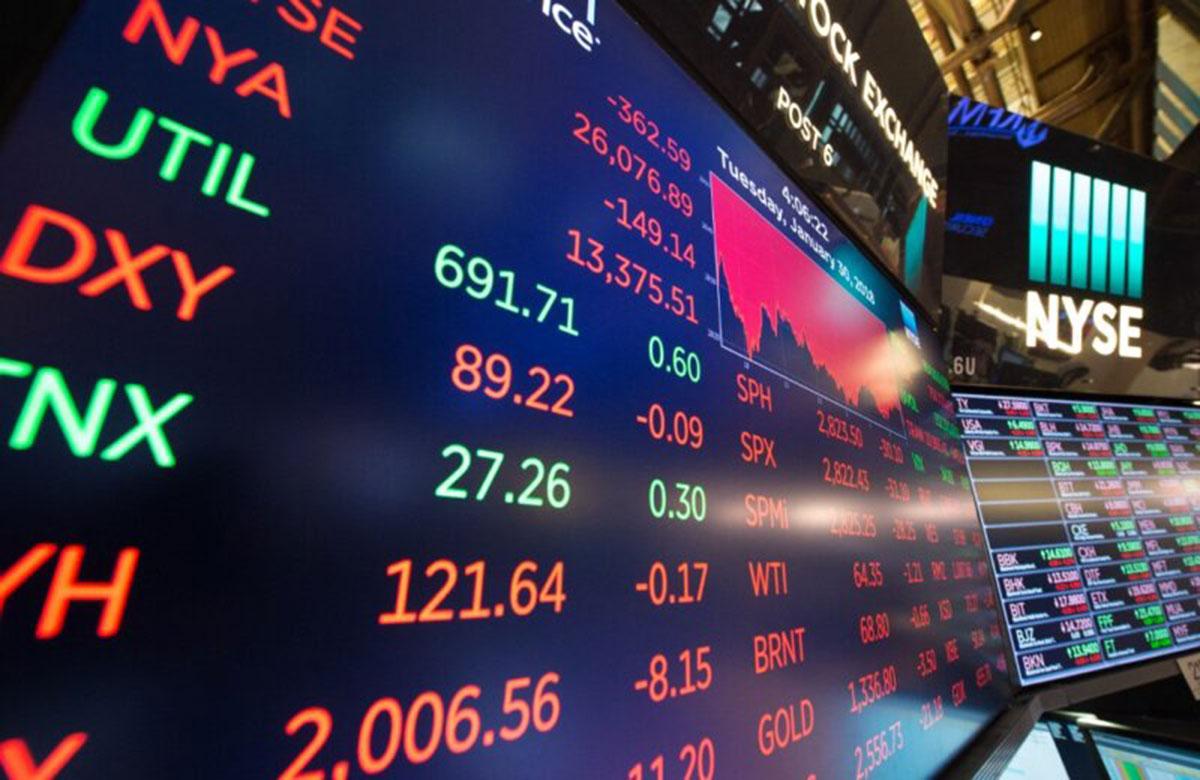
The spectacular collapse of the highly leveraged Situational Awareness hedge fund has unexpectedly fueled renewed optimism that the recent correction in artificial intelligence stocks may have largely run its course. After the fund was forced to unwind massive AI-related equity positions following steep losses, investors interpreted the liquidation as the removal of one of the market’s largest sources of selling pressure. The resulting rebound in several AI-related stocks has prompted many on Wall Street to argue that the sector may have established at least a short-term bottom. At the same time, the episode serves as a cautionary reminder that extraordinary leverage—not necessarily deteriorating AI fundamentals—can rapidly transform a successful investment strategy into a market-moving liquidation, reinforcing the importance of disciplined risk management even amid enthusiasm surrounding transformative technologies.
Sources
- https://www.marketwatch.com/story/implosion-of-situational-awareness-has-wall-street-betting-the-bottom-is-in-for-the-ai-trade-05d9f346
- https://www.ft.com/content/4f6e5ad5-395b-41ac-9672-bd6880dc05a7
- https://www.wsj.com/finance/leopold-aschenbrenner-situational-awareness-ai-fund-597633d3
Key Takeaways
- • The forced liquidation of one of the largest leveraged AI-focused hedge funds appears to have removed significant selling pressure from the market, encouraging investors to reenter AI-related positions.
- • The crisis underscores that excessive leverage, rather than weakness in artificial intelligence itself, can rapidly destabilize even extraordinarily successful investment strategies.
- • Despite renewed optimism, comparisons to previous technology booms suggest investors should remain cautious, as sharp recoveries do not necessarily eliminate the possibility of continued volatility or future corrections.
In-Depth
The implosion of the Situational Awareness hedge fund illustrates a timeless lesson about financial markets: leverage magnifies both success and failure. The fund had become one of Wall Street’s biggest success stories by making aggressive bets on artificial intelligence infrastructure companies, producing eye-popping returns that attracted billions of dollars. But once those positions turned against it, borrowing amplified losses just as dramatically, forcing rapid liquidation of holdings that reverberated across the technology sector.
Ironically, that collapse may have strengthened the broader AI investment narrative rather than weakened it. Once investors recognized that much of the selling pressure stemmed from one heavily leveraged institution being forced to unwind positions instead of a widespread reassessment of AI’s long-term prospects, bargain hunters quickly stepped back into many of the sector’s leading names. Markets often recover when uncertainty is replaced by clarity, even if the immediate news appears negative.
The episode also exposes one of modern finance’s recurring weaknesses: momentum investing fueled by borrowed money. History repeatedly demonstrates that concentrated positions combined with substantial leverage can destabilize even sophisticated investors when markets move unexpectedly. Conservative investors have long argued that sound fundamentals, reasonable valuations, and prudent risk management ultimately prove more durable than speculative enthusiasm built upon cheap financing.
Artificial intelligence itself remains a transformative technology with enormous economic potential, but the investment story has matured. Investors are becoming increasingly selective, distinguishing companies generating sustainable earnings and cash flow from those benefiting primarily from market excitement. The collapse of one hedge fund does not invalidate AI’s future, but it does remind markets that discipline, not euphoria, remains the foundation of long-term investment success.