

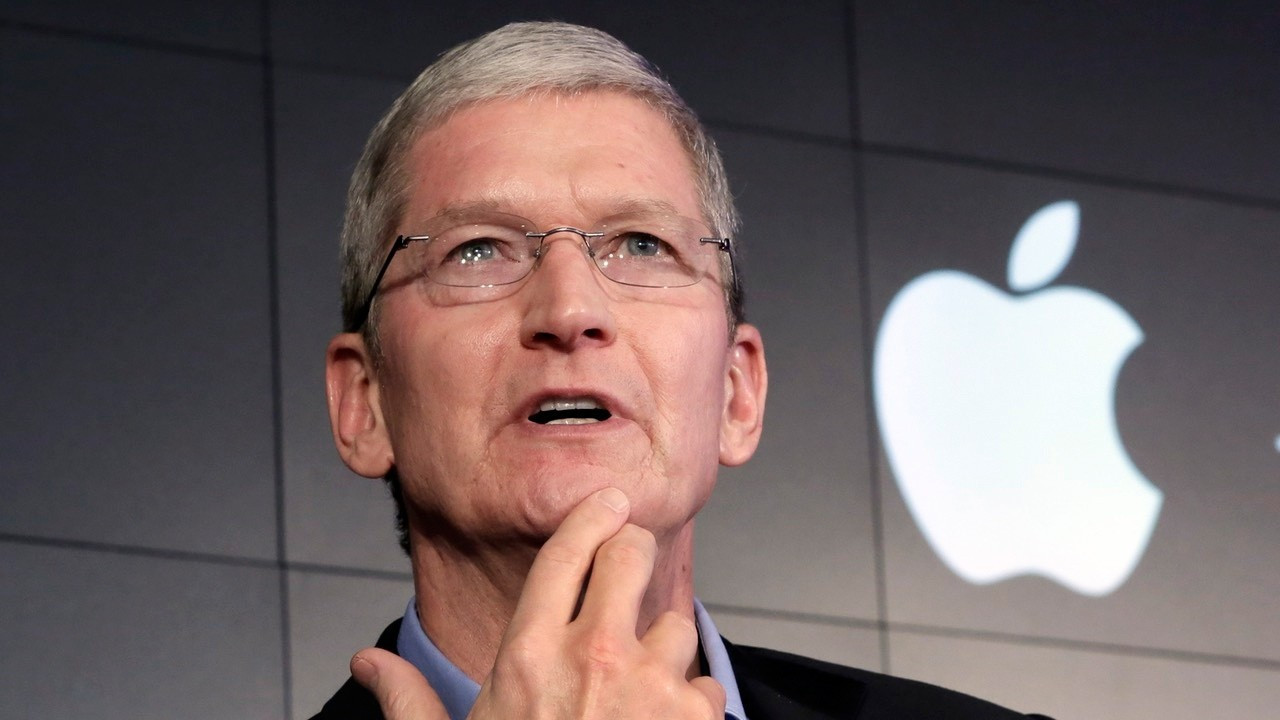
Apple‘s rise to a roughly $4 trillion valuation under Tim Cook reflects a disciplined, operations-first strategy that prioritized scale, efficiency, and ecosystem dominance over headline-grabbing invention, turning a company once defined by breakthrough products into a global cash-generating machine deeply embedded in everyday life; by refining supply chains, expanding high-margin services, maintaining premium pricing power, and leveraging the iPhone as a durable revenue anchor, Cook transformed steady execution into extraordinary shareholder returns, even as critics argue the company now faces a more uncertain future in emerging technologies like artificial intelligence.
Sources
https://www.wsj.com/tech/tim-cook-apple-ceo-career-055d5358
https://www.reuters.com/technology/john-ternus-become-apple-ceo-tim-cook-become-executive-chairman-2026-04-20/
https://www.marketwatch.com/story/tim-cooks-secret-weapon-that-turned-apple-into-a-4-trillion-apple-empire-1983f7f8
Key Takeaways
- Apple’s valuation surge was driven less by breakthrough invention and more by operational discipline, supply chain mastery, and ecosystem monetization.
- The iPhone remained the central profit engine, while services and recurring revenue streams significantly expanded margins and stability.
- Despite financial dominance, questions remain about Apple’s positioning in next-generation technologies, particularly artificial intelligence.
In-Depth
Tim Cook’s tenure represents a shift from visionary disruption to managerial precision, and that distinction explains much of Apple’s extraordinary financial ascent. When Cook assumed leadership, the company was already successful, but it was far from the industrial-scale powerhouse it is today. Rather than chasing constant reinvention, Cook focused on refining what already worked—turning the iPhone into a global annuity, strengthening supplier relationships, and driving efficiencies that competitors struggled to replicate.
The strategy was straightforward but ruthlessly effective: control costs, expand margins, and deepen customer lock-in. Apple’s supply chain became one of the most sophisticated in the world, allowing the company to scale production globally while maintaining premium pricing. At the same time, Cook pushed aggressively into services—subscriptions, media, and digital ecosystems—creating recurring revenue streams that insulated the company from the volatility of hardware cycles.
Critics often argue that Cook lacked the visionary spark associated with earlier leadership, but that critique overlooks the reality of what Apple became under his watch. Revenue multiplied, global reach expanded, and the company embedded itself into daily life through a tightly integrated ecosystem of devices and services. The result was not just growth, but durability—an ability to generate consistent cash flow at a scale few corporations in history have achieved.
Still, the model is not without risk. Apple’s continued reliance on the iPhone raises concerns about long-term innovation, particularly as competitors push aggressively into artificial intelligence and other emerging technologies. Cook leaves behind a company that is financially dominant but strategically at a crossroads, with the next phase likely demanding more than operational excellence alone.