

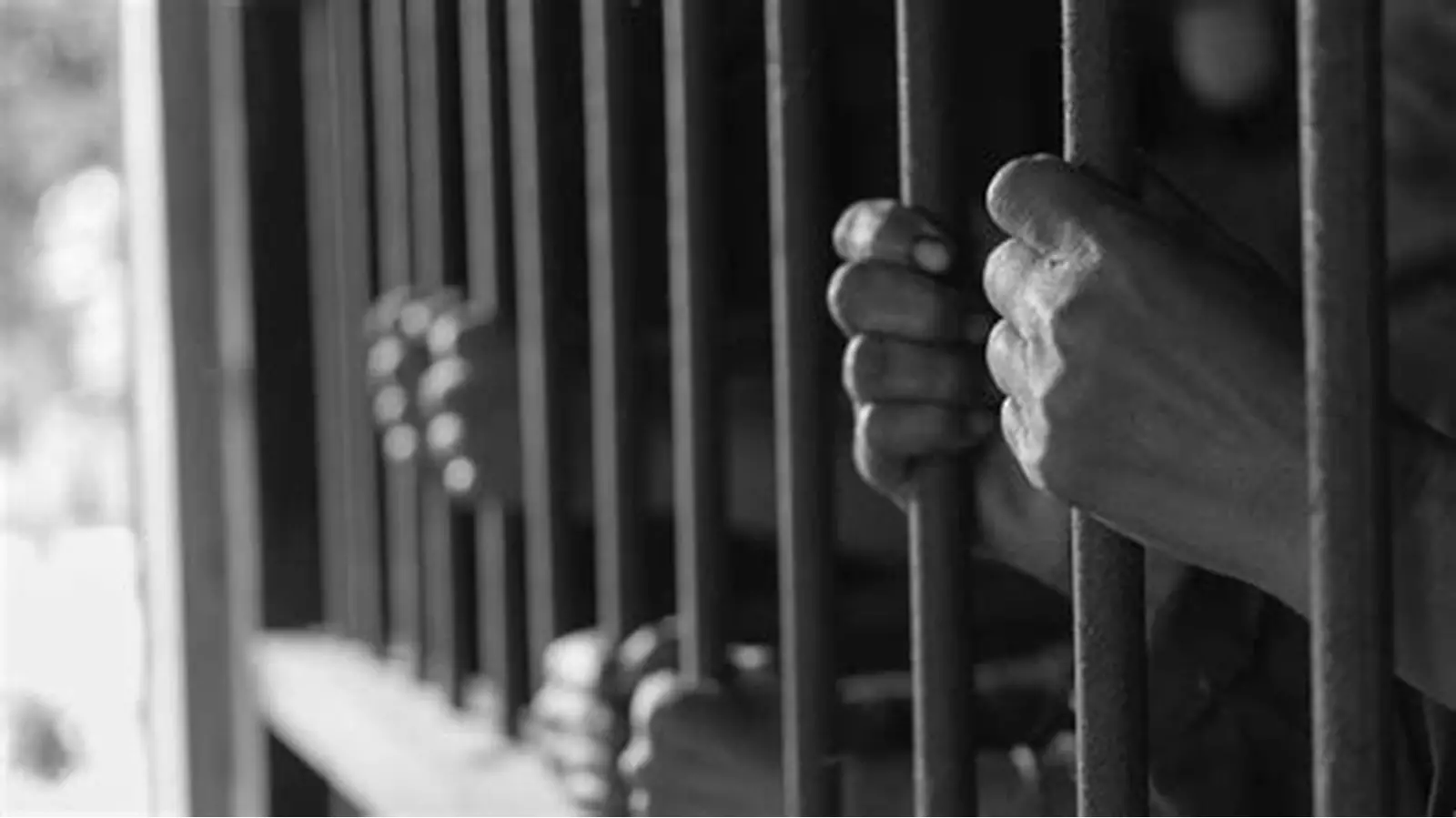
Even in tightly controlled correctional environments where internet access is restricted or outright banned, prisoners are increasingly finding ways to interact with artificial intelligence chatbots, raising serious questions about security, rehabilitation, and the unintended consequences of technological seepage into the justice system; inmates have reportedly used intermediaries, limited-access devices, or external contacts to obtain AI-generated answers to legal, medical, and educational questions, highlighting both the appeal of these tools and the inability of institutions to fully contain digital influence, while critics warn that the same systems—already under scrutiny for reinforcing delusions, misinformation, and psychological dependency—could introduce new risks inside prisons, where vulnerable populations may be particularly susceptible to misleading or affirming responses from machines that lack accountability or human judgment.
Sources
https://www.nytimes.com/2026/04/21/business/ai-chatbots-prisoners.html
https://sciencenews.strategian.com/public_html/2026/04/21/even-without-internet-access-prisoners-are-trying-to-benefit-from-a-i/
https://en.wikipedia.org/wiki/Deaths_linked_to_chatbots
https://www.theguardian.com/technology/2026/mar/14/ai-chatbots-psychosis
Key Takeaways
- Prisoners are bypassing institutional restrictions to access AI tools, exposing gaps in correctional system controls and oversight.
- AI chatbots are being used for practical purposes like legal and medical information, but they carry risks of misinformation and psychological influence.
- Broader concerns about chatbot behavior—such as reinforcing delusions or failing to intervene in crises—take on heightened significance in confined, high-risk populations.
In-Depth
The emergence of artificial intelligence inside prison systems—despite strict prohibitions on internet access—underscores a larger truth about modern technology: once it exists at scale, it becomes nearly impossible to contain. Inmates, often resourceful by necessity, are finding indirect pathways to tap into chatbot systems, whether through approved but limited digital tools, third-party intermediaries, or other workarounds that exploit gaps in institutional oversight. The motivation is not difficult to understand. For individuals cut off from traditional information channels, a tool that can instantly provide legal explanations, medical guidance, or even educational support carries obvious appeal.
At first glance, this development could be framed as a potential equalizer, giving prisoners access to knowledge that might aid rehabilitation or legal understanding. But that optimistic view quickly runs into hard reality. Artificial intelligence systems are not neutral arbiters of truth; they are probabilistic machines trained on vast datasets, capable of producing convincing but sometimes inaccurate or misleading responses. Outside prison walls, this has already produced documented harm, including cases where chatbots reinforced delusional thinking or failed to respond appropriately to individuals in psychological distress.
Inside a correctional environment, those risks are amplified. The prison population includes individuals with higher-than-average rates of mental health challenges, limited access to professional support, and constrained ability to verify information. A chatbot that affirms incorrect beliefs, provides flawed legal interpretations, or simply delivers confident-sounding misinformation could have real-world consequences, from legal missteps to behavioral escalation.
There is also a broader institutional concern. Prisons operate on control—of movement, communication, and information. The quiet infiltration of AI tools represents a breach of that control, not through overt defiance but through technological inevitability. If inmates can access AI indirectly today, it raises the question of what happens tomorrow as these systems become more embedded in everyday devices and communication channels.
What emerges is not a simple story of innovation reaching an unlikely place, but a warning about the limits of containment in a digital age. The correctional system now faces a choice: attempt to further restrict access in a likely losing battle, or confront the reality of AI’s presence and develop structured, accountable ways to manage its use.