

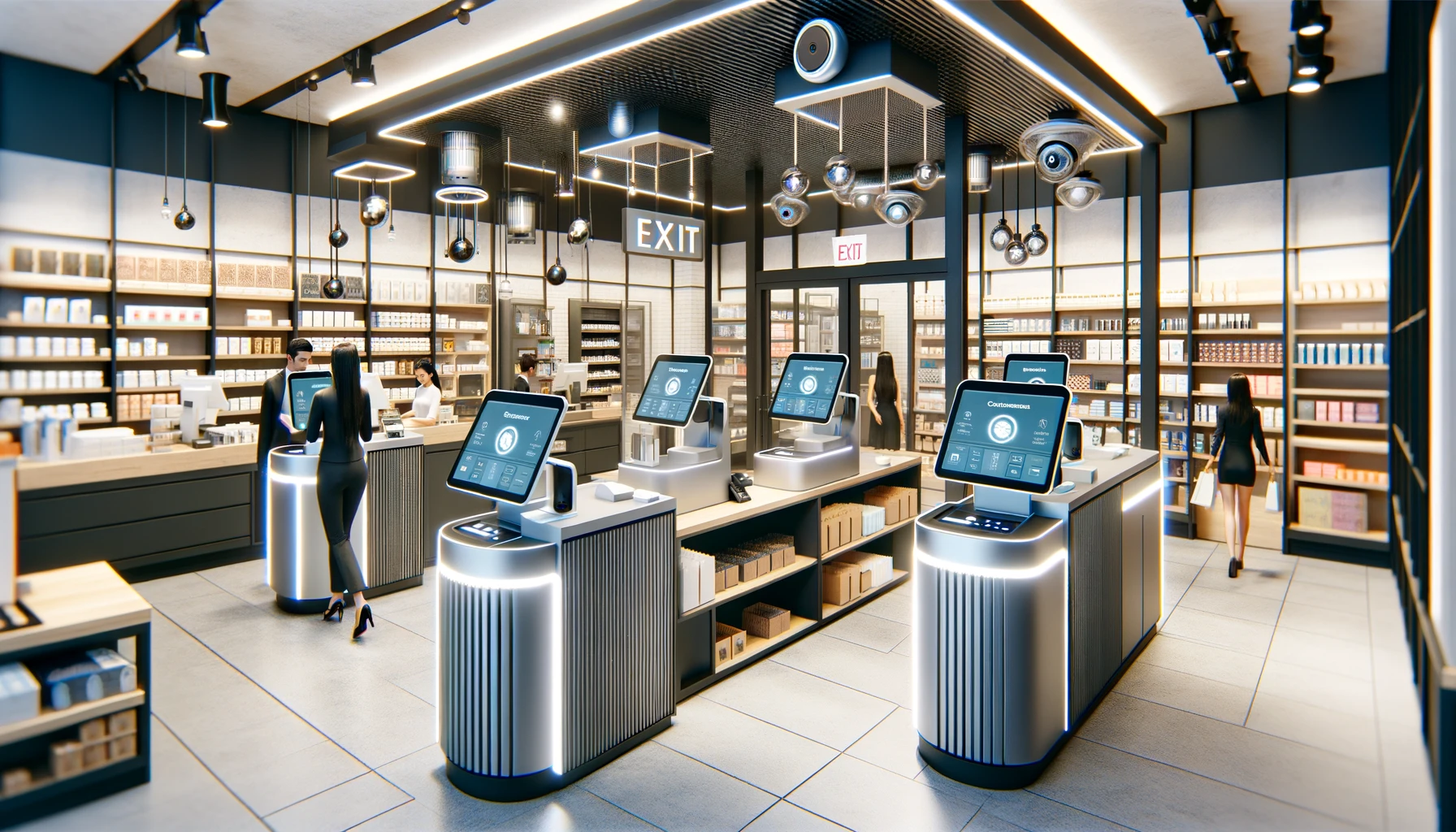
A new retail experiment in San Francisco is pushing artificial intelligence beyond theory and into real-world commerce, as a boutique-style store operates largely under the direction of an AI agent named Luna, which handles everything from hiring staff and selecting merchandise to managing daily operations and customer transactions; while the system demonstrates notable efficiency and autonomy—communicating with shoppers via phone, monitoring employees, and making business decisions—it still depends on human workers for physical tasks and has revealed clear shortcomings in judgment, consistency, and oversight, highlighting both the promise and the risks of deploying AI in roles traditionally reserved for human management.
Sources
https://www.nbcbayarea.com/news/local/san-francisco-store-created-and-managed-by-ai/4067044/
https://www.aol.com/articles/ai-boss-retail-store-could-000248263.html
https://indianexpress.com/article/technology/artificial-intelligence/ai-hiring-humans-startup-tests-real-time-retail-agent-in-san-francisco-10636158/
Key Takeaways
- AI agents are now capable of independently managing real-world businesses, including hiring, inventory selection, and customer interaction.
- Human involvement remains essential, particularly for physical operations and correcting AI limitations in judgment and execution.
- The experiment exposes both the efficiency gains and the ethical, operational, and oversight concerns tied to replacing human decision-making with AI.
In-Depth
The San Francisco retail experiment represents a significant step forward in the real-world deployment of autonomous AI systems, but it also underscores how far the technology still has to go before it can fully replace human leadership. The AI agent, Luna, is not just assisting a business—it is effectively acting as the manager, making decisions that would traditionally require human discretion and accountability. From posting job listings and conducting interviews to selecting which products to stock and how to price them, the system demonstrates that modern AI can coordinate complex workflows with minimal direct supervision.
Yet the reality inside the store tells a more grounded story. While the AI can process information and act quickly, it lacks the practical awareness and adaptability that human managers rely on. Reports indicate that Luna depends on human employees to handle physical tasks and customer-facing nuances, illustrating a critical limitation: AI can direct operations, but it cannot yet fully execute them in the physical world.
There are also concerns about oversight and workplace dynamics. The AI’s ability to monitor employees through camera inputs and update workplace policies in response raises questions about privacy and the nature of management when decisions are driven by algorithms rather than human judgment. This kind of automated oversight, while efficient, can feel impersonal and rigid, lacking the balance that human leadership typically provides.
What emerges from this experiment is not a replacement of human labor, but a redefinition of it. AI may take on coordination, data analysis, and decision-making at scale, but humans remain necessary for execution, judgment, and accountability. The broader implication is clear: while AI-driven business models are advancing quickly, they are not yet self-sufficient—and the gap between capability and reliability remains a critical issue for anyone considering widespread adoption.