

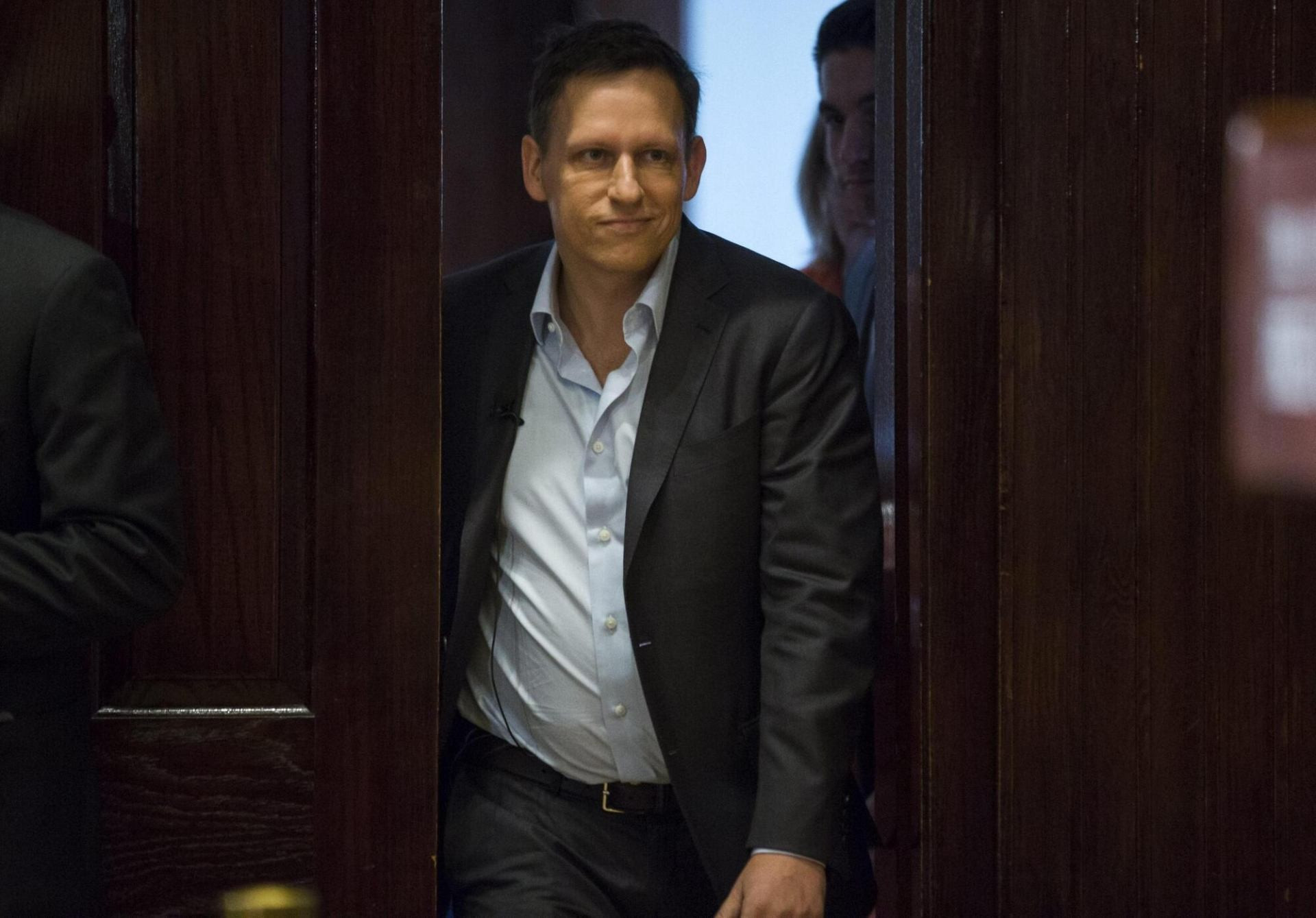
Peter Thiel’s deepening involvement in Argentina appears to be more than a high-profile real estate purchase or a series of political meetings. The billionaire technology investor, known for backing transformative ventures and identifying undervalued opportunities before the broader market, has strengthened ties with Argentine President Javier Milei amid sweeping economic reforms aimed at deregulation, fiscal discipline, and market liberalization. Reports indicate that Thiel has spent considerable time in Buenos Aires, met with senior government officials, and may be exploring opportunities tied to technology, artificial intelligence, data analytics, and broader investment initiatives. His actions are being interpreted by supporters of Milei as a vote of confidence in Argentina’s efforts to reverse decades of economic stagnation, inflation, and government intervention. Critics raise concerns about the influence of major technology firms and data-focused enterprises, but proponents argue that attracting global capital and entrepreneurial talent is precisely what Argentina needs to restore long-term growth and international competitiveness.
Sources
- https://english.elpais.com/economy-and-business/2026-04-23/tech-magnate-peter-thiel-strengthens-ties-with-milei-in-buenos-aires.html
- https://finance.yahoo.com/markets/stocks/articles/peter-thiel-buys-12-million-120108022.html
- https://peoplesdispatch.org/2026/04/27/peter-thiel-has-private-meeting-with-argentine-president-javier-milei
Key Takeaways
- Peter Thiel has significantly expanded his presence in Argentina through political engagement, extended visits, and a reported multimillion-dollar property acquisition in Buenos Aires.
- The relationship between Thiel and President Javier Milei reflects growing international interest in Argentina’s pro-market reforms, particularly in technology, artificial intelligence, and investment sectors.
- Supporters view Thiel’s involvement as evidence that global investors are beginning to see Argentina as an emerging destination for capital and innovation after years of economic instability.
Key Takeaways
- Argentina’s shift toward deregulation and free-market policies is attracting attention from influential global investors.
- Technology, artificial intelligence, and data infrastructure appear likely to be central areas of future cooperation between international investors and the Argentine government.
- High-profile investments often serve as signaling mechanisms, encouraging additional capital inflows and improving international perceptions of economic reform efforts.
In-Depth
For decades, Argentina has served as a cautionary tale of how excessive government intervention, chronic deficit spending, currency mismanagement, and political populism can undermine a nation blessed with extraordinary natural and human resources. The arrival of Javier Milei in the presidency represented a sharp departure from that model, and few developments better illustrate growing international confidence in his agenda than the increasing presence of technology investor Peter Thiel.
Thiel is not known for making symbolic gestures. Throughout his career, he has built a reputation for identifying opportunities before they become obvious to the broader market. His reported purchase of a landmark Buenos Aires property, coupled with repeated meetings with Milei and senior government advisers, suggests he sees more than political novelty in Argentina’s transformation. He appears to see potential.
From a conservative perspective, that potential stems from policies that prioritize economic freedom over bureaucratic control. Milei’s government has aggressively pursued deregulation, spending restraint, and market-oriented reforms designed to attract investment and restore confidence in the country’s institutions. Those changes stand in stark contrast to the interventionist policies that contributed to years of inflation and economic decline.
The possibility of cooperation involving artificial intelligence, advanced technology, and data-driven industries is particularly significant. In the twenty-first century, nations compete not only for factories and financial capital but also for innovation ecosystems. If Argentina can establish itself as a destination for entrepreneurs, technology firms, and venture capital, it could accelerate economic recovery far beyond what traditional industries alone can achieve.
Whether Thiel’s growing involvement ultimately leads to major investments remains to be seen. Yet the broader message is already clear: influential global investors are beginning to view Argentina not as a perennial economic warning sign, but as a country attempting a serious and potentially historic free-market turnaround.