

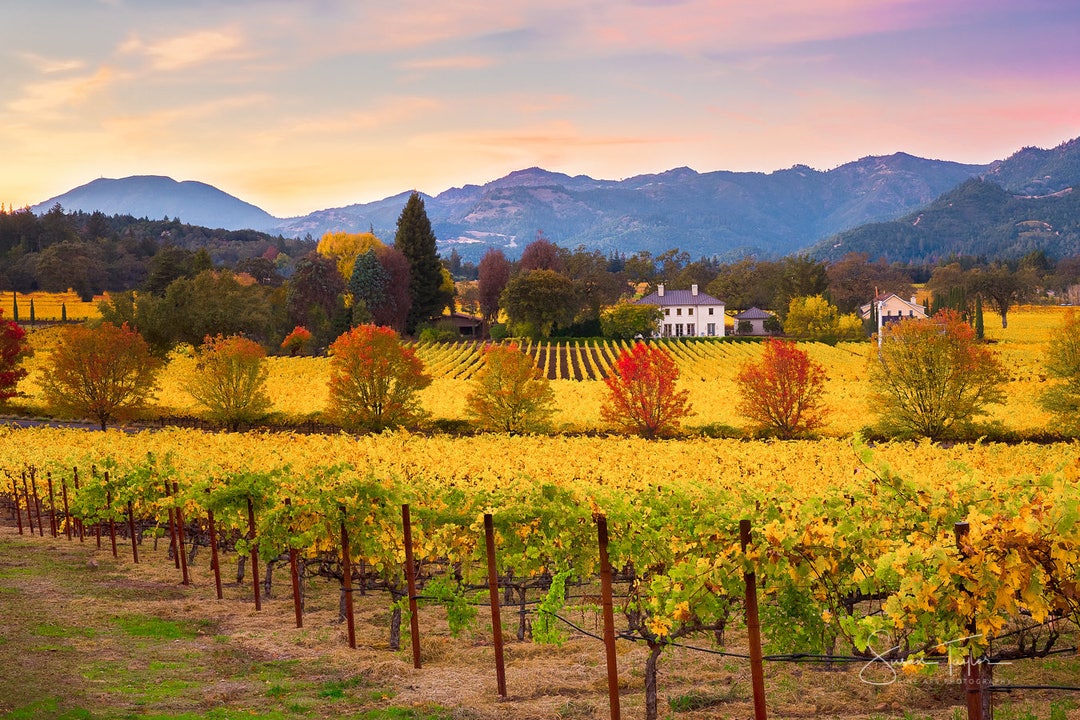
A luxury Wine Country property in California is being offered in exchange for equity in artificial intelligence giant Anthropic rather than a conventional cash transaction, underscoring how rapidly AI-generated wealth is beginning to transform high-end real estate markets. The owner of a Healdsburg estate is willing to accept approximately $2 million in Anthropic shares as part of a deal that reflects the growing concentration of wealth among employees and investors tied to private AI firms. The unusual arrangement highlights a broader trend in which private-market technology equity is increasingly being treated as a currency unto itself, particularly in California where housing markets and the technology sector have long been intertwined. As valuations for AI companies continue to surge, luxury property sellers are attempting to tap into the immense but often illiquid wealth held by executives, engineers, and investors who have yet to realize gains through public offerings. The development also raises questions about economic inequality, housing affordability, and whether the current AI boom is creating a new class of asset holders capable of reshaping regional markets in the same way the internet and social media revolutions did before it.
Sources
- https://www.sfchronicle.com/bayarea/article/wine-country-real-estate-anthropic-equity-22279387.php
- https://www.businessinsider.com/san-francisco-real-estate-prices-ai-boom-openai-anthropic-ipo-2026-5
- https://www.businessinsider.com/trade-his-4-8-million-estate-for-anthropic-shares-2026-4
- https://www.sfchronicle.com/realestate/article/anthropic-office-lease-22192053.php
Key Takeaways
- AI company equity is increasingly being viewed as a viable medium of exchange for high-value assets, particularly luxury real estate in technology-centric regions.
- The explosive rise in valuations for firms such as Anthropic is generating substantial paper wealth that has not yet been converted into traditional cash holdings, creating demand for unconventional transactions.
- The AI boom is accelerating pressure on already expensive California housing markets, potentially widening the divide between technology-sector beneficiaries and ordinary homebuyers.
In-Depth
The decision by a California property owner to accept Anthropic equity in exchange for a Wine Country estate is more than a novelty. It is an early signal that artificial intelligence wealth is beginning to alter the rules of commerce, investment, and real estate ownership in ways that could have lasting consequences.
For decades, Silicon Valley wealth followed a relatively predictable path. Entrepreneurs built companies, took them public, collected liquidity, and then purchased homes, businesses, and luxury assets. The AI era is unfolding differently. Massive valuations are being assigned to private companies long before they reach public markets, creating enormous paper fortunes for insiders whose wealth technically exists but remains difficult to access. Rather than waiting for an IPO, some investors and property owners are now attempting to transact directly with that equity.
The implications extend well beyond one estate in Wine Country. If AI company shares become accepted as a form of consideration in major transactions, a parallel economy could emerge among technology elites. Such a development would further concentrate economic influence within a relatively small segment of society already benefiting disproportionately from the AI revolution.
From a conservative perspective, the phenomenon demonstrates both the extraordinary power of innovation and the distortions created when speculative capital floods into markets. Free enterprise and technological advancement deserve celebration, but policymakers should recognize that housing affordability becomes increasingly difficult when private-company fortunes begin competing with traditional buyers for finite real estate inventory.
California has experienced versions of this cycle before during the dot-com boom and the rise of social media. What makes the AI wave different is its scale, speed, and concentration of wealth. If companies like Anthropic continue their ascent, transactions such as this may soon become far less unusual and far more consequential.