

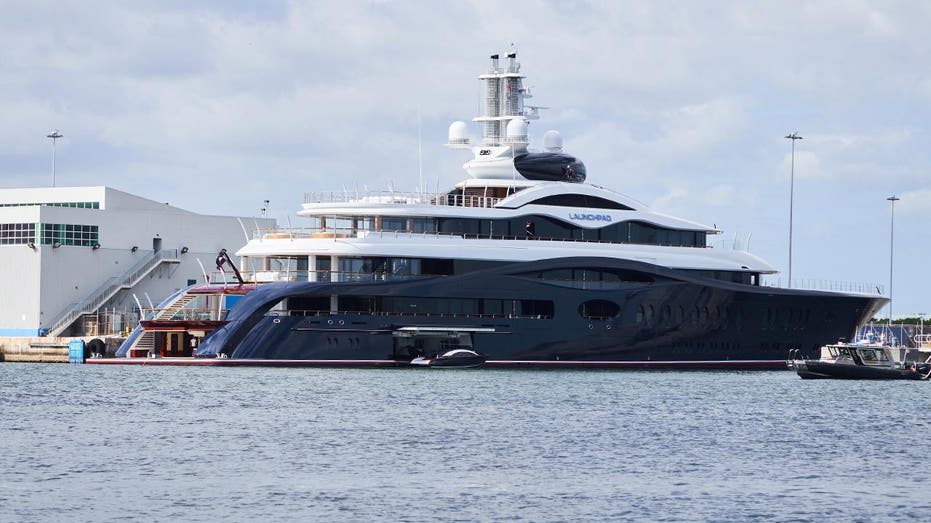
The arrival of Mark Zuckerberg‘s roughly $300 million superyacht in Seattle generated public criticism after it coincided with Meta‘s announcement of nearly 1,400 job cuts across Washington state. While there is no indication the yacht’s visit was intentionally timed to the layoffs, the optics proved difficult for the company as workers faced uncertainty and investors continued to watch Meta’s aggressive spending on artificial intelligence infrastructure. Critics argued that the juxtaposition of extraordinary executive wealth and large-scale workforce reductions highlighted a growing disconnect between corporate leadership and employees, while supporters noted that business restructuring and personal assets are separate matters. The episode nevertheless became a highly visible symbol of the broader debate surrounding Big Tech‘s priorities as companies pour billions into AI development while reducing headcount in traditional roles.
Sources
- https://nypost.com/2026/05/27/business/mark-zuckerbergs-300m-superyacht-draws-boos-cruising-into-seattle-as-meta-slashes-jobs-there
- https://www.geekwire.com/2026/photos-mark-zuckerbergs-superyacht-arrives-in-seattle-the-same-day-meta-discloses-1400-local-job-cuts
- https://www.fox13seattle.com/news/mark-zuckerberg-yacht
Key Takeaways
- Meta disclosed approximately 1,400 layoffs in Washington state, affecting about 20% of its regional workforce as the company continues shifting resources toward artificial intelligence initiatives.
- Zuckerberg’s superyacht, known as Launchpad, arrived in Seattle at virtually the same time the layoffs became public, drawing boos, criticism, and widespread social media attention.
- The controversy reflects a larger public debate over whether technology companies are prioritizing massive AI investments and executive wealth accumulation at the expense of employees and local communities.
In-Depth
The controversy surrounding Mark Zuckerberg’s superyacht arriving in Seattle demonstrates a growing frustration many Americans feel toward corporate elites and the modern technology sector. At a moment when nearly 1,400 Meta employees in Washington state learned their jobs were being eliminated, images of a 390-foot luxury vessel associated with one of the world’s wealthiest executives became an irresistible symbol of corporate excess.
Whether fair or not, public perception often matters as much as reality. There is no evidence the yacht’s arrival was coordinated with Meta’s workforce reductions, and reports indicated Zuckerberg himself was not aboard. Yet the timing underscored a broader trend visible across the technology industry. Companies that spent years expanding payrolls are now trimming staff while simultaneously investing unprecedented sums in artificial intelligence infrastructure. Meta alone is expected to spend enormous amounts on AI-related initiatives as it races to compete for leadership in the next generation of computing.
From a conservative perspective, businesses have every right to restructure, eliminate positions, and allocate capital where executives believe it will generate future growth. Markets reward efficiency, innovation, and competitiveness. However, successful companies also depend on maintaining public trust and employee confidence. When workers see layoffs occurring alongside displays of extraordinary wealth, resentment is almost inevitable.
The Seattle episode therefore became about more than a yacht. It highlighted the widening cultural divide between corporate leadership and ordinary workers. As technology firms continue their AI transformation, they may discover that managing public perception and employee morale is every bit as important as developing the next breakthrough technology.