

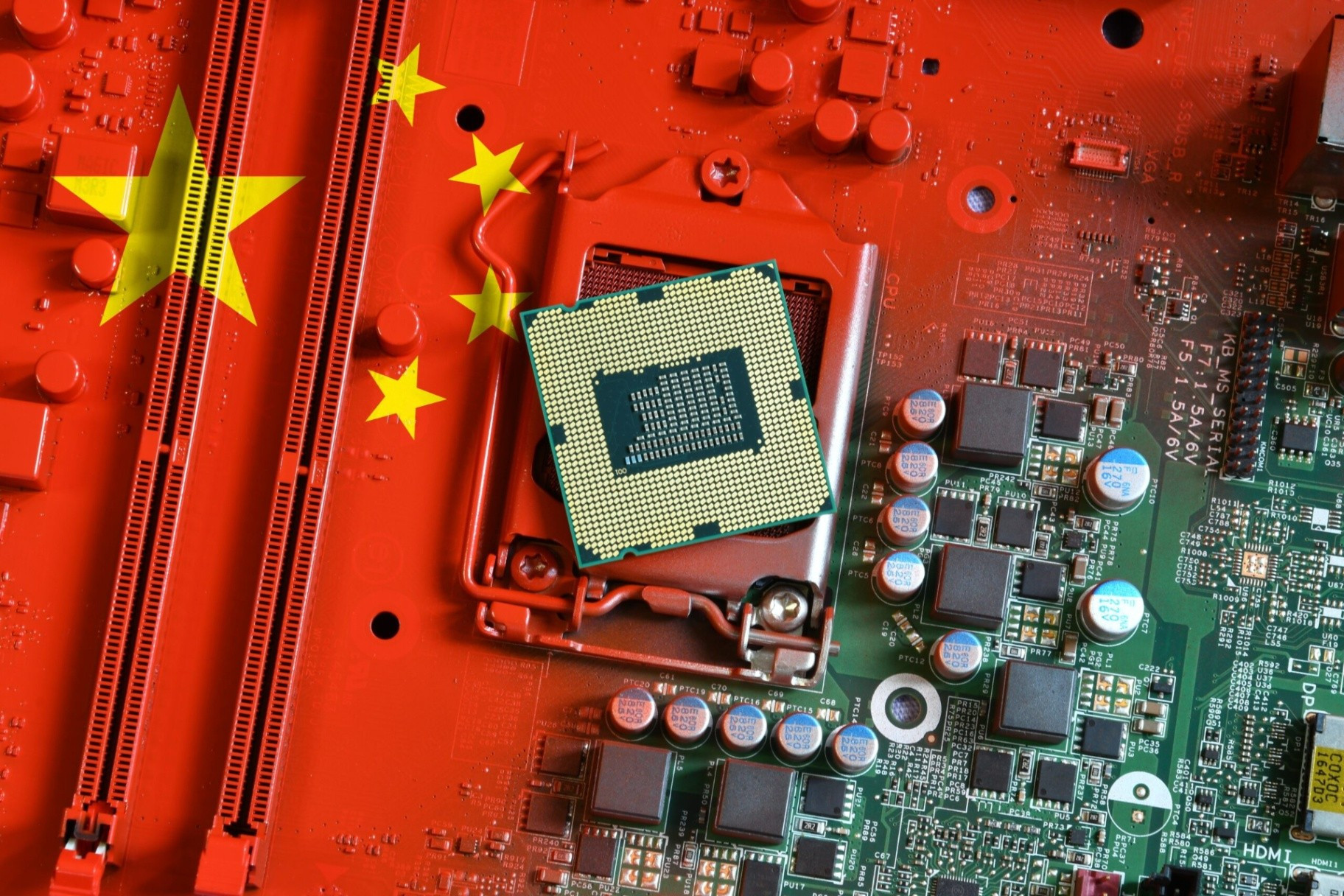
Despite successive rounds of U.S. export controls designed to deny Beijing access to advanced artificial intelligence hardware, evidence continues to emerge that Chinese firms are acquiring high-end AI chips through subsidiaries, intermediaries, and third-country networks. Recent reporting indicates that Chinese-owned entities have exploited regulatory loopholes by purchasing advanced processors through overseas affiliates in countries such as Malaysia, Singapore, and elsewhere, allowing them to obtain computing power critical for AI development. The revelations underscore a growing challenge for U.S. policymakers: restricting the transfer of advanced semiconductor technology is far easier on paper than in practice. While Washington has moved to tighten enforcement and close loopholes, experts warn that China remains highly motivated to secure advanced chips for commercial, technological, and military applications, raising questions about the effectiveness of current export-control strategies.
Sources
- https://www.theepochtimes.com/china/china-continues-to-acquire-advanced-ai-chips-via-other-countries-despite-new-us-restrictions-insiders-6042805
- https://www.tomshardware.com/tech-industry/us-closes-loophole-that-allowed-chinese-owned-subsidiaries-located-outside-china-to-buy-ai-chips-report-claims-that-hundreds-of-thousands-of-advanced-ai-chips-have-been-acquired-through-bis-blind-spot
- https://www.tomshardware.com/tech-industry/chinese-military-has-been-acquiring-nvidia-chips-even-post-washington-export-controls-research-claims-multiple-institutions-linked-to-the-pla-asked-for-nvidia-ai-chips-according-to-publicly-available-documents
- https://www.techradar.com/pro/huaweis-chairman-officially-thanks-the-us-government-for-enabling-chinas-semiconductor-industry-chain-to-truly-grow
Key Takeaways
- Chinese companies have reportedly used foreign subsidiaries and intermediary countries to obtain advanced AI chips that U.S. export controls were intended to keep out of Beijing’s hands.
- Evidence suggests entities connected to China’s military and strategic technology sectors continue seeking high-performance processors despite years of restrictions and enforcement efforts.
- U.S. sanctions have imposed costs on China’s semiconductor ambitions, but they have also incentivized domestic chip development and supply-chain independence efforts within China.
In-Depth
The latest revelations regarding China’s continued acquisition of advanced AI chips should dispel any illusion that export controls alone can prevent a determined adversary from obtaining critical technology. Washington’s restrictions were designed to slow Beijing’s progress in artificial intelligence, particularly in areas with military and national-security implications. Yet reports now indicate that Chinese firms have found multiple pathways around those barriers, leveraging subsidiaries and business entities located outside mainland China to secure the hardware they need.
From a conservative perspective, this development highlights a recurring weakness in Western policymaking. Regulations are often announced with great fanfare, only to be undermined by predictable loopholes and inconsistent enforcement. If Chinese companies can simply establish or utilize overseas affiliates to purchase restricted technology, then the policy framework was never as robust as advertised. The issue is not merely commercial competition. Artificial intelligence is increasingly viewed as a strategic asset that will shape economic power, cyber capabilities, intelligence gathering, and military effectiveness for decades to come.
At the same time, the reports illustrate an uncomfortable reality: sanctions and export controls can create incentives for self-sufficiency. Chinese technology firms, led by companies such as Huawei, have accelerated domestic semiconductor development in response to American restrictions. While China’s chip industry still trails the world’s leaders in several critical areas, its progress demonstrates that long-term strategic competition cannot be won solely by denying access to technology.
The broader lesson is that the United States must pair export controls with stronger enforcement, expanded cooperation among allies, and renewed investment in domestic innovation. Otherwise, America risks discovering that technologies it sought to restrict have merely traveled a more circuitous route into the hands of its principal geopolitical rival.