

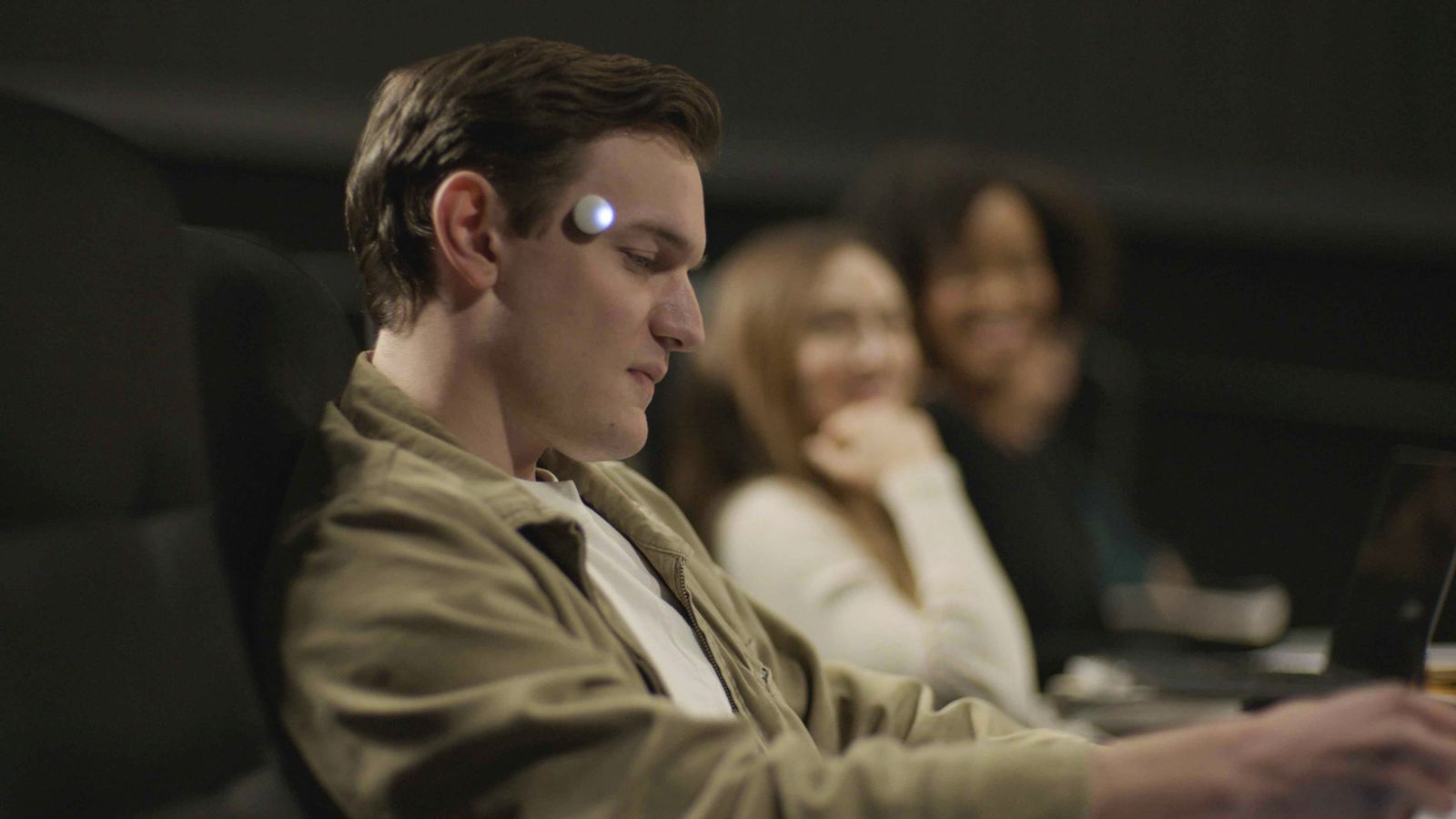
Artificial intelligence-powered recording applications and wearable devices are rapidly changing workplace culture by making the recording and transcription of conversations commonplace, often without the clear consent that many people once considered standard. New tools such as Granola and emerging AI-enabled recording devices are being embraced by technology professionals as productivity enhancers that automatically generate meeting notes, action items, and searchable transcripts. At the same time, privacy advocates and legal experts warn that widespread adoption is eroding expectations of confidentiality, creating uncertain legal exposure in states with strict consent laws, and fundamentally altering how people communicate in professional and personal settings. While supporters argue these technologies improve efficiency and institutional memory, critics contend they normalize pervasive surveillance and encourage individuals to self-censor in ways that undermine trust and candid discussion.
Sources
- https://www.wsj.com/lifestyle/workplace/ai-recording-apps-wearables-granola-39727559
- https://www.granola.ai
- https://www.wsj.com/tech/personal-tech/ai-personal-assistant-wearable-tech-impressions-28156b57
Key Takeaways
- • AI-powered transcription applications and wearable recording devices are rapidly becoming an accepted part of workplace culture, particularly within the technology sector, where productivity gains are increasingly prioritized over traditional privacy expectations.
- • Existing recording consent laws were largely written before today’s AI-powered transcription technologies emerged, leaving significant legal and ethical uncertainty for businesses, employees, clients, and consumers.
- • The normalization of always-on recording could fundamentally change human behavior by encouraging people to carefully filter what they say, potentially reducing openness, trust, and spontaneous collaboration.
In-Depth
Artificial intelligence has reached another inflection point, and this one has less to do with generating content than with collecting it. An increasing number of professionals now routinely use AI-powered applications that capture conversations, create searchable transcripts, summarize meetings, and automatically generate follow-up tasks. The technology promises undeniable productivity gains, allowing workers to focus on discussions rather than taking notes. Yet that convenience comes with a growing cost that deserves far more public scrutiny.
The expanding use of products such as Granola, along with discreet AI-enabled recording devices, reflects a broader shift toward treating every conversation as data to be preserved rather than an interaction that naturally fades with time. What was once confined to scheduled Zoom meetings is increasingly spilling into hallway conversations, client discussions, networking events, and even personal relationships. As these tools become smaller, less conspicuous, and more capable, the assumption that conversations remain private unless participants explicitly agree otherwise is steadily disappearing.
That trend raises legitimate concerns beyond simple etiquette. Many state recording laws were drafted long before artificial intelligence could instantly transcribe, summarize, categorize, and permanently archive conversations. Businesses may find themselves navigating uncertain legal territory while exposing proprietary information, confidential client communications, or sensitive personnel discussions to third-party AI systems. Even when companies promise strong security practices, the accumulation of massive conversational databases inevitably creates attractive targets for cybercriminals.
From a conservative perspective, the issue also highlights a familiar tension between technological innovation and individual liberty. Free markets have produced remarkable tools that genuinely improve productivity, but technological capability should not automatically redefine acceptable social norms. Personal privacy, voluntary consent, and freedom of expression remain foundational principles that deserve protection regardless of how sophisticated AI becomes. If individuals begin assuming that every casual conversation is being preserved indefinitely, society risks replacing candid dialogue with carefully scripted interactions driven by fear of permanent digital records.
The challenge moving forward is not whether AI note-taking technology should exist, but whether its use can be governed by clear ethical standards, transparent consent, and respect for individual privacy before constant surveillance becomes an irreversible feature of everyday life.