

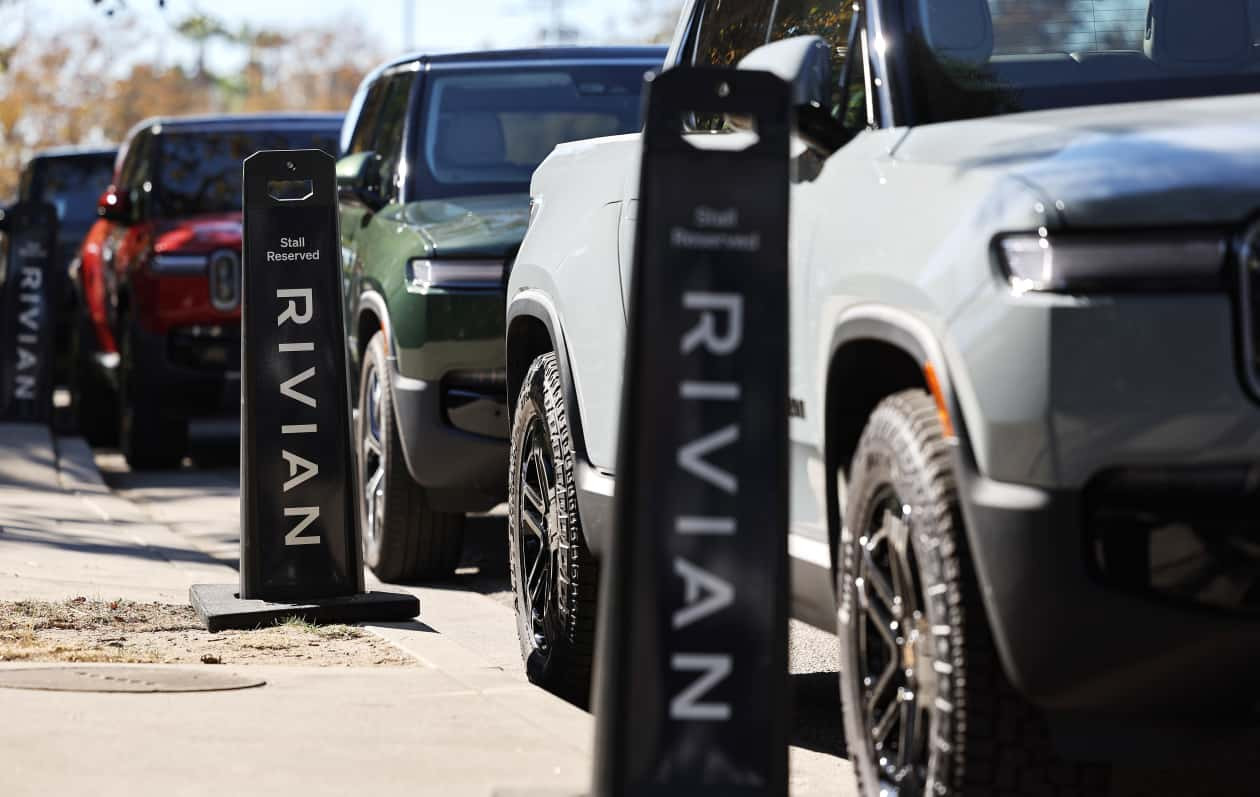
Rivian has begun deliveries of its highly anticipated R2 electric SUV while simultaneously announcing another round of layoffs affecting less than 2% of its workforce. The cuts primarily impact customer-facing, sales, marketing, and service operations as the company continues an aggressive effort to reduce costs and move toward profitability after years of substantial losses. The R2 is widely viewed as Rivian’s make-or-break vehicle, intended to expand the company beyond the premium EV niche and into the broader midsize SUV market. Company leadership maintains that the restructuring is designed to improve efficiency and support long-term growth, but the timing underscores the difficult reality facing many EV manufacturers: even as they launch promising new products, they remain under pressure to control costs, boost demand, and finally generate sustainable profits.
Sources
- https://www.sfchronicle.com/tech/article/rivian-layoffs-r2-suv-22308007.php
- https://www.reuters.com/business/autos-transportation/rivian-lays-off-hundreds-workers-wsj-reports-2026-06-16
- https://www.businessinsider.com/rivian-trims-workforce-ev-maker-r2-2026-6
- https://techcrunch.com/2026/06/16/rivian-cuts-hundreds-of-workers-after-r2-deliveries-start/
Key Takeaways
- Rivian launched the R2 SUV, its most important mass-market vehicle to date, while simultaneously reducing headcount in an effort to improve operational efficiency and accelerate its path to profitability.
- The company continues to face significant financial challenges despite reducing annual losses and increasing production targets, illustrating the broader struggles confronting the electric vehicle industry.
- Rivian’s future now rests heavily on the commercial success of the R2, which must attract mainstream buyers while generating the volume necessary to justify years of investment and expansion.
In-Depth
Rivian’s latest round of layoffs highlights a fundamental truth that many investors and policymakers have tried to ignore: building a successful automobile company remains one of the most difficult undertakings in the modern economy. Despite years of enthusiasm surrounding electric vehicles, consumer demand alone does not guarantee profitability. Companies still must control costs, streamline operations, and generate sufficient sales volume to survive.
The timing of Rivian’s workforce reductions is particularly notable because they arrived just days after the launch of the R2 SUV, a vehicle that management hopes will transform the company from a niche luxury EV manufacturer into a mainstream automotive competitor. The R2 is intended to reach a broader segment of buyers than Rivian’s premium R1T and R1S models, which helped establish the brand but have not produced consistent profits.
From a market perspective, the layoffs can be viewed as a sign of discipline rather than panic. Many growth-oriented companies delayed difficult cost-cutting decisions during the era of cheap capital and government incentives. Today’s economic environment is far less forgiving. Investors increasingly demand sustainable business models instead of promises of future profitability.
The challenge for Rivian is clear. The company has reduced losses and maintained ambitious delivery targets, but the ultimate measure of success will be whether ordinary consumers embrace the R2 in sufficient numbers. If the vehicle succeeds, the layoffs may be remembered as part of a necessary restructuring. If it falls short, they may prove to be only another step in a longer struggle facing the broader electric vehicle sector.