

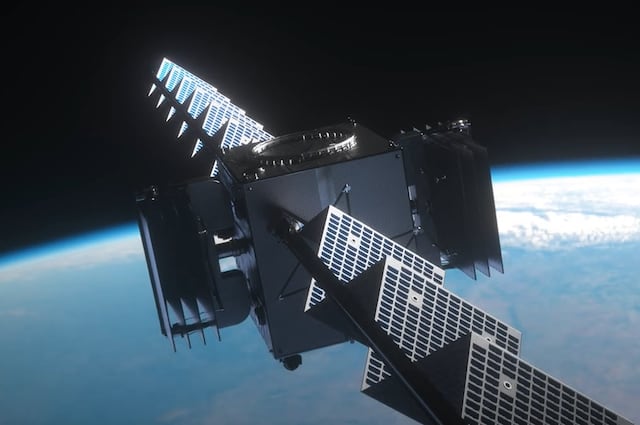
The race to build the next generation of artificial intelligence infrastructure is increasingly shifting beyond Earth’s atmosphere, as technology firms, aerospace companies, and investors pursue the concept of orbital data centers powered by continuous solar energy. Proponents argue that space-based computing could alleviate growing strains on terrestrial power grids, reduce dependence on scarce land and water resources, and unlock virtually unlimited energy supplies for AI workloads. Major players and startups alike are advancing plans ranging from satellite-based processing clusters to large-scale orbital computing networks. Yet significant technical challenges remain, including launch costs, radiation exposure, thermal management, communications bandwidth, and long-term maintenance. While skepticism persists among aerospace experts, the rapid growth of AI-driven computing demand is pushing industry leaders to explore what may become one of the most ambitious infrastructure projects of the coming decade.
Sources
- https://www.thetimes.com/business/technology/article/data-centre-companies-conquer-space-final-frontier-ln7kn7cww
- https://www.satellitetoday.com/technology/2026/06/02/are-orbital-data-centers-the-next-frontier-of-ai-infrastructure
- https://apogee-magazine.com/features/the-final-frontier-for-data/
Key Takeaways
- Growing AI demand is forcing technology companies to look beyond traditional terrestrial data centers as power, permitting, cooling, and land constraints become increasingly severe.
- Orbital data centers could theoretically exploit continuous solar energy and reduce dependence on Earth-based infrastructure, but major engineering hurdles remain unresolved.
- The emerging competition to establish first-mover advantage in space-based computing may become one of the defining technology and infrastructure races of the AI era.
In-Depth
For decades, the technology industry’s answer to increasing computing demand was simple: build bigger data centers. That model is now running into practical limits. Artificial intelligence systems require unprecedented amounts of computing power, electricity, cooling, and physical infrastructure, creating pressure on energy grids and local communities across the developed world. As a result, a growing number of companies are beginning to view space not as a science-fiction fantasy but as a potential solution to a very real economic problem.
The attraction is obvious. Solar panels operating in orbit can collect energy continuously without weather disruptions, nighttime interruptions, or land-use conflicts. Advocates contend that moving compute-intensive workloads into space could dramatically expand available energy resources while reducing the environmental and political controversies that increasingly accompany large terrestrial data-center projects.
From a conservative perspective, the appeal extends beyond energy. Space-based infrastructure represents the type of bold private-sector innovation that has historically driven American technological leadership. Rather than accepting regulatory bottlenecks, permitting delays, and grid limitations as permanent barriers to growth, entrepreneurs are searching for entirely new frontiers where innovation can flourish.
Still, enthusiasm should be tempered with realism. Radiation, heat dissipation, launch costs, and communications limitations remain formidable obstacles. Skeptics correctly note that operating massive computing facilities in orbit is far more complex than running them on Earth. Yet history is filled with examples of technologies that initially appeared impractical before becoming indispensable.
Whether orbital data centers become commonplace within five years or twenty, one thing is increasingly clear: the AI revolution is beginning to collide with the physical limits of Earth-bound infrastructure. As that collision intensifies, the commercial space industry may discover that its most lucrative destination is not Mars, but the vast computing market orbiting much closer to home.