

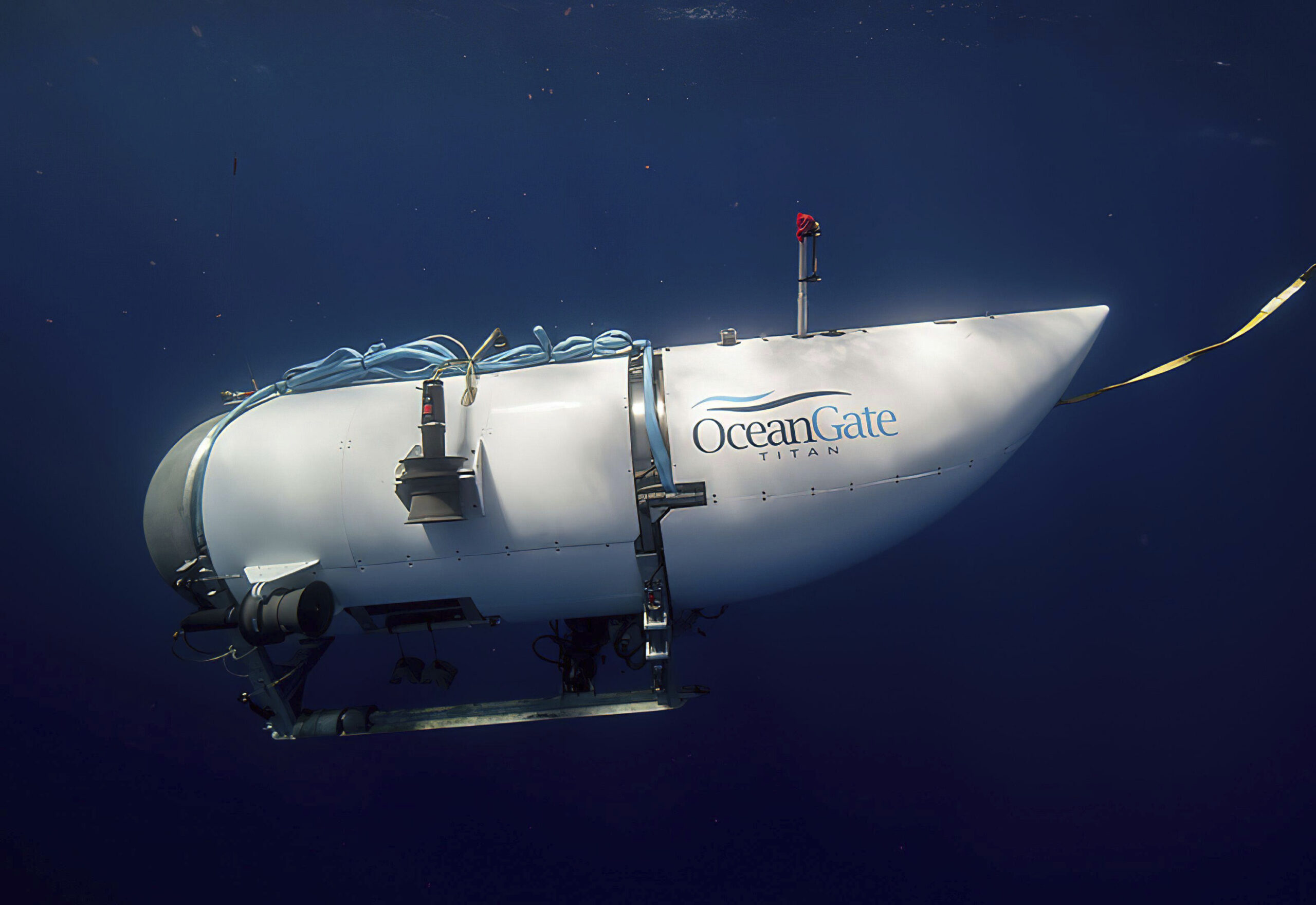
A final investigative report has concluded that the fatal implosion of OceanGate’s Titan submersible during its June 2023 expedition to the Titanic wreck was caused by a combination of flawed engineering, inadequate testing, structural defects in the carbon-fiber pressure hull, and a corporate culture that discounted safety concerns. Investigators determined that OceanGate failed to validate the true strength and durability of the vessel’s carbon-fiber hull, did not follow accepted engineering standards, and continued operating the experimental craft despite warning signs of structural degradation. The findings also highlighted regulatory gaps that allowed the uncertified submersible to conduct deep-ocean missions without meaningful oversight. The disaster claimed the lives of all five people aboard, including OceanGate CEO Stockton Rush.
Sources
- https://www.ntsb.gov/investigations/Pages/DCA23FM036.aspx
- https://www.theguardian.com/world/2026/jun/17/titan-sub-design-flaws-company-groupthink-report
- https://nypost.com/2026/06/18/world-news/cause-of-titan-submersible-implosion-that-killed-five-revealed-in-damning-final-report
Key Takeaways
- Investigators concluded that OceanGate never adequately verified whether Titan’s carbon-fiber hull could withstand repeated dives to Titanic depths, leaving critical questions about durability unanswered.
- Evidence showed that structural defects and progressive damage accumulated within the pressure hull over time, ultimately leading to catastrophic failure.
- The reports point not only to engineering shortcomings but also to a management culture that minimized risks, discouraged dissent, and operated outside traditional certification and oversight frameworks.
In-Depth
The final findings into the Titan submersible tragedy paint a picture of a catastrophe that was not simply the result of bad luck or the inherent dangers of deep-sea exploration. Rather, investigators determined that the disaster was the foreseeable outcome of a series of avoidable decisions that placed innovation and commercial ambition ahead of proven engineering discipline and safety protocols.
At the center of the investigation was Titan’s experimental carbon-fiber pressure hull. While carbon fiber offers significant advantages in weight and strength for many applications, investigators found that OceanGate failed to establish how the material would perform after repeated exposure to the immense pressures encountered nearly 12,500 feet beneath the ocean’s surface. Structural defects, inadequate testing, and the absence of full-scale validation left the company without a reliable understanding of the vessel’s true lifespan.
Equally troubling was the organizational culture surrounding the project. Reports describe an environment in which warning signs were discounted, concerns were minimized, and confidence in the company’s unconventional approach often replaced rigorous verification. From a conservative perspective, the Titan disaster serves as a reminder that technological progress is most successful when paired with accountability, transparency, and respect for established engineering standards. Innovation is valuable, but it cannot substitute for due diligence.
The investigation also exposed significant regulatory blind spots. Because Titan operated in a largely unregulated space and lacked independent certification, critical safety questions went unanswered until tragedy struck. The resulting loss of five lives stands as a stark warning that even the most ambitious private ventures must be grounded in sound engineering, rigorous oversight, and an unwavering commitment to safety.