

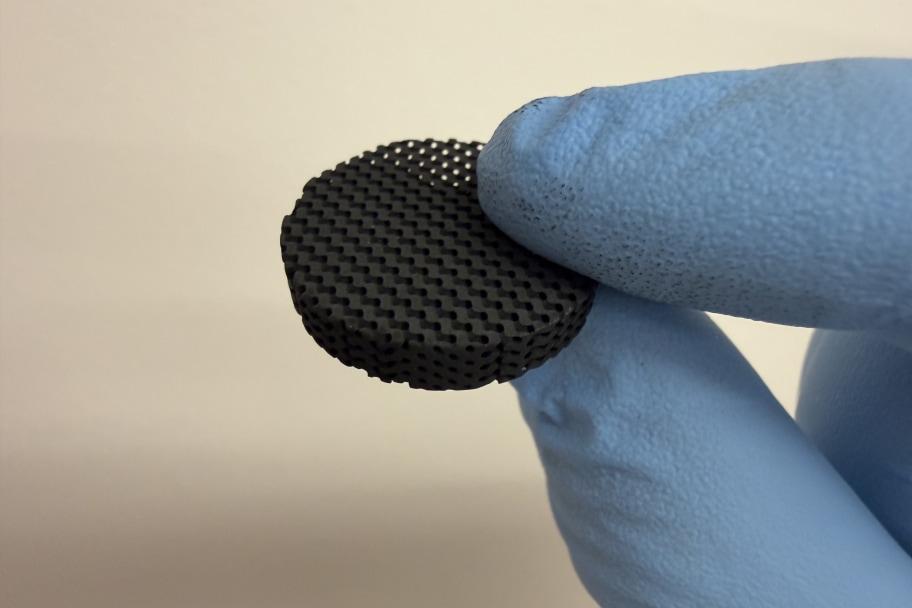
A potentially transformative shift in battery technology is emerging through the use of 3D printing, allowing batteries to be integrated directly into the structure of devices rather than being confined to traditional cylindrical or pouch-shaped cells. The technology promises lighter consumer electronics, longer-range drones, improved military systems, and eventually more efficient electric vehicles. Several startups are pursuing different approaches, from printing complete battery systems into available space within products to streamlining battery manufacturing by eliminating energy-intensive production steps. While commercialization remains in its early stages and widespread adoption may still be years away, defense and aerospace applications are becoming key proving grounds for technologies that could eventually revolutionize how energy storage is designed and manufactured.
Sources
- https://www.wsj.com/tech/battery-technology-3d-printing-c319ca9a
- https://www.3dnatives.com/en/3dstartup-materials-3d-printed-batteries-could-change-the-way-we-build-devices/
- https://techxplore.com/news/2026-04-lab-industry-3d-future-lithium.html
- https://www.sakuu.com/news/sakuu-announces-successful-3d-printing-of-fully-fu
Key Takeaways
- 3D-printed batteries could dramatically increase energy storage capacity by allowing power cells to occupy previously unusable space within devices, vehicles, and aircraft.
- Defense and aerospace applications are leading adoption because military customers can justify higher costs for advanced performance gains while the technology matures.
- The technology may prove just as important for improving battery manufacturing efficiency as for creating entirely new battery designs, potentially lowering production costs and energy consumption.
In-Depth
For decades, battery innovation has focused almost exclusively on chemistry. Engineers have chased improvements in lithium-ion cells, solid-state designs, and alternative materials, all while accepting one basic limitation: batteries must fit into predefined shapes. A new generation of companies is challenging that assumption by rethinking not what batteries are made of, but how they are manufactured.
The implications are significant. Rather than forcing designers to build products around bulky battery packs, 3D printing could allow energy storage to become part of a device’s structure itself. Drones could store energy throughout their airframes. Smart glasses could incorporate batteries directly into their frames. Future military systems could gain longer range and endurance without adding weight. Such advances would represent a fundamental redesign of modern electronics and aerospace engineering.
From a conservative perspective, one of the most encouraging aspects of this development is that much of the early momentum is being driven by private-sector innovation and defense-sector demand rather than government mandates. Entrepreneurs are pursuing practical solutions to real-world performance challenges, while military applications provide an immediate market for technologies that are not yet ready for mass consumer adoption.
The path to commercialization remains difficult. Battery technologies historically require years, and often decades, to move from laboratory success to large-scale production. Yet the growing investment, research activity, and industrial interest surrounding 3D-printed batteries suggest this field has progressed beyond mere scientific curiosity. If current efforts succeed, the next battery revolution may come not from a new chemical formula, but from a new way of building batteries altogether.