

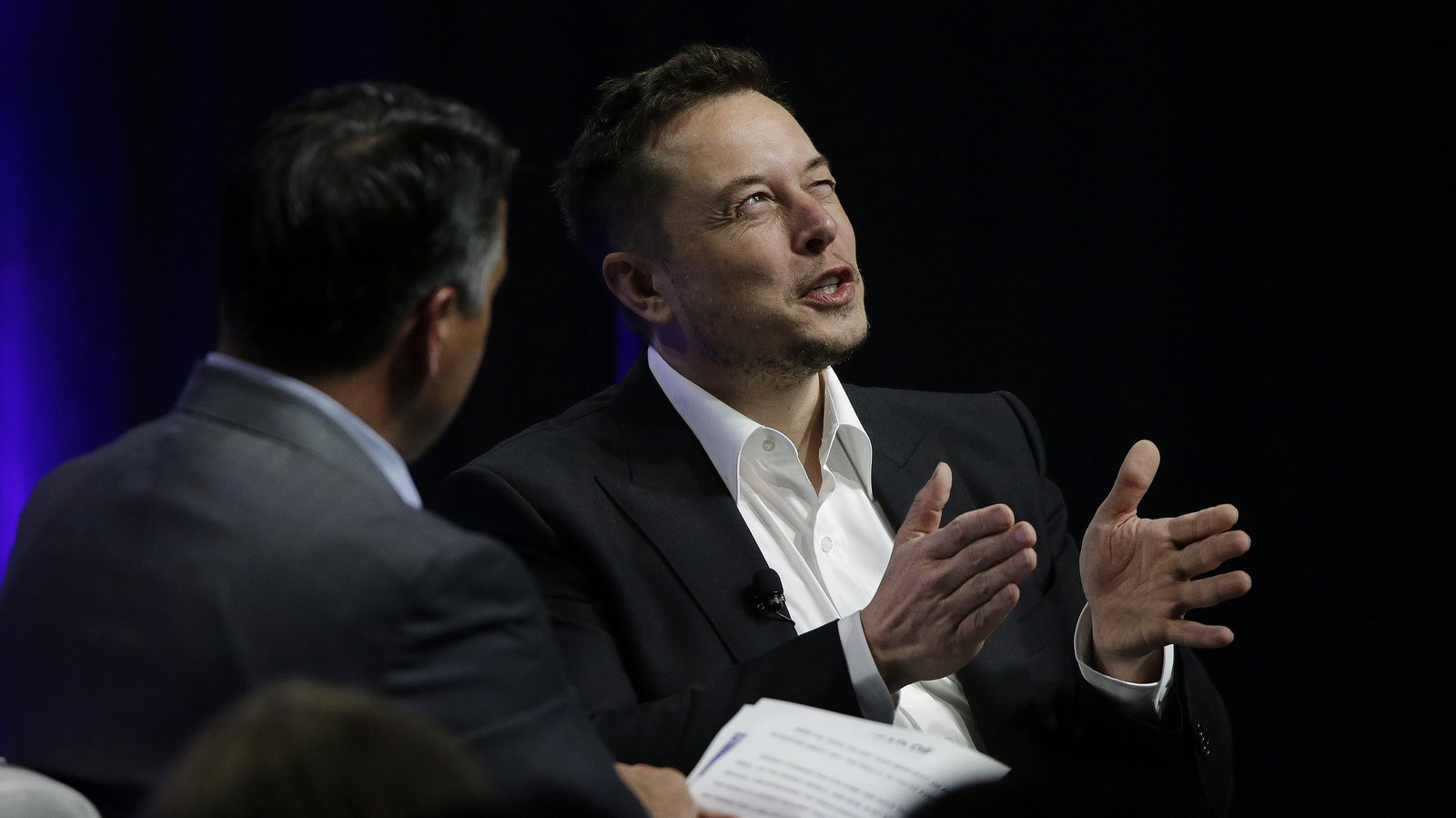
Speculation surrounding a potential merger between SpaceX and Tesla intensified after SpaceX’s historic public offering and public comments from key company figures suggesting that combining Elon Musk‘s flagship companies could eventually simplify management, strengthen integration across artificial intelligence, robotics, semiconductor manufacturing, transportation, and space technology, and further consolidate Musk’s influence over an expanding ecosystem of interconnected ventures. Supporters argue that Tesla and SpaceX already collaborate extensively and share strategic objectives, making a future combination a logical next step. Critics, however, warn that governance concerns, valuation disparities, shareholder risks, and excessive concentration of corporate power could complicate any transaction. The growing discussion reflects a broader trend in which Musk appears to be aligning his businesses into a more cohesive technology conglomerate focused on AI, automation, manufacturing, energy, transportation, and space exploration.
Sources
- https://www.businessinsider.com/tesla-spacex-merger-explained-investors-challenges-2026-6
- https://www.reuters.com/commentary/breakingviews/spacex-tesla-merger-may-be-too-big-stop-2026-06-03
- https://fortune.com/2026/06/12/spacex-tesla-merger-gwynne-shotwell-hints-elon-musk-ipo
- https://www.ft.com/content/2c7e97be-a65d-49b1-a1df-31ac2d90c3a9
Key Takeaways
- A merger between Tesla and SpaceX is increasingly being discussed as a realistic future possibility rather than a purely theoretical idea.
- Supporters believe combining the companies could accelerate artificial intelligence, robotics, semiconductor manufacturing, and advanced engineering initiatives across multiple industries.
- Significant obstacles remain, including shareholder approval, governance concerns, valuation questions, regulatory scrutiny, and the risks associated with concentrating more power under Elon Musk’s leadership.
In-Depth
The growing conversation surrounding a potential merger between Tesla and SpaceX represents far more than a routine Wall Street deal. It reflects the emergence of a business strategy that seeks to unify several of the most ambitious technology initiatives in the world under a single corporate umbrella. With SpaceX achieving a blockbuster public offering and Tesla continuing its transition from an automaker into an artificial intelligence and robotics company, advocates see powerful strategic logic behind combining the two enterprises.
From a conservative perspective, the appeal is straightforward. Markets reward innovation, efficiency, and bold leadership. Tesla and SpaceX already share technologies, engineering talent, manufacturing expertise, and long-term objectives. A combined organization could potentially eliminate redundancies, streamline capital allocation, and accelerate development in sectors ranging from autonomous transportation to space exploration. Supporters argue that America’s competitive position against China would benefit from stronger domestic technology champions capable of executing large-scale projects without excessive bureaucratic interference.
At the same time, skeptics raise legitimate concerns. Shareholders would have to evaluate whether merging two vastly different businesses would create value or simply concentrate risk. Questions surrounding corporate governance, valuation, and oversight would likely receive intense scrutiny from investors and regulators alike. Even many supporters acknowledge that the financial and legal complexity of such a transaction would be enormous.
Still, the broader trend is unmistakable. As Musk increasingly links artificial intelligence, robotics, manufacturing, transportation, communications, and space technology, discussion of a future Tesla-SpaceX combination appears likely to continue. Whether a merger ultimately occurs or not, the debate itself highlights the growing influence of entrepreneurial vision over traditional corporate boundaries and signals that the next phase of American technological competition may be defined by integrated innovation platforms rather than standalone companies.