

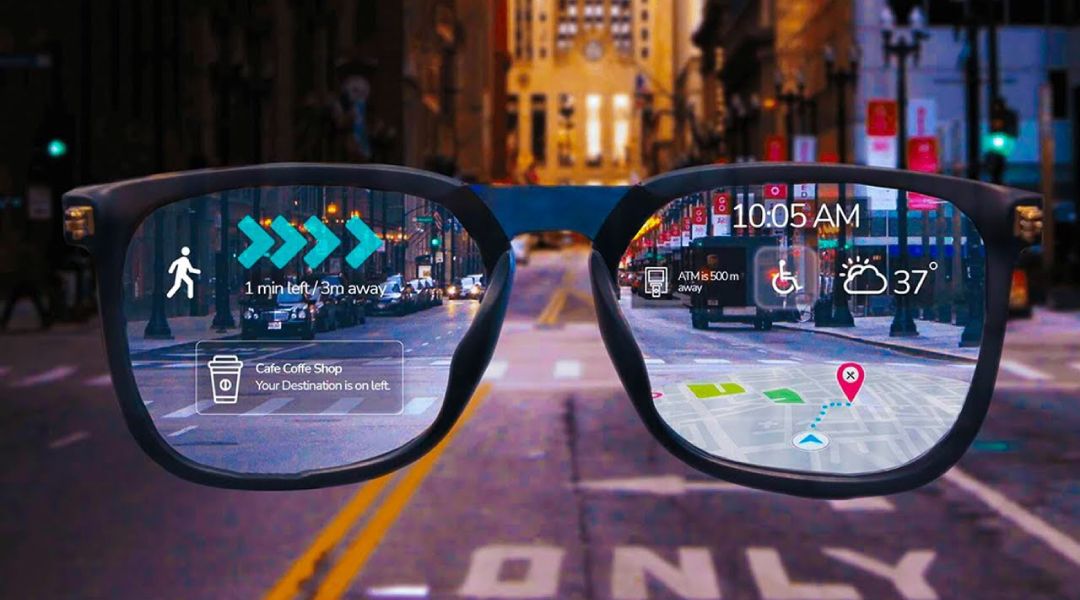
The next major battle in consumer technology may not be over hardware, but over who owns and controls the enormous volume of personal data generated by wearable devices. As artificial intelligence becomes increasingly integrated into smart glasses, rings, watches, and other wearable products, manufacturers are seeking to create tightly integrated ecosystems that keep users inside their own platforms. New generations of AI-powered wearables are designed not only to provide personalized experiences through locally stored and processed user information but also to strengthen customer loyalty by making it more difficult to switch to competing products. While companies argue that on-device data processing enhances privacy and personalization, critics warn that the same strategy could deepen consumer lock-in and further concentrate control of highly valuable personal information in the hands of a small number of technology companies.
Sources
- https://www.semafor.com/article/07/10/2026/wearable-makers-want-to-control-the-data
- https://tech.yahoo.com/wearables/articles/wearable-makers-vie-control-data-172348109.html
- https://www.semafor.com
Key Takeaways
- • AI-powered wearable devices are rapidly evolving beyond fitness trackers into intelligent personal computing platforms that depend heavily on continuous user data collection.
- • Technology companies increasingly view ownership and control of consumer data as a strategic competitive advantage, encouraging customers to remain within proprietary ecosystems.
- • Although manufacturers argue that local processing can improve privacy protections, expanding data collection raises continuing concerns about consumer choice, competition, and long-term control over personal information.
In-Depth
The wearable technology market appears poised to become the next major front in the broader artificial intelligence competition. Rather than merely selling hardware, manufacturers increasingly recognize that the real strategic asset is the steady stream of behavioral, health, location, and environmental data generated by consumers throughout the day. That information allows AI systems to become more personalized while simultaneously increasing the value of the company’s broader technology ecosystem.
From a free-market perspective, innovation and competition are producing remarkable advances in consumer technology. Smart glasses, rings, and watches promise capabilities that were unimaginable only a few years ago. However, conservatives have long argued that technological innovation should not come at the expense of individual liberty or consumer choice. As companies build ecosystems that become progressively more difficult to leave, consumers risk surrendering increasing amounts of control over their personal information in exchange for convenience.
The emerging marketplace will likely reward companies that successfully balance innovation with transparency. Consumers generally welcome better personalization and AI assistance, but they also expect meaningful ownership of their own data and the freedom to move between competing platforms without sacrificing years of accumulated personal information. As wearable devices become as commonplace as smartphones, the debate will increasingly center not only on what these devices can do, but on who ultimately controls the digital lives they continuously record.