

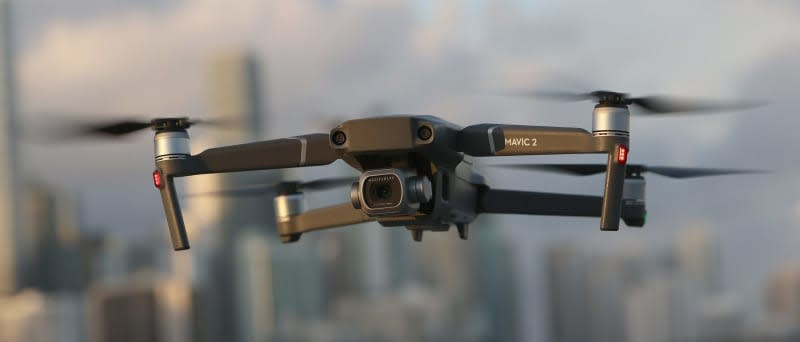
Executives from several Chinese autonomous aviation companies are deliberately distancing themselves from the word “drone,” arguing that the term has become synonymous with warfare, surveillance, and security threats rather than innovation or civilian transportation. At the U.N.’s AI for Good summit in Geneva, representatives from companies producing self-flying cameras, autonomous passenger aircraft, and so-called flying cars said consumers increasingly associate “drones” with military conflict and government restrictions. As a result, companies are rebranding their products with consumer-friendly labels intended to emphasize recreation, photography, personal mobility, and civil aviation. The shift also reflects growing regulatory scrutiny in Western markets, particularly the United States, where concerns over Chinese technology and national security have complicated market access for several manufacturers. While the underlying technology remains largely the same, industry leaders believe changing the language surrounding autonomous aircraft is essential to improving public acceptance and commercial adoption.
Sources
- https://www.semafor.com/article/07/10/2026/aviation-executives-want-nothing-to-do-with-the-word-drone
- https://finance.yahoo.com/technology/articles/aviation-executives-want-nothing-word-164544292.html
- https://www.semafor.com/author/jd-capelouto
Key Takeaways
- • Manufacturers increasingly view the word “drone” as a marketing liability because it has become closely associated with military operations, surveillance, and public safety concerns.
- • Companies are repositioning autonomous aircraft as self-flying cameras, flying cars, or civil aviation platforms in an effort to broaden consumer acceptance and reduce negative perceptions.
- • Regulatory pressure and geopolitical concerns surrounding Chinese aviation technology are reinforcing the industry’s push to redefine how autonomous aircraft are presented to consumers and policymakers.
In-Depth
The autonomous aviation industry is learning a lesson that businesses across countless sectors have discovered over the years: words matter. As unmanned aircraft become more sophisticated and move beyond hobbyist applications into passenger transportation, commercial photography, emergency response, and logistics, manufacturers increasingly recognize that the label “drone” now carries considerable political and emotional baggage. For many consumers, the term immediately evokes images of military strikes, surveillance operations, and battlefield technology rather than innovation or convenience.
That perception problem has become particularly acute for Chinese manufacturers seeking greater acceptance in Western markets. Even when their products are designed exclusively for civilian use, they face skepticism fueled by national security concerns and heightened geopolitical tensions. Rebranding these aircraft as self-flying cameras, flying cars, or autonomous aviation systems represents an effort to separate commercial innovation from the military associations that have become attached to the word “drone.”
From a conservative perspective, the public’s caution is understandable. National security concerns involving foreign-made technology are legitimate, especially when advanced aviation systems collect data or operate within domestic airspace. Companies may successfully change their marketing language, but policymakers and consumers are unlikely to ignore questions surrounding supply chains, cybersecurity, data privacy, and foreign government influence.
Ultimately, changing terminology may improve product marketing, but it will not eliminate the need for rigorous oversight. Public trust will depend less on clever branding than on transparent technology, strong regulatory safeguards, and confidence that these autonomous aircraft—whatever they are called—operate safely while protecting both individual privacy and national security.