

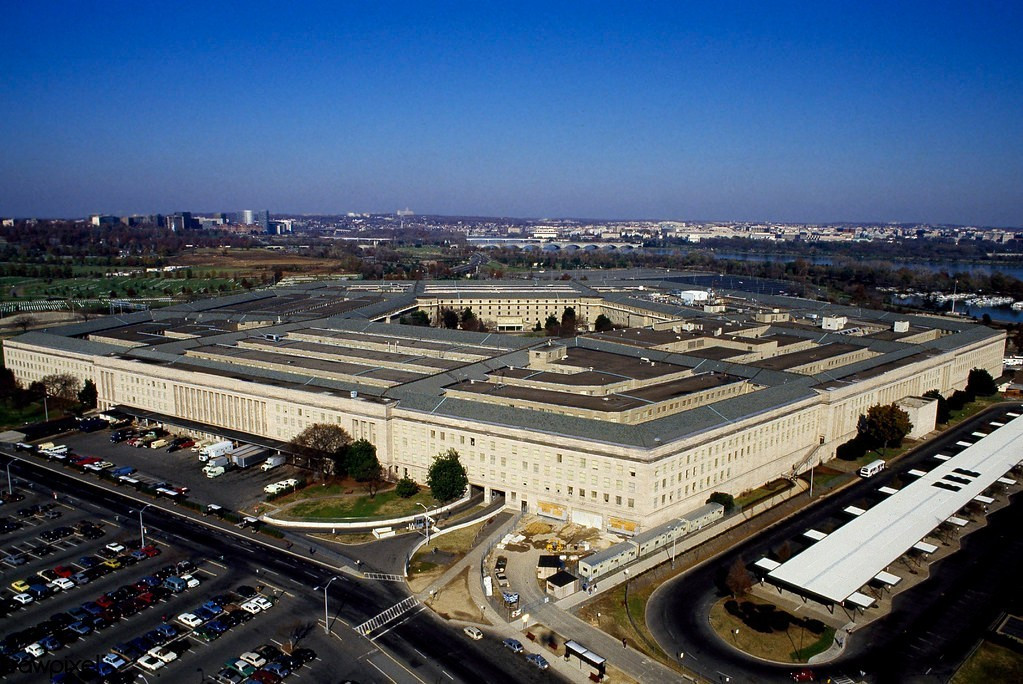
OpenAI CEO Sam Altman has announced a formal partnership with the U.S. Department of Defense that will allow the Pentagon to access certain OpenAI technologies under a framework of defined “technical safeguards,” marking a notable expansion of artificial intelligence collaboration between Silicon Valley and the federal government. The agreement is designed to provide advanced AI capabilities to defense agencies while maintaining restrictions intended to prevent misuse, including guardrails on autonomous weapons applications and human-in-the-loop oversight requirements. The deal reflects the Pentagon’s accelerating push to integrate commercial AI tools into national security operations amid intensifying global competition, particularly with China, while also highlighting ongoing tensions within the tech sector over military involvement. Altman emphasized that the partnership would focus on defensive, analytical, and administrative applications rather than offensive weapons systems, framing the move as a responsible step toward ensuring U.S. leadership in AI development while embedding safety constraints directly into deployment frameworks.
Sources
https://www.reuters.com/technology/openai-pentagon-ai-partnership-2026-02-28
Key Takeaways
- The partnership grants the Department of Defense structured access to OpenAI technology while imposing technical guardrails and oversight mechanisms.
- The agreement reflects Washington’s broader strategy to accelerate AI adoption in national security amid global competition.
- The collaboration underscores ongoing debate within the technology sector about military use of advanced AI systems.
In-Depth
The Pentagon’s embrace of commercial artificial intelligence has been years in the making, but this agreement formalizes a deeper integration between one of the world’s leading AI developers and the U.S. defense establishment. At its core, the partnership is structured to balance capability with constraint. OpenAI has emphasized that its models will operate within technical safeguards designed to prevent fully autonomous lethal decision-making and to ensure human oversight remains central.
For the Department of Defense, the appeal is clear. AI tools can process intelligence data, streamline logistics, enhance cybersecurity defenses, and support strategic planning at a speed no human workforce could match. In an era defined by rapid technological advancement from geopolitical competitors, Washington views such partnerships as essential to maintaining a strategic edge.
Still, skepticism persists within parts of the tech community, where previous defense contracts have triggered employee backlash and public controversy. By publicly outlining safeguards, OpenAI appears to be attempting to thread the needle—supporting national defense while distancing itself from direct weapons deployment.
The broader implication is unmistakable: artificial intelligence is no longer a speculative future tool but a present-tense component of national power. As the federal government deepens ties with private innovators, the debate will not be about whether AI should be used in defense, but how tightly its use is controlled.