

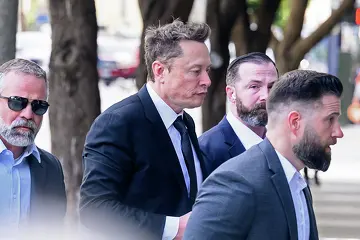
A high-profile securities trial involving Elon Musk and his 2022 purchase of Twitter has taken a dramatic turn after Musk’s legal team formally asked a federal judge in San Francisco to declare a mistrial, arguing that the courtroom environment and jury pool have become irreparably biased against the tech entrepreneur. The lawsuit, filed by former Twitter shareholders, claims Musk manipulated the company’s stock price through public statements and tweets about fake accounts and the status of the acquisition, allegedly causing the stock to fall before he ultimately purchased the company for $44 billion. Musk has testified that his comments reflected legitimate concerns about the platform and were not intended to influence market prices. However, his attorneys now contend that the trial has been compromised by procedural issues and widespread hostility toward Musk in the San Francisco community, pointing to juror statements expressing dislike of the billionaire and accusing opposing lawyers of repeatedly violating court rulings during testimony. The mistrial motion argues that the cumulative effect of alleged misconduct, judicial intervention, and community bias makes a fair verdict impossible, raising the possibility that the trial could be restarted with a new jury if the court agrees.
Sources
https://www.sfchronicle.com/tech/article/elon-misk-twitter-lawsuit-mistrial-22024366.php
https://apnews.com/article/elon-musk-twitter-lawsuit-shareholders-stock-3fa8783666737839cdd7331fec1bf61d
https://electrek.co/2026/03/08/elon-musk-moves-mistrial-twitter-securities-fraud-trial/
Key Takeaways
- Elon Musk’s legal team has asked a federal judge to declare a mistrial in a shareholder lawsuit alleging he manipulated Twitter’s stock price prior to completing the 2022 acquisition.
- The defense argues the trial has been compromised by jury bias, alleged violations of courtroom rulings by opposing attorneys, and judicial conduct that Musk’s lawyers claim undermined fairness.
- The case centers on whether Musk’s public statements about bot accounts and the acquisition process were legitimate commentary or calculated efforts to depress the company’s stock price before purchase.
In-Depth
The ongoing shareholder lawsuit surrounding Elon Musk’s acquisition of Twitter—now known as X—has become one of the most closely watched legal battles involving the modern technology sector. At the heart of the dispute is a familiar theme in American corporate litigation: whether a powerful executive used public statements to influence markets in a way that harmed investors. Former Twitter shareholders allege that Musk violated federal securities laws by making statements that cast doubt on the company’s value and the viability of the acquisition deal. According to the plaintiffs, those remarks contributed to a decline in Twitter’s stock price during the months leading up to Musk’s $44 billion purchase in October 2022.
Musk’s defense has taken a different view of the events. The billionaire has testified that his comments about fake accounts, spam, and the possibility of pausing the deal were legitimate concerns about the accuracy of the company’s user metrics and the health of the platform he intended to acquire. From that perspective, Musk’s public commentary was less about manipulating markets and more about openly discussing business realities that investors already understood. Supporters of that argument point out that executives and investors frequently express opinions about companies during negotiations, especially in complex technology acquisitions where key metrics—such as user authenticity—can materially affect valuation.
Yet the trial has unfolded in an atmosphere of intense public scrutiny, and that environment has become central to Musk’s mistrial request. During jury selection, numerous potential jurors reportedly acknowledged negative views about Musk, forcing the court to dismiss dozens of candidates before seating the final panel. Musk’s lawyers argue that this hostility reflects a broader cultural and political climate in San Francisco, a city whose tech and political establishment has often clashed with the entrepreneur since he purchased the platform and reshaped its policies.
The mistrial motion also accuses the plaintiffs’ legal team of repeatedly raising issues that the judge had previously ruled off-limits, including Musk’s earlier disclosures to regulators about his accumulation of Twitter stock before announcing his stake publicly. According to the defense, those references were designed to create the impression of broader wrongdoing unrelated to the specific claims before the jury. The filing further criticizes moments during testimony when the presiding judge intervened in questioning, arguing that such interventions appeared to favor the plaintiffs and undermined the defense’s ability to present its case.
If the judge grants the mistrial request, the case could be restarted from the beginning with a new jury—an outcome that would extend an already lengthy legal saga tied to Musk’s takeover of the social-media platform. If the motion is denied, the trial will continue toward a verdict that could have significant implications not only for Musk personally but also for how corporate leaders communicate during major transactions.
Beyond the immediate legal stakes, the dispute underscores a larger tension in modern financial markets. In an era when CEOs frequently speak directly to millions of people through social media, the line between personal opinion, corporate disclosure, and potential market influence can become blurred. The outcome of this case may therefore shape how courts interpret those boundaries going forward—particularly when the speaker happens to be one of the most recognizable and polarizing figures in global technology.