

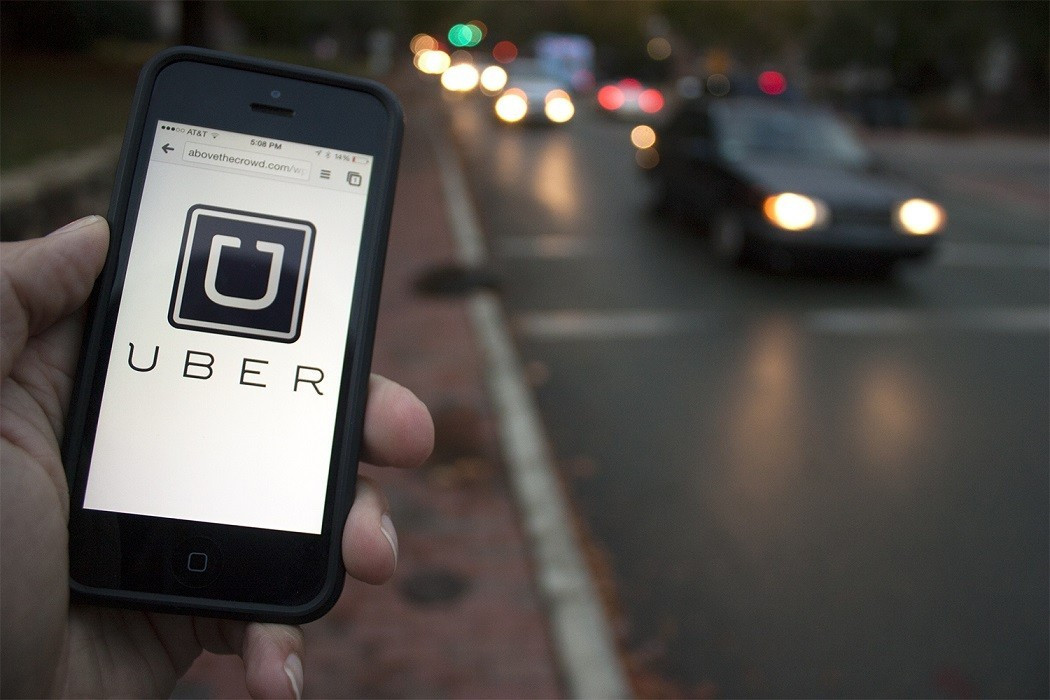
A sharp rise in gasoline prices—driven largely by global instability and energy supply disruptions—is hitting rideshare drivers particularly hard, cutting into already thin margins and forcing many to rethink how, when, and even whether they continue working. With fuel costs climbing toward or above $4 per gallon nationally, drivers for platforms like Uber and Lyft are absorbing the burden because they operate as independent contractors responsible for their own expenses, with limited ability to raise fares. While both companies have rolled out temporary relief measures such as cash-back fuel programs, modest incentives, and past surcharges, many drivers say these efforts amount to little more than a temporary patch on a deeper structural problem. Some are driving longer hours, declining less-profitable trips, or exploring alternatives like electric vehicles, but the transition remains costly and impractical for many. The result is a growing strain on the gig economy’s workforce, where rising operational costs are outpacing earnings and threatening the sustainability of app-based driving as a viable income source.
Sources
https://apnews.com/article/ec141de0d1a6c26fe8b488d8b34695fe
https://www.reuters.com/business/world-at-work/lyft-rolls-out-driver-relief-program-us-fuel-prices-climb-2026-03-25/
https://www.businessinsider.com/business-insider-today-sunday-newsletter-gas-prices-impact-2026-3
Key Takeaways
- Rising fuel costs are significantly eroding rideshare drivers’ take-home pay, forcing longer hours and selective trip acceptance.
- Company relief efforts—such as fuel cash-back programs and temporary incentives—are widely viewed as insufficient to offset sustained cost increases.
- Structural limitations in the gig economy, including fixed pricing and independent contractor status, leave drivers exposed to volatility without meaningful protections.
In-Depth
The current surge in gasoline prices has exposed a fundamental weakness in the rideshare business model: drivers bear nearly all of the operational risk while having little control over pricing. As fuel costs climb sharply—driven by geopolitical instability and supply disruptions—drivers are finding themselves squeezed between fixed fares and rising expenses. Unlike traditional employees, they cannot pass those costs along to customers, nor do they receive meaningful reimbursement from the platforms they rely on for income.
This imbalance is prompting behavioral changes across the industry. Many drivers are becoming more selective, rejecting short trips or low-paying fares that fail to justify the fuel expenditure. Others are working longer hours simply to maintain previous income levels, a trend that raises concerns about fatigue, safety, and long-term sustainability. In some cases, drivers are exiting the platform entirely or reducing their availability, which could ultimately affect service levels and wait times for customers.
Efforts by rideshare companies to address the issue have been modest and temporary. Programs offering fuel discounts or cash-back rewards provide incremental relief, but they fall short of addressing the core economic imbalance. Even under the most generous scenarios, savings of less than a dollar per gallon are unlikely to offset the broader cost increases drivers face, especially when fuel can consume a substantial portion of daily earnings.
Some drivers are exploring longer-term solutions, such as transitioning to electric vehicles, which eliminate fuel costs but introduce new barriers like high upfront expenses and charging infrastructure limitations. While companies are encouraging this shift, adoption remains uneven and far from universal.
Ultimately, the situation underscores a broader tension within the gig economy: flexibility comes at the cost of stability. As external pressures like fuel prices rise, the lack of structural safeguards leaves workers exposed, raising serious questions about whether the current model can endure sustained economic stress without significant reform.