

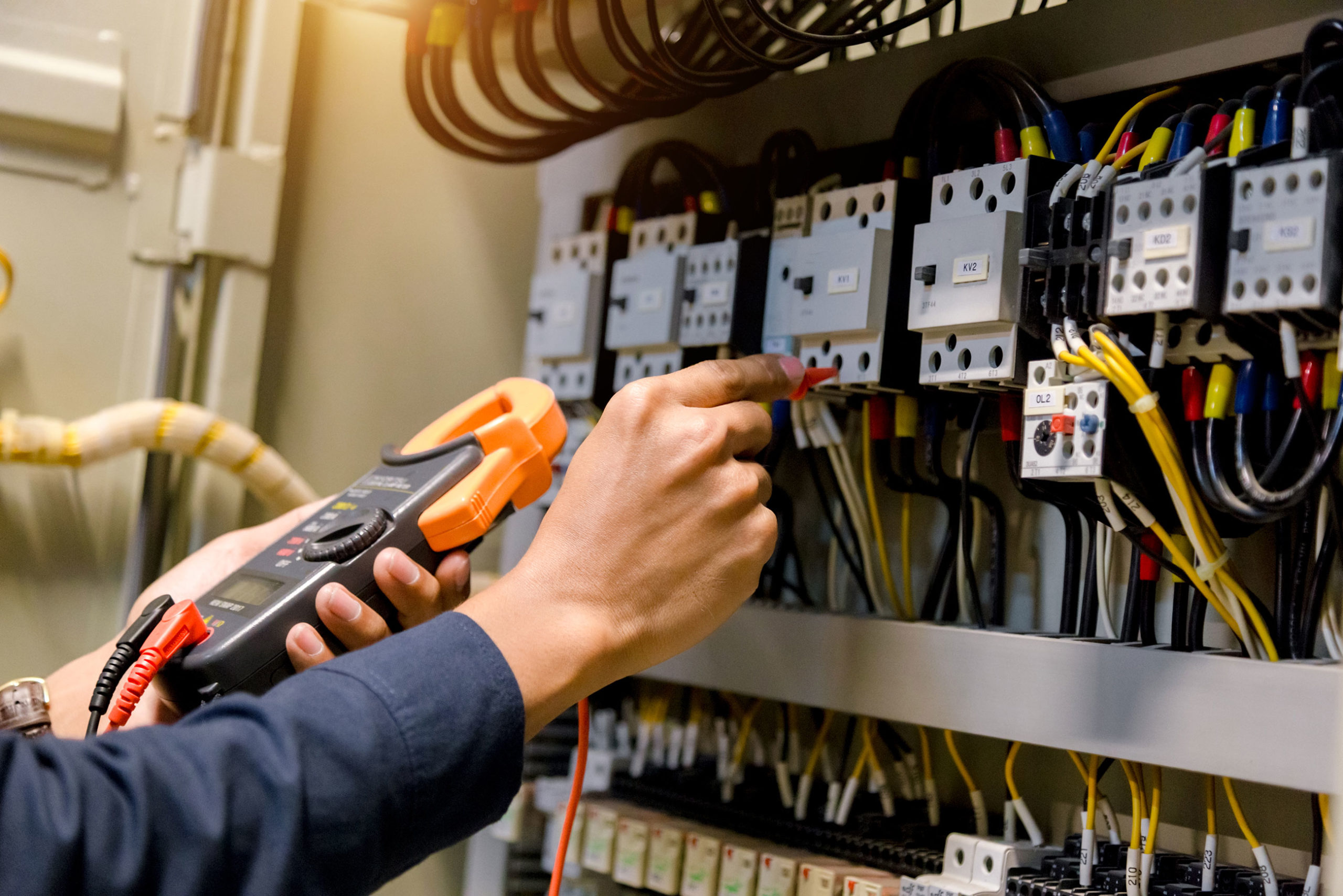
The rapid expansion of artificial intelligence infrastructure is creating an unprecedented surge in demand for skilled construction trades, particularly electricians and other specialized workers needed to build the massive data centers powering next-generation AI systems. Technology companies are increasingly recruiting experienced tradespeople with premium wages, signing bonuses, and accelerated training programs as they race to bring new computing capacity online before competitors. The construction boom is straining an already limited skilled labor pool, prompting partnerships with trade schools, unions, and apprenticeship programs to expand the pipeline of qualified workers. While the hiring surge presents significant opportunities for blue-collar workers to earn substantially higher incomes, it also raises concerns that labor shortages could delay other commercial and residential construction projects and further increase construction costs. The development illustrates that even as AI automates many white-collar tasks, it is simultaneously generating substantial demand for occupations that require hands-on physical expertise and cannot easily be replaced by automation.
Sources
- https://www.nytimes.com/2026/07/29/business/economy/data-center-electricians-training.html
- https://news.ycombinator.com/item?id=49098198
- https://digg.com/ai/mhq59nep
Key Takeaways
- AI infrastructure investment is producing strong demand for electricians, construction specialists, and other skilled trades, demonstrating that advances in artificial intelligence also create significant employment opportunities in the physical economy.
- Competition among major technology companies for qualified tradespeople is driving higher wages, expanded apprenticeship programs, and aggressive recruiting efforts, reflecting the strategic importance of rapidly deploying new data centers.
- The construction surge exposes long-standing shortages in America’s skilled-trades workforce, reinforcing the need for expanded vocational education rather than an exclusive emphasis on four-year college degrees.
In-Depth
For years, policymakers, educators, and corporate leaders pushed the narrative that America’s future depended almost exclusively on producing more software engineers and other knowledge workers. The AI revolution is exposing a more complicated reality. While artificial intelligence may automate portions of office work, it cannot construct the physical infrastructure required to power itself. Every new hyperscale data center requires thousands of hours of electrical work, mechanical installation, steel fabrication, concrete construction, and specialized systems integration before a single AI model can be trained.
That reality is transforming the labor market. Technology firms with enormous capital resources are willing to pay premium wages to secure experienced electricians and other skilled tradespeople because delays in construction can postpone billions of dollars in potential AI revenue. As companies compete to deploy ever-greater computing capacity, experienced workers have gained unprecedented leverage in the marketplace.
The broader lesson extends well beyond artificial intelligence. America’s decades-long cultural emphasis on four-year college degrees came at the expense of vocational education, leaving the country with too few qualified tradespeople precisely when massive investments in energy, manufacturing, and AI infrastructure are accelerating. Market forces are now correcting that imbalance by rewarding practical skills that cannot be outsourced or easily automated.
If current trends continue, the AI era may ultimately be remembered not only for reshaping white-collar employment, but also for restoring the economic value and prestige of skilled blue-collar professions that remain indispensable to America’s industrial and technological competitiveness.