

Close Menu

    Subscribe to Updates

    Get the latest creative news from FooBar about art, design and business.

    What's Hot

    AI Safety Researcher Resigns, Warns ‘World Is in Peril’ Amid Broader Industry Concerns

    February 15, 2026

    Amazon’s Eero Signal Introduces Cellular Backup for Home Internet Outages

    February 15, 2026

    Microsoft Warns Hackers Are Exploiting Critical Zero-Day Bugs Targeting Windows, Office Users

    February 15, 2026
    Facebook X (Twitter) Instagram
    • Tech
    • AI News
    • Get In Touch
    Facebook X (Twitter) LinkedIn
    TallwireTallwire
    • Tech

      Amazon’s Eero Signal Introduces Cellular Backup for Home Internet Outages

      February 15, 2026

      AI Safety Researcher Resigns, Warns ‘World Is in Peril’ Amid Broader Industry Concerns

      February 15, 2026

      OpenAI Disbands Mission Alignment Team Amid Internal Restructuring And Safety Concerns

      February 14, 2026

      Startup’s New Chip Tech Aims to Make Luxury Goods Harder to Fake

      February 14, 2026

      Microsoft Exchange Online’s Aggressive Filters Mistake Legitimate Emails for Phishing

      February 13, 2026
    • AI News

      Amazon’s Eero Signal Introduces Cellular Backup for Home Internet Outages

      February 15, 2026

      AI Safety Researcher Resigns, Warns ‘World Is in Peril’ Amid Broader Industry Concerns

      February 15, 2026

      Amazon Eyes Marketplace to Let Publishers Sell Content to AI Firms

      February 15, 2026

      OpenAI Disbands Mission Alignment Team Amid Internal Restructuring And Safety Concerns

      February 14, 2026

      Startup’s New Chip Tech Aims to Make Luxury Goods Harder to Fake

      February 14, 2026
    • Security

      AI Safety Researcher Resigns, Warns ‘World Is in Peril’ Amid Broader Industry Concerns

      February 15, 2026

      Microsoft Warns Hackers Are Exploiting Critical Zero-Day Bugs Targeting Windows, Office Users

      February 15, 2026

      Microsoft Exchange Online’s Aggressive Filters Mistake Legitimate Emails for Phishing

      February 13, 2026

      China’s Salt Typhoon Hackers Penetrate Norwegian Networks in Espionage Push

      February 12, 2026

      Reality Losing the Deepfake War as C2PA Labels Falter

      February 11, 2026
    • Health

      Amazon Pharmacy Rolls Out Same-Day Prescription Delivery To 4,500 U.S. Cities

      February 14, 2026

      AI Advances Aim to Bridge Labor Gaps in Rare Disease Treatment

      February 12, 2026

      Boeing and Israel’s Technion Forge Clean Fuel Partnership to Reduce Aviation Carbon Footprints

      February 11, 2026

      OpenAI’s Drug Royalties Model Draws Skepticism as Unworkable in Biotech Reality

      February 10, 2026

      New AI Health App From Fitbit Founders Aims To Transform Family Care

      February 9, 2026
    • Science

      XAI Publicly Unveils Elon Musk’s Interplanetary AI Vision In Rare All-Hands Release

      February 14, 2026

      Elon Musk Shifts SpaceX Priority From Mars Colonization to Building a Moon City

      February 14, 2026

      NASA Artemis II Spacesuit Mobility Concerns Ahead Of Historic Mission

      February 13, 2026

      AI Agents Build Their Own MMO Playground After Moltbook Ignites Agent-Only Web Communities

      February 12, 2026

      AI Advances Aim to Bridge Labor Gaps in Rare Disease Treatment

      February 12, 2026
    • People

      Google Co-Founder’s Epstein Contacts Reignite Scrutiny of Elite Tech Circles

      February 7, 2026

      Bill Gates Denies “Absolutely Absurd” Claims in Newly Released Epstein Files

      February 6, 2026

      Informant Claims Epstein Employed Personal Hacker With Zero-Day Skills

      February 5, 2026

      Starlink Becomes Critical Internet Lifeline Amid Iran Protest Crackdown

      January 25, 2026

      Musk Pledges to Open-Source X’s Recommendation Algorithm, Promising Transparency

      January 21, 2026
    TallwireTallwire
    Home»Tech»Amazon’s Satellite Internet Gamble: Leo Ultra Takes the Lead
    Tech

    Amazon’s Satellite Internet Gamble: Leo Ultra Takes the Lead

    4 Mins Read
    Facebook Twitter Pinterest LinkedIn Tumblr Email
    Amazon’s Satellite Internet Gamble: Leo Ultra Takes the Lead
    Amazon’s Satellite Internet Gamble: Leo Ultra Takes the Lead
    Share
    Facebook Twitter LinkedIn Pinterest Email

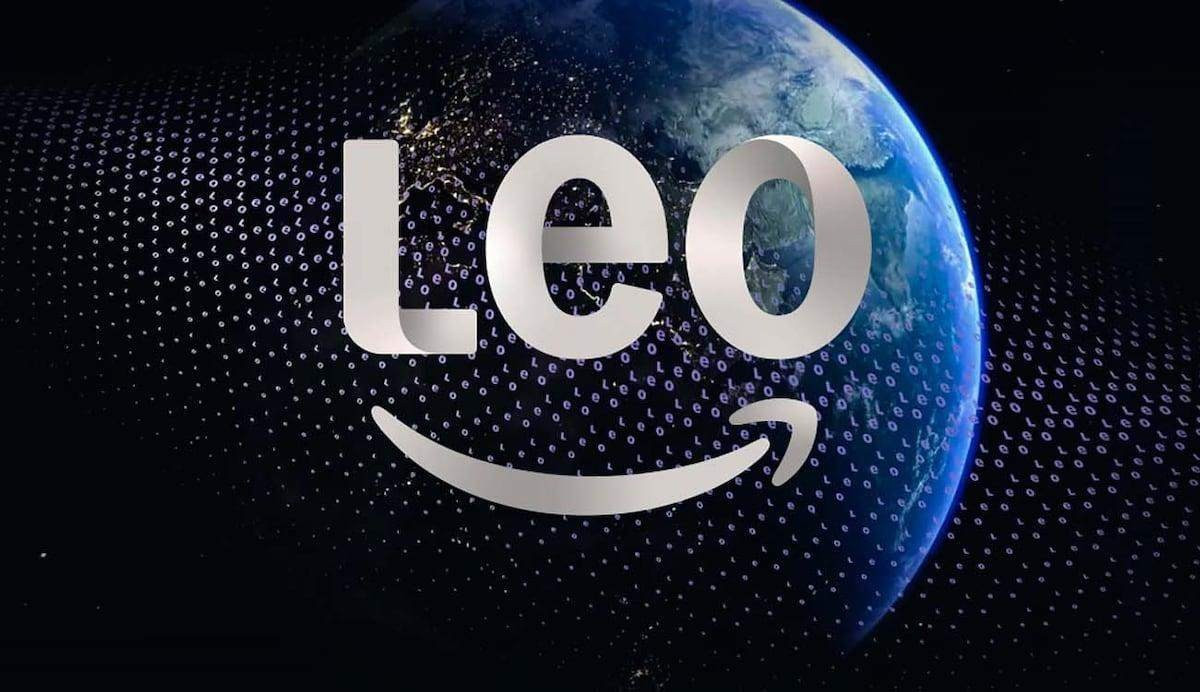
    In a bold move into the satellite internet market, Amazon has launched its enterprise-focused antenna, called Leo Ultra, under its newly branded satellite initiative Amazon Leo (formerly Project Kuiper). The 20 × 30-inch phased-array terminal is claimed to deliver download speeds of up to 1 Gbps and uploads up to 400 Mbps, while supporting direct connections to Amazon Web Services (AWS) and other private networking features. The rollout begins with business and government customers via a “private preview” program, with no firm pricing or consumer-launch date yet announced. With over 150 satellites already in orbit and plans for thousands more, Amazon is clearly aiming to challenge Starlink (by SpaceX), currently dominating the low-Earth-orbit broadband field. Early partners span aviation, energy infrastructure and logistics firms, underscoring Amazon’s enterprise emphasis and its view that connectivity is moving into operational technology and cloud-edge integration.

    Sources: Amazon, GeekWire

    Key Takeaways

    – Amazon is targeting enterprise and government customers first with Leo Ultra, offering higher speeds and private-networking features that differentiate it from consumer-oriented services.

    – The Leo Ultra terminal hits up to 1 Gbps download / 400 Mbps upload speeds and integrates directly with AWS and private network interconnects, positioning Amazon as more than just a satellite connectivity provider.

    – Although Amazon is playing catch-up in the satellite internet race, its deeper integration with cloud infrastructure and enterprise networking might give it a competitive edge especially for business users operating in remote or challenging environments.

    In-Depth

    When you’re watching the connectivity arena from the conservative business vantage, what’s unfolding at Amazon is a textbook example of an incumbent tech giant making the kind of leap that’s both risky and potentially transformative. With its satellite initiative rebranded to Amazon Leo, Amazon is making clear that it intends not just to deliver broadband to consumers, but to embed connectivity deep into enterprise operations. The Leo Ultra terminal stands out – an enterprise-grade antenna measuring 20 by 30 inches, boasting up to 1 Gbps download and 400 Mbps upload. That puts it beyond many current consumer offerings, specifically those of Starlink, which currently support up to around 400 Mbps downloads. By focusing first on business and government use-cases, Amazon is betting that customers willing to pay premium prices will jump at the chance for satellite links that tie directly into their cloud infrastructure. The key feature: connectivity isn’t just “internet” via a satellite; it’s a private pipeline to AWS or other data centres. In an era when supply-chain operations, analytics, real-time monitoring and remote sites dominate enterprise strategy, this is a major pitch.

    What makes this play especially interesting from a conservative infrastructure and security standpoint is Amazon’s emphasis on enterprise-grade privacy and control. They’re offering not just bandwidth but architecture: two networking modes, “Direct to AWS” and “Private Network Interconnect”, that bypass the public web and connect remote terminals directly into core networks or cloud backends. The promotional materials highlight how older satellite links had vulnerabilities—unencrypted GEO links exposing voice-calls, emails and remote sensors. Amazon is saying “we built this from day zero for business & secure connectivity”. To many enterprise customers (especially in energy, logistics, aviation), that differentiator matters.

    Amazon has already signed on a roster of early adopters including airlines (JetBlue) and energy firms (Hunt Energy), logistics providers and agriculture/precision-farm operations. These are high-value verticals where remote networking is critical. The “preview” phase underway lets Amazon refine operations before a broader commercial rollout next year. From a market-positioning viewpoint, Amazon is playing catch-up to Starlink in the consumer world, but it might carve out its niche in the enterprise domain where higher price-points and integration matter more than ultra-cheap consumer subscriptions.

    Of course, challenges remain. Launching thousands of satellites is still hard, regulatory and orbital logistics still apply, and SpaceX’s Starlink isn’t standing still—its next-gen satellites promise terabit-scale capacity. For Amazon to succeed, it must deliver on reliability, latency, and cost. Enterprise users will expect ultra-low downtime and predictable service, not just “attached to a satellite”. Moreover, pricing and global coverage are still unannounced, which means the business case remains untested.

    In essence, Amazon’s strategy aligns well with conservative values: infrastructure investment, private enterprise users rather than mass consumer subsidies, and secure built-in architecture rather than relying on public internet paths. If Amazon pulls it off, Amazon Leo could reshape how remote operations are connected globally—especially for businesses that cannot wait for fibre to reach remote oil rigs, farms, shipping vessels or disaster zones. The launch of Leo Ultra is therefore less about affordable consumer broadband and more about preparing for a future where connectivity is mission-critical, global, and integrated with cloud operations. The next 12–24 months will tell if Amazon can move from innovation announcement to practical deployment—and whether their enterprise-first approach outpaces the consumer-first incumbents.

    Share. Facebook Twitter Pinterest LinkedIn Tumblr Email
    Previous ArticleAmazon’s Rufus Chatbot Fuelled Big Black Friday Sales Jump
    Next Article Amazon Unveils Trainium 3 Chip — Throws Down Gauntlet to Nvidia With NVLink Roadmap

    Related Posts

    Amazon’s Eero Signal Introduces Cellular Backup for Home Internet Outages

    February 15, 2026

    AI Safety Researcher Resigns, Warns ‘World Is in Peril’ Amid Broader Industry Concerns

    February 15, 2026

    OpenAI Disbands Mission Alignment Team Amid Internal Restructuring And Safety Concerns

    February 14, 2026

    Startup’s New Chip Tech Aims to Make Luxury Goods Harder to Fake

    February 14, 2026
    Add A Comment
    Leave A Reply Cancel Reply

    Editors Picks

    Amazon’s Eero Signal Introduces Cellular Backup for Home Internet Outages

    February 15, 2026

    AI Safety Researcher Resigns, Warns ‘World Is in Peril’ Amid Broader Industry Concerns

    February 15, 2026

    OpenAI Disbands Mission Alignment Team Amid Internal Restructuring And Safety Concerns

    February 14, 2026

    Startup’s New Chip Tech Aims to Make Luxury Goods Harder to Fake

    February 14, 2026
    Top Reviews
    Tallwire
    Facebook X (Twitter) LinkedIn Threads Instagram RSS
    • Tech
    • Entertainment
    • Business
    • Government
    • Academia
    • Transportation
    • Legal
    • Press Kit
    © 2026 Tallwire. Optimized by ARMOUR Digital Marketing Agency.

    Type above and press Enter to search. Press Esc to cancel.