

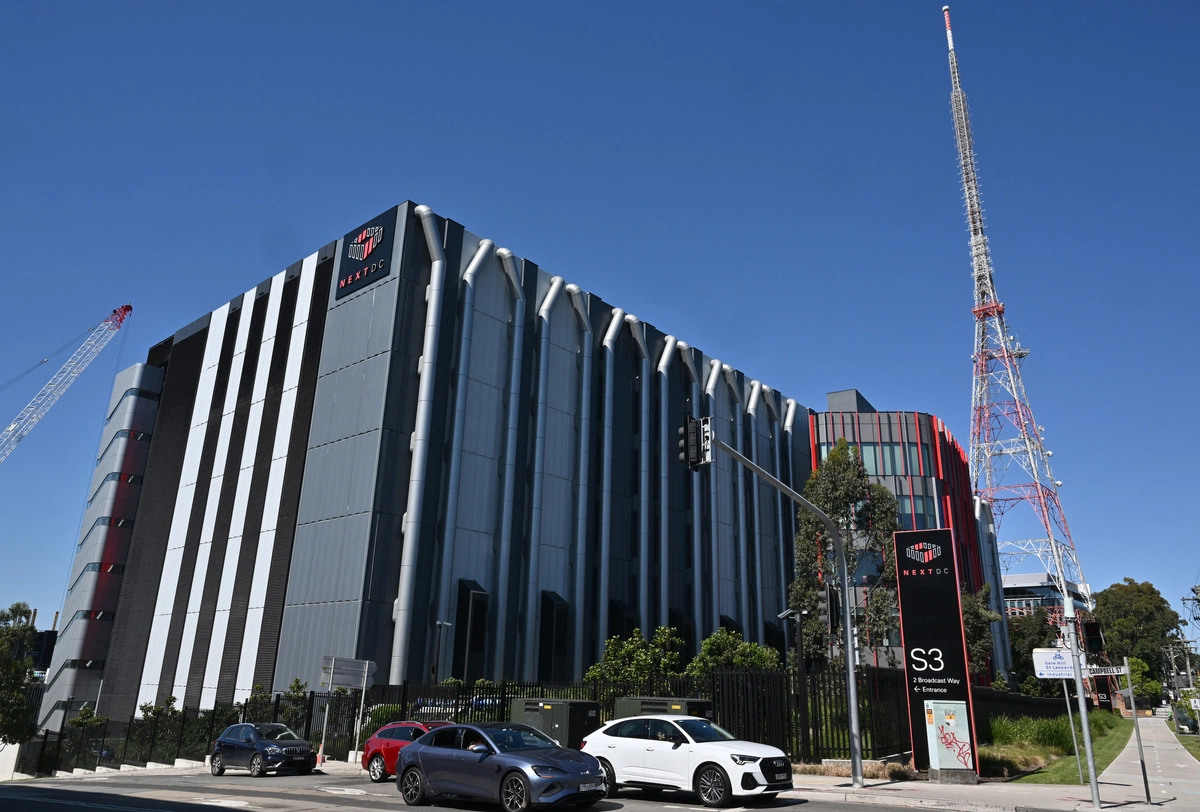
Australia is considering whether hundreds of aging suburban telephone exchanges could be repurposed into small artificial-intelligence data centers, providing a distributed alternative to massive, power-hungry facilities. During a Senate inquiry into AI and data centers, researchers argued that hundreds of existing exchange sites could support one to two megawatts of computing capacity apiece and collectively provide gigawatts of capacity close to Australian population centers. The facilities would primarily handle AI inference—running models already trained elsewhere—rather than the enormous computing loads required to train frontier models. The proposal also feeds a broader debate over “sovereign AI,” with experts questioning whether simply allowing multinational technology companies to train proprietary models on Australian soil meaningfully strengthens domestic technological capabilities.
Key Takeaways
- Hundreds of existing telephone exchanges could potentially become distributed AI inference centers, allowing Australia to expand computing capacity without relying exclusively on enormous centralized data-center campuses.
- The concept builds on earlier plans to transform hundreds of legacy exchanges into edge-computing facilities, although some exchange properties have instead been sold for residential and commercial redevelopment as copper telecommunications infrastructure is retired.
- The larger policy question concerns sovereign capability: hosting foreign-owned AI infrastructure does not necessarily give Australian researchers, businesses or government meaningful access to the underlying frontier models, intellectual property or technology.
In-Depth
Australia’s debate over artificial-intelligence infrastructure is beginning to expose a distinction between building centralized data centers and making better use of infrastructure already in place. One proposal before a Senate inquiry would repurpose hundreds of suburban telephone exchanges as smaller computing facilities capable of handling AI inference—the everyday operation of already-trained models.
The concept has practical appeal. Hundreds of exchange buildings already sit close to population centers and telecommunications networks. An expert appearing before the inquiry estimated individual sites could accommodate one to two megawatts of computing capacity. Distributed across hundreds of locations, that could create national computing capability without requiring every new workload to be concentrated in massive campuses.
There are limits. Smaller facilities would be better suited to inference than the extraordinarily power-intensive process of training frontier AI models. Yet that limitation may also sharpen the policy question Australia needs to answer: whether domestic infrastructure should primarily serve Australian businesses, consumers and government agencies, or subsidize enormous facilities used by multinational technology companies to train proprietary systems.
The idea is not entirely new. Plans dating back years contemplated converting hundreds of Australian telephone exchanges into edge-computing locations, while other legacy exchanges have instead been sold for redevelopment.
For policymakers, repurposing useful assets deserves serious consideration before committing scarce electricity, land and infrastructure to giant new projects. A distributed approach could preserve existing facilities, put computing closer to users, reduce latency and broaden capacity while leaving large-scale training to locations where its extraordinary power demands can be economically justified.
Sources
- https://www.theepochtimes.com/world/could-old-suburban-phone-exchanges-become-mini-ai-data-centres-6093539
- https://www.itnews.com.au/news/telstras-edge-compute-network-to-comprise-650-repurposed-exchanges-555827
- https://www.datacenterdynamics.com/en/news/telstra-sells-central-offices-in-sydney-and-melbourne-to-developers/
- https://services.ga.gov.au/gis/rest/services/Telephone_Exchanges/MapServer