

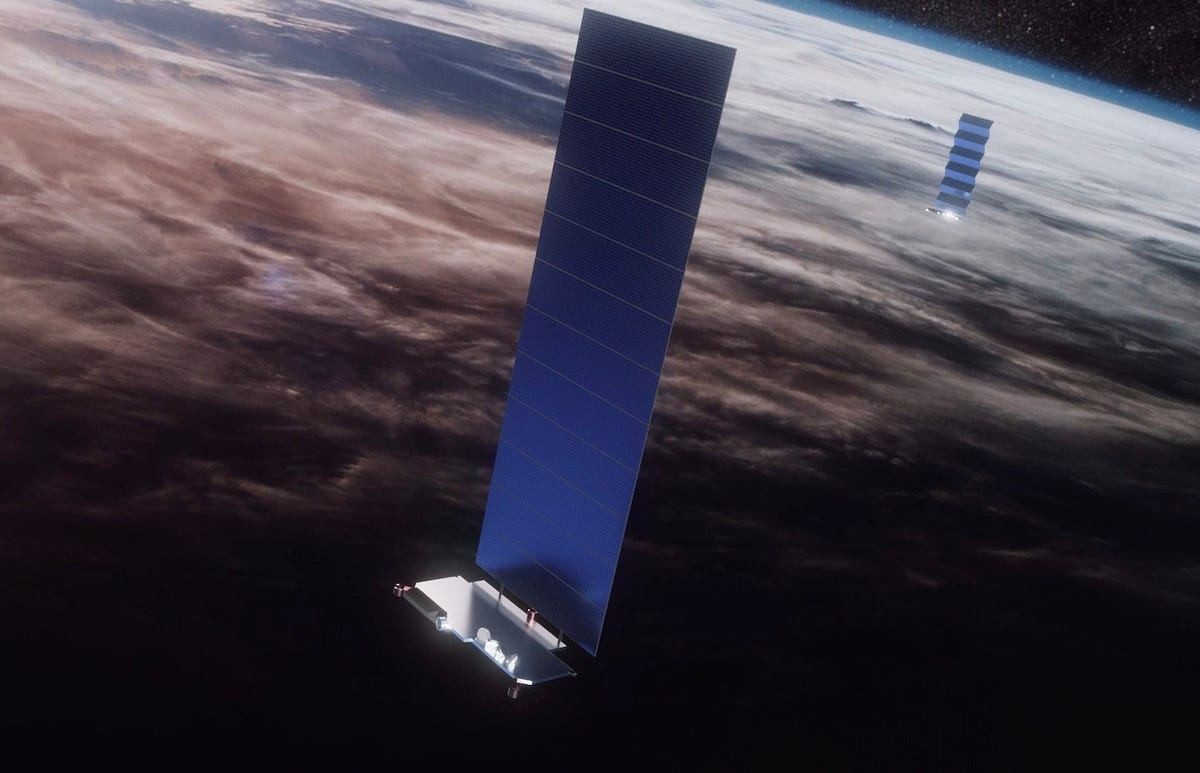
A growing dispute between Elon Musk and Delta Air Lines CEO Ed Bastian has intensified following Delta’s decision to reject SpaceX‘s Starlink satellite internet service in favor of Amazon‘s emerging Leo network. Musk has publicly criticized Delta’s onboard Wi-Fi performance and suggested Bastian could lose his job over the decision, while unverified reports suggest the airline executive expressed personal objections to working with Musk. Bastian denies any personal feud, insisting the decision reflects business considerations rather than personalities. Meanwhile, United and American Airlines are capitalizing on the controversy, promoting Starlink connectivity to attract Delta customers. With Amazon’s service not scheduled for installation on Delta aircraft until 2028, the disagreement raises broader questions about corporate decision-making, technological competition, and whether passengers ultimately bear the consequences of executive rivalries.
Key Takeaways
• Competitive Disadvantage: Delta selected Amazon Leo over Starlink despite competitors adopting Musk’s established satellite network, potentially leaving Delta behind in high-speed onboard connectivity.
• Executive Controversy: Musk publicly attacked Delta’s decision, while Bastian denied personal animosity and maintained that commercial considerations determined the airline’s choice.
• Market Competition: United and American are exploiting the dispute to recruit Delta customers, demonstrating how technological decisions can directly influence airline loyalty and competitive positioning.
In-Depth
Delta Air Lines’ decision to bypass Elon Musk’s Starlink satellite internet service has ignited an increasingly public confrontation that underscores the importance of corporate accountability and consumer choice in a competitive marketplace.
Delta CEO Ed Bastian defended the airline’s agreement with Amazon Leo, which will begin equipping 500 aircraft in 2028. Although Starlink already operates an extensive satellite network, Delta maintains that Amazon offers more favorable commercial terms and opportunities to integrate connectivity with its broader passenger services.
Musk has repeatedly criticized Delta’s existing Wi-Fi capabilities and predicted professional consequences for Bastian. The controversy intensified after unverified reports attributed disparaging comments about Musk to the Delta executive. Bastian rejected suggestions that personal animosity influenced the decision, praising Starlink’s technology and acknowledging that Delta previously participated in its testing.
Competitors have wasted little time exploiting the situation. United Airlines is promoting its Starlink-equipped aircraft while offering loyalty-status matching to attract dissatisfied travelers. American Airlines has announced plans to install Starlink across its mainline fleet beginning in 2027.
The dispute illustrates a fundamental principle of free enterprise: corporate executives remain accountable to customers and shareholders, regardless of their personal preferences or public disagreements. Choosing a technology provider involves legitimate considerations of cost, reliability, contractual flexibility, and long-term performance.
Nevertheless, Delta must demonstrate that its decision delivers competitive value rather than merely defending an executive preference. With passengers increasingly expecting dependable high-speed connectivity, the marketplace—not executive personalities—will ultimately determine whether Delta’s calculated gamble succeeds.
Sources
• https://www.nytimes.com/2026/10/09/business/elon-musk-delta-starlink-wifi.html
• https://www.travelweekly.com/Travel-News/Airline-News/Delta-CEO-addresses-Starlink-WiFi-controversy
• https://www.ajc.com/news/2026/10/elon-musk-duels-wi-fi-with-delta-ceo-ed-bastian/