

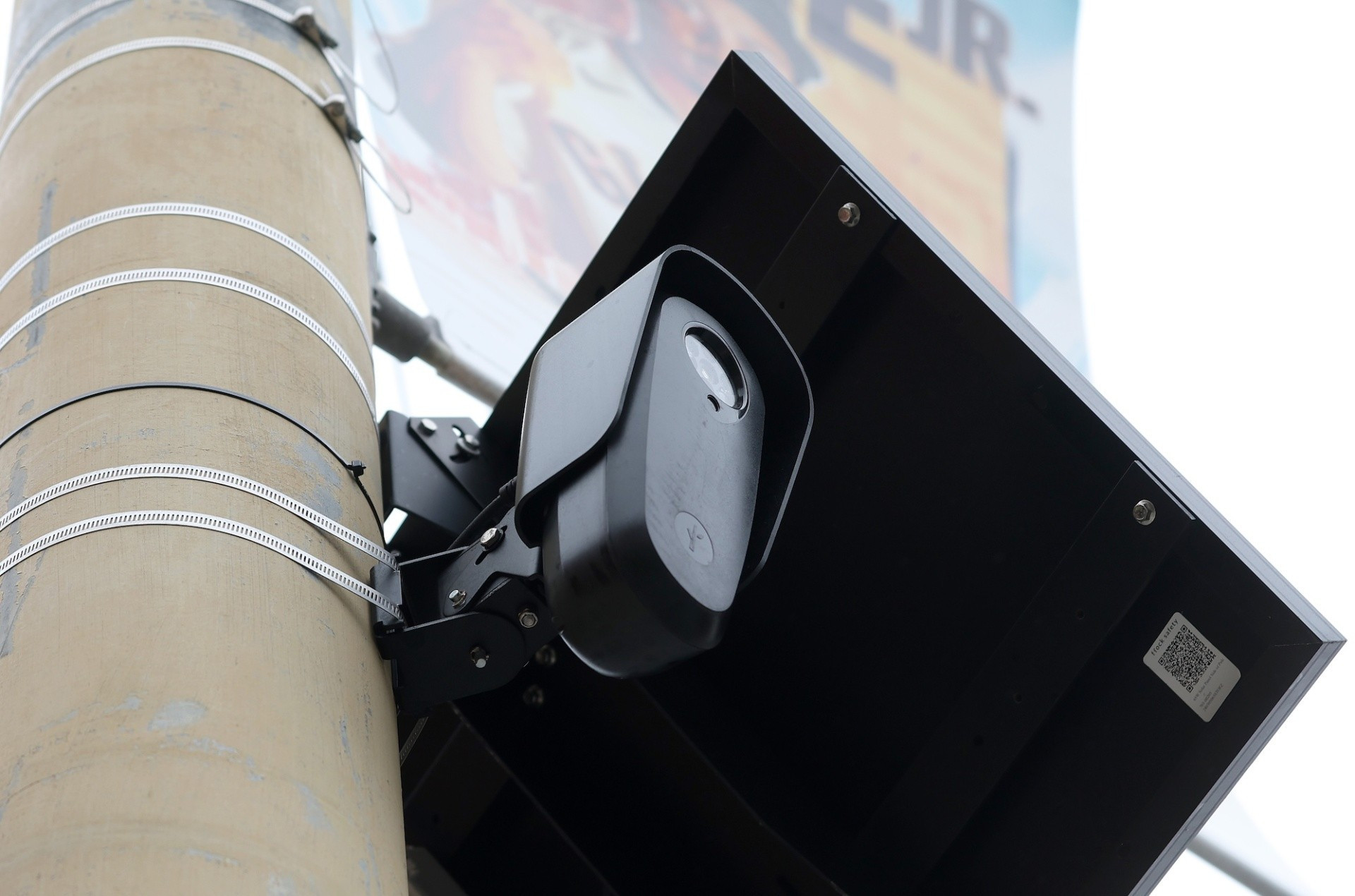
A federal judge has ruled that a law-enforcement officer violated the Fourth Amendment by using automated license-plate-reader databases to reconstruct a motorist’s historical movements without a warrant or probable cause. U.S. District Judge Sara E. Hill found that Tulsa County Deputy Sheriff Freddie Alaniz improperly searched Flock Safety and another plate-reader system after noticing a California-plated vehicle driven by Melisa Kyle, obtaining more than 50 records documenting roughly a month of travel across multiple states. Although the subsequent traffic stop itself was initially lawful, Hill concluded that the historical database search amounted to an unconstitutional warrantless search and characterized the technology’s broad collection capabilities as a form of indiscriminate mass surveillance. The decision resulted in suppression of evidence obtained following the unconstitutional search, including evidence from the vehicle, and marks a significant challenge to the increasingly widespread government use of interconnected license-plate surveillance networks.
Key Takeaways
- Judge Sara E. Hill ruled that searching roughly a month of historical vehicle-location data without a warrant or probable cause violated the Fourth Amendment, distinguishing long-term computerized tracking from an officer simply observing a license plate on a public highway.
- The search produced more than 50 records of the vehicle’s movements across multiple states, demonstrating how interconnected automated license-plate-reader systems can transform individual public observations into a detailed retrospective record of a person’s travel.
- The decision does not outlaw Flock cameras or establish binding nationwide precedent, and other courts have reached contrary conclusions. It nevertheless strengthens the argument that government access to accumulated historical location information requires greater constitutional safeguards than isolated observations occurring in public.
In-Depth
A federal judge in Oklahoma has drawn an important boundary around automated license-plate-reader technology, ruling that police cannot mine a month of a citizen’s movements merely because those movements occurred on public roads. The decision in United States v. Kyle concerned a Tulsa County deputy who searched Flock and another plate-reader database after noticing a California-plated vehicle, obtaining more than 50 location records spanning roughly a month.
The distinction matters. A police officer seeing a license plate on a highway is observation. A nationwide network recording vehicles, retaining their locations, and allowing government agents to reconstruct weeks of travel on demand is something different. Such a system can expose visits to doctors, lawyers, churches, political meetings, businesses, or private associations without investigators first demonstrating probable cause.
Judge Sara E. Hill concluded that the historical search violated the Fourth Amendment and suppressed evidence flowing from it. The ruling does not outlaw Flock cameras, prohibit targeted alerts, or establish a nationwide warrant requirement. Other courts have reached different conclusions, including decisions finding that motorists lack a reasonable expectation of privacy in vehicles openly traveling public roads.
Still, the case highlights a basic conservative principle: effective law enforcement and constitutional restraint are not opposing values. Technology should make government more capable, but greater capability demands limits. The Fourth Amendment exists because investigative convenience cannot become a substitute for individualized suspicion, judicial oversight, and warrants where constitutionally required. As surveillance networks become broader and searchable, courts will have to decide when observation becomes tracking.
Sources
- https://www.theepochtimes.com/us/judge-rules-officer-violated-constitutional-rights-with-flock-camera-search-6099476
- https://www.lawcommentary.com/articles/flock-license-plate-search-unconstitutional-fourth-amendment-oklahoma
- https://www.texaspolicyresearch.com/court-ruling-challenges-warrantless-flock-camera-searches/
- https://sherafy.com/flock-camera-warrant-ruling-fourth-amendment/