

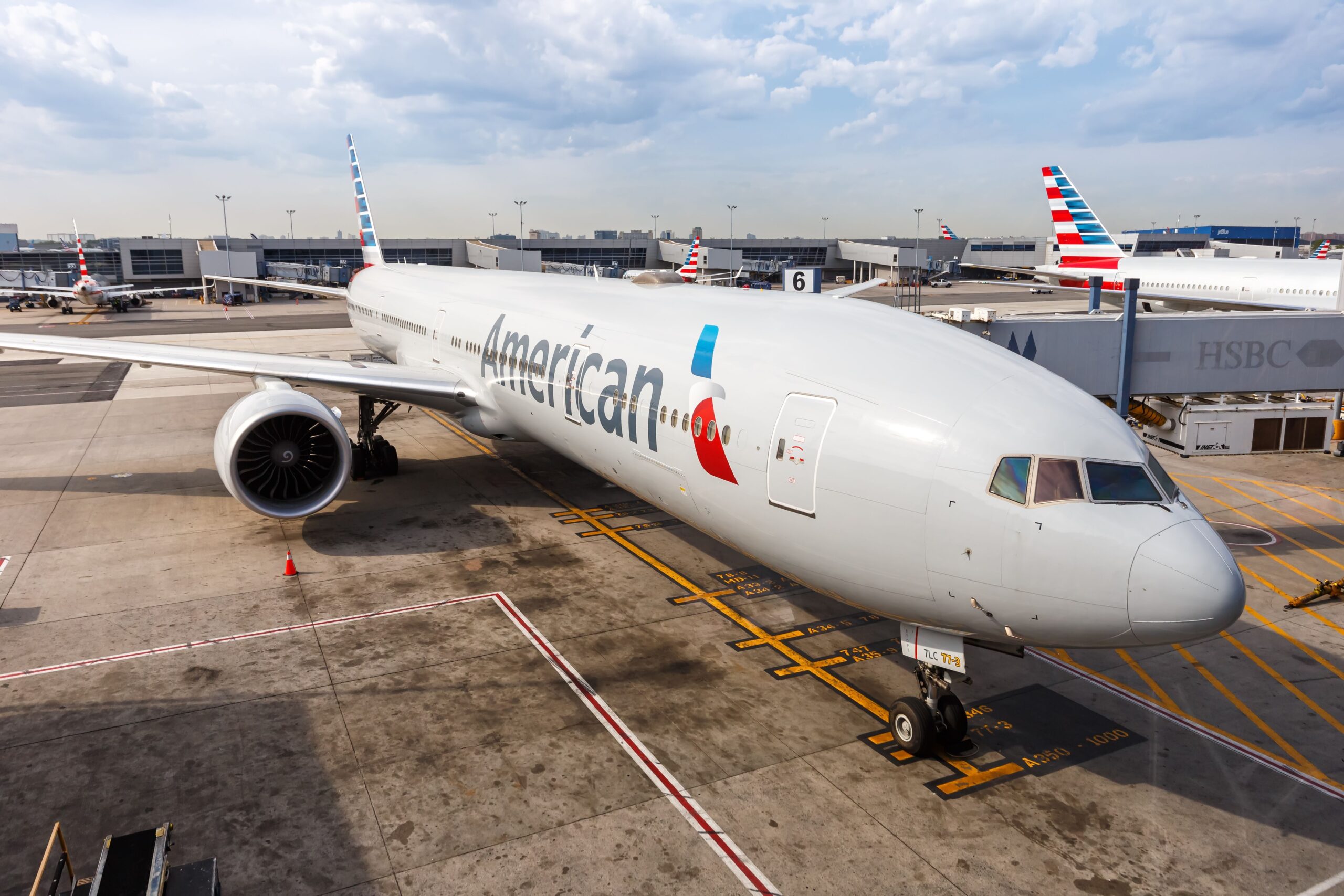
An American Airlines flight from Atlanta to Dallas landed safely after a passenger’s laptop battery caught fire during the aircraft’s approach to Dallas Fort Worth International Airport. Flight attendants quickly responded by containing the burning device with a thermal containment bag, preventing what could have become a far more serious in-flight emergency. Emergency personnel met the aircraft at the gate, where one passenger was treated and released, although air traffic control communications indicated that as many as four or five passengers may have suffered minor burns during the incident. The Federal Aviation Administration has opened an investigation while officials continue emphasizing the hazards posed by lithium-ion batteries aboard commercial aircraft.
Key Takeaways
- • Flight attendants’ rapid use of specialized thermal containment equipment likely prevented a laptop battery fire from escalating into a catastrophic cabin emergency.
- • The FAA continues to scrutinize lithium-ion battery incidents as portable electronic devices remain one of the most significant onboard fire risks in commercial aviation.
- • The incident highlights the importance of crew training, passenger awareness, and strict adherence to aviation safety procedures involving personal electronic devices.
In-Depth
A potentially dangerous in-flight emergency ended without tragedy after an American Airlines Airbus A321 safely landed at Dallas Fort Worth International Airport following a laptop battery fire in the passenger cabin. The aircraft, operating as Flight 2398 from Atlanta, was approaching its destination when smoke began pouring from a passenger’s laptop, creating an immediate safety concern inside the cabin.
Rather than allowing panic to spread, the flight crew followed established emergency procedures. Flight attendants isolated the burning device inside a thermal containment bag specifically designed to prevent lithium-ion battery fires from spreading. The aircraft continued to a safe landing under the pilot’s control before emergency personnel met the flight at the gate. One passenger received medical treatment and was released, though air traffic control recordings suggested several passengers may have sustained minor burns while the incident unfolded.
The episode serves as another reminder that modern aviation’s greatest onboard fire risks often come not from the aircraft itself but from the electronic devices passengers carry every day. Lithium-ion batteries can enter what engineers call “thermal runaway,” producing intense heat, smoke, and flames with little warning if damaged, defective, overheated, overcharged, or otherwise compromised. Once initiated, these fires can be difficult to extinguish without specialized equipment.
The successful outcome demonstrates why rigorous crew training and proven emergency protocols remain indispensable. Rather than becoming another aviation disaster, the event became an example of professional preparation, disciplined execution, and the value of maintaining robust safety standards as the FAA investigates exactly what caused the battery failure.