

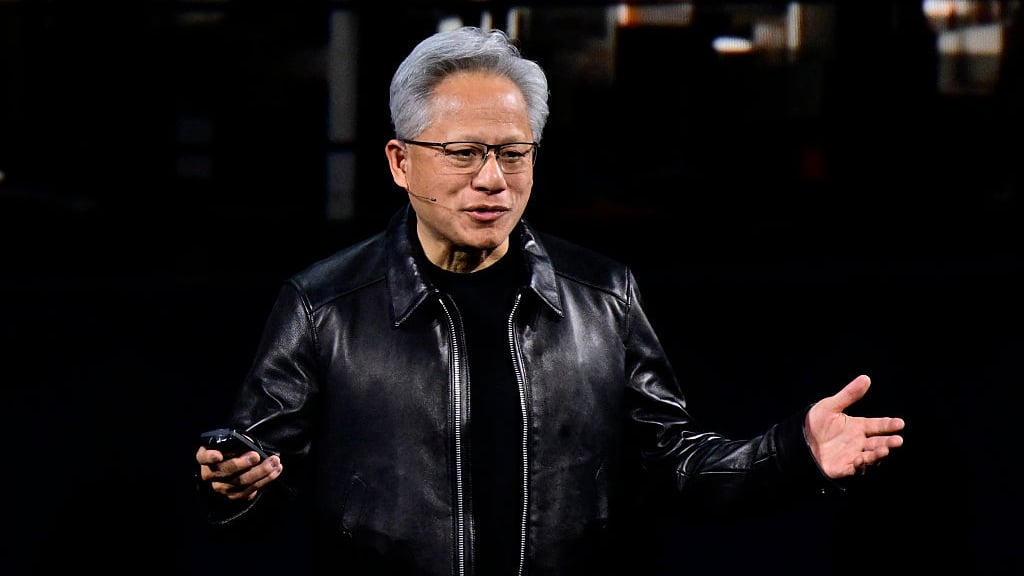
• Former Nvidia CEO Jensen Huang faces allegations of decades of workplace intimidation, public humiliation and verbal abuse, including threatening remarks toward employees.
• Former executives documented concerns about Huang’s conduct years earlier, with workplace disputes resulting in confidential financial settlements.
• Nvidia’s board has rejected Huang’s reinstatement despite employee support, raising questions about corporate accountability, leadership stability and the company’s future.
A new investigation into Nvidia’s workplace culture describes decades of alleged intimidation, public humiliation and verbal abuse under co-founder Jensen Huang, who resigned as chief executive Nov. 12. Interviews with former employees, along with court records, detail accusations that Huang used harsh personal attacks and threatening language to pressure workers. Former executives raised concerns years earlier, and at least one dispute resulted in a confidential settlement. Huang’s representative has disputed allegations about his conduct.
The revelations arrive amid a leadership crisis at the artificial intelligence chipmaker. Nvidia’s board says Huang will not be reinstated, despite appeals from employees and supporters who credit his demanding leadership with the company’s success. Interim CEO Colette Kress has pledged to stabilize the workforce and strengthen compensation as directors search for a successor. The controversy raises questions about whether Nvidia can preserve its technical ambition while establishing a management culture less dependent on one powerful founder.
Why It Matters
Nvidia’s crisis illustrates a basic principle of corporate accountability: Market success does not exempt executives from standards of professional conduct. Huang helped build a vital American technology company, but extraordinary commercial achievement cannot by itself resolve credible allegations of workplace intimidation. Equally, allegations should be evaluated against evidence, with accused individuals afforded a fair opportunity to respond rather than condemned through speculation.
For shareholders, the practical stakes extend beyond one executive’s reputation. Nvidia supplies critical computing technology for artificial intelligence, making leadership stability, employee retention and sound internal oversight matters of broad economic importance. Directors must protect the company’s competitive strengths without treating any individual as indispensable. That means confronting substantiated misconduct, respecting productive employees and maintaining an environment where legitimate disagreement is possible. A culture of excellence is worth defending; a culture of fear is not. Lasting innovation requires both accountability and the freedom to challenge leadership without retaliation.
Sources
• https://www.nytimes.com/2026/11/20/technology/jensen-huang-nvidia-culture.html
• https://www.wired.com/story/inside-nvidias-first-all-hands-without-jensen-huang-as-ceo/