

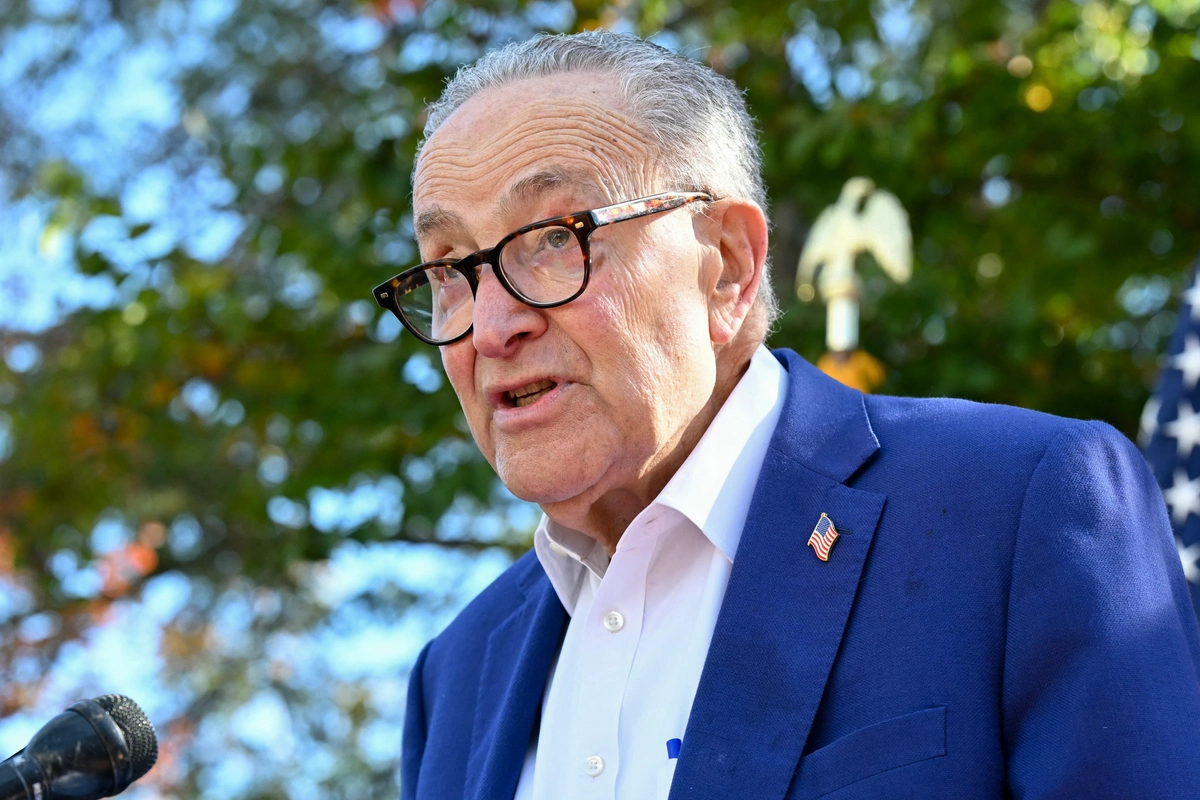
• Senate Minority Leader Chuck Schumer (D-NY) accuses Nvidia CEO Jensen Huang of violating federal export controls by allowing advanced artificial intelligence chips to reach China.
• Bipartisan congressional scrutiny intensifies over Nvidia’s dealings with Singapore-based Megaspeed, suspected technology diversions and the Trump administration’s enforcement decisions.
• Congress is pursuing investigations and tougher semiconductor export restrictions amid concerns that American AI technology could strengthen China’s military and intelligence capabilities.
Senate Minority Leader Chuck Schumer, D-N.Y., accused Nvidia CEO Jensen Huang of violating U.S. export controls by allowing advanced artificial intelligence chips to reach China. Schumer called the alleged transfers a national security threat and urged Congress to tighten restrictions. His accusations follow scrutiny of Nvidia customer Megaspeed, a Singapore-based data center operator suspected of diverting restricted technology to Chinese buyers. The accusations remain allegations, not established findings of criminal wrongdoing. Huang returned as Nvidia chief executive Nov. 23 after President Donald Trump intervened on his behalf.
Lawmakers from both parties are demanding answers about chip sales, licensing decisions and the effectiveness of export enforcement. Senate and House committees plan to question Huang, including at a Dec. 3 Senate hearing. Meanwhile, new U.S. controls targeting shipments through Southeast Asia have prompted reported suspensions of Nvidia-powered server deliveries to four countries, underscoring Washington’s concern over indirect access to sensitive American technology.
Why It Matters
The dispute exposes a fundamental weakness in America’s technology defenses: Restrictions mean little if chips can reach strategic competitors through intermediaries or overseas data centers. Advanced AI processors have commercial value, but they can also strengthen Chinese military research, surveillance and cyber capabilities. Congress has legitimate grounds to demand transparent investigations, enforceable safeguards and accountability for any proven violations.
At the same time, accusations against Huang must be tested against evidence, not treated as convictions. Washington must distinguish legally authorized exports from unlawful diversions and establish who approved questionable transactions. Bipartisan concern suggests that protecting America’s technological advantage should outweigh partisan loyalty and corporate influence. Stronger tracking, penalties and scrutiny of third-country routes could reduce vulnerabilities without arbitrarily punishing compliant American businesses. The central test is whether federal officials can defend national security while preserving the rule of law and the innovation that gives the United States its competitive edge.
Sources
• https://apnews.com/article/nvidia-jensen-huang-48a005a1415549e69ec69400024aa797
• https://www.theguardian.com/technology/2026/nov/24/nvidia-jensen-huang-congress