

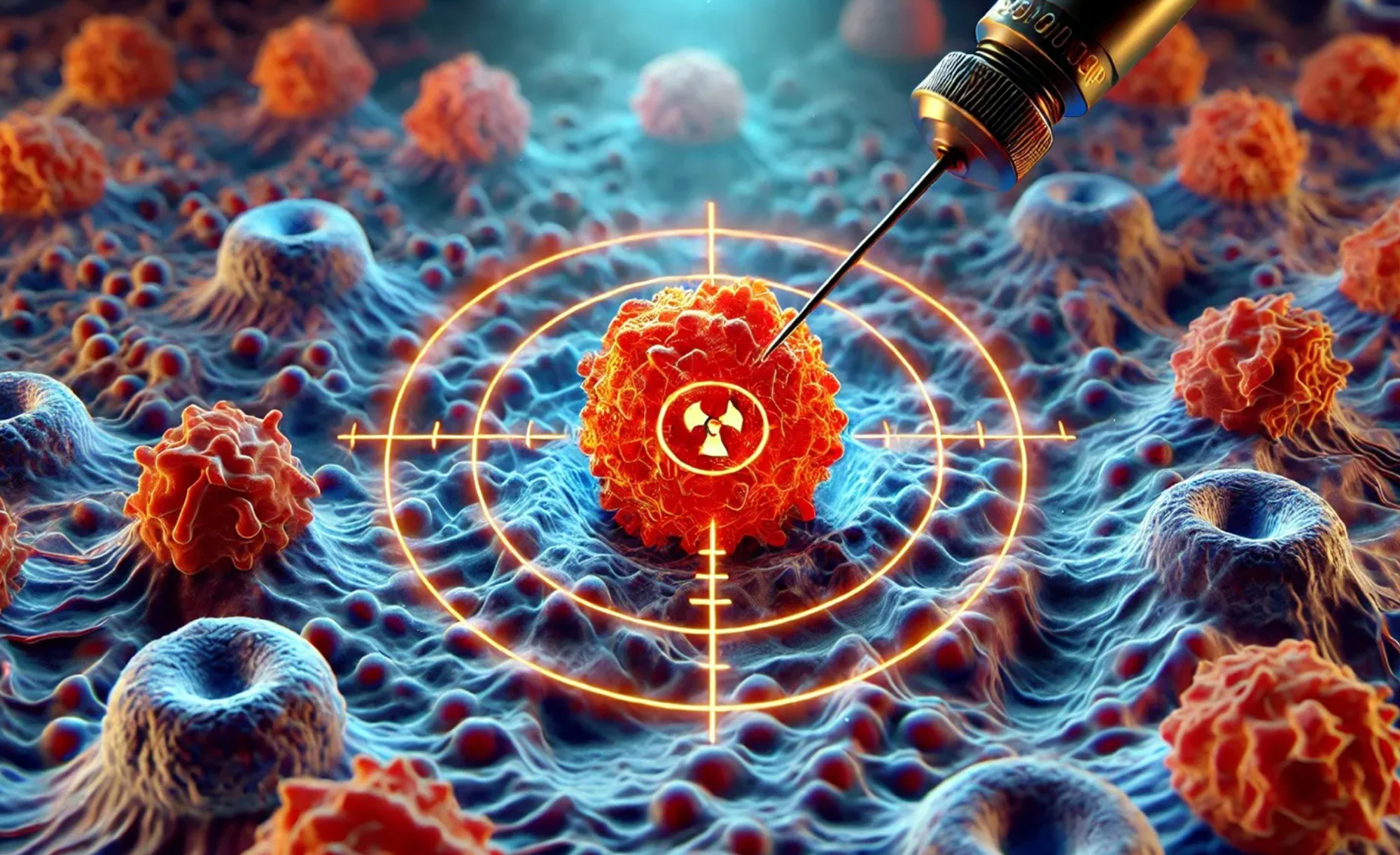
A British startup has taken a significant step toward transforming cancer treatment by raising £23 million to commercialize a compact nuclear fusion reactor capable of producing medical radioisotopes essential for diagnosing and treating cancer. Unlike massive fusion projects focused on generating electricity, the tabletop-sized reactor developed by Astral Systems is designed to produce high-energy neutrons that create isotopes such as Actinium-225 and Lead-212, materials increasingly vital for precision cancer therapies. The company hopes to begin supporting pre-clinical and Phase I drug trials by early 2027 while expanding production at a new facility in Berkeley, England. The effort also addresses growing concerns over the world’s dependence on aging nuclear fission reactors for isotope production, many of which are expected to retire within the next decade, threatening supplies for hospitals and researchers. The development illustrates how private-sector innovation, backed by venture capital and practical engineering rather than government bureaucracy alone, is increasingly driving meaningful advances in medicine and nuclear technology.
Sources
- https://www.thetimes.com/business/entrepreneurs/article/nuclear-fusion-reactor-astral-systems-bristol-cancer-k35jhpzzp
- https://www.eu-startups.com/2026/06/bristols-astral-systems-secures-e26-million-series-a-to-support-medical-isotope-commercialisation
- https://pathfounders.com/p/astral-systems-lands-23m-to-scale-up-novel-approach
Key Takeaways
- • Compact fusion technology is moving beyond theoretical energy production and into practical medical applications, with cancer treatment becoming one of its first commercial uses.
- • Growing shortages of medical radioisotopes caused by aging nuclear fission infrastructure have created an opportunity for innovative private companies to strengthen domestic supply chains.
- • Successful commercialization could reduce dependence on foreign isotope imports while expanding access to advanced targeted cancer therapies and accelerating pharmaceutical research.
In-Depth
For decades, nuclear fusion has largely been discussed as the elusive energy source of the future. While governments have invested billions pursuing commercial fusion power, a small private company has demonstrated that fusion’s first widespread commercial success may arrive not through the electric grid but through modern medicine.
Rather than competing with massive international fusion projects, Astral Systems has pursued a practical objective: producing the radioisotopes needed for increasingly sophisticated cancer diagnostics and targeted therapies. Its compact reactor offers the possibility of creating critical isotopes without relying exclusively on aging nuclear fission reactors whose retirement threatens future medical supplies. If successful, hospitals and pharmaceutical researchers could gain a more dependable source of materials essential to precision oncology.
The company’s successful fundraising also highlights an important lesson about innovation. Investors appear increasingly willing to support technologies with realistic commercial pathways instead of distant promises. By generating revenue before pursuing large-scale expansion, Astral has demonstrated that disciplined private enterprise can move breakthrough science from laboratory concepts toward practical applications.
The broader implications extend beyond healthcare. Nations that develop domestic isotope production reduce strategic dependence on foreign suppliers while strengthening both national security and medical resilience. That combination of technological leadership and supply-chain independence has become increasingly valuable as geopolitical uncertainty grows.
Should clinical milestones be achieved on schedule, this project may ultimately be remembered as one of the first examples where fusion technology delivered measurable public benefits long before it began powering homes or businesses. Rather than waiting decades for an energy revolution, fusion may first prove its worth by helping physicians diagnose disease earlier, deliver more precise cancer treatments, and save lives.