

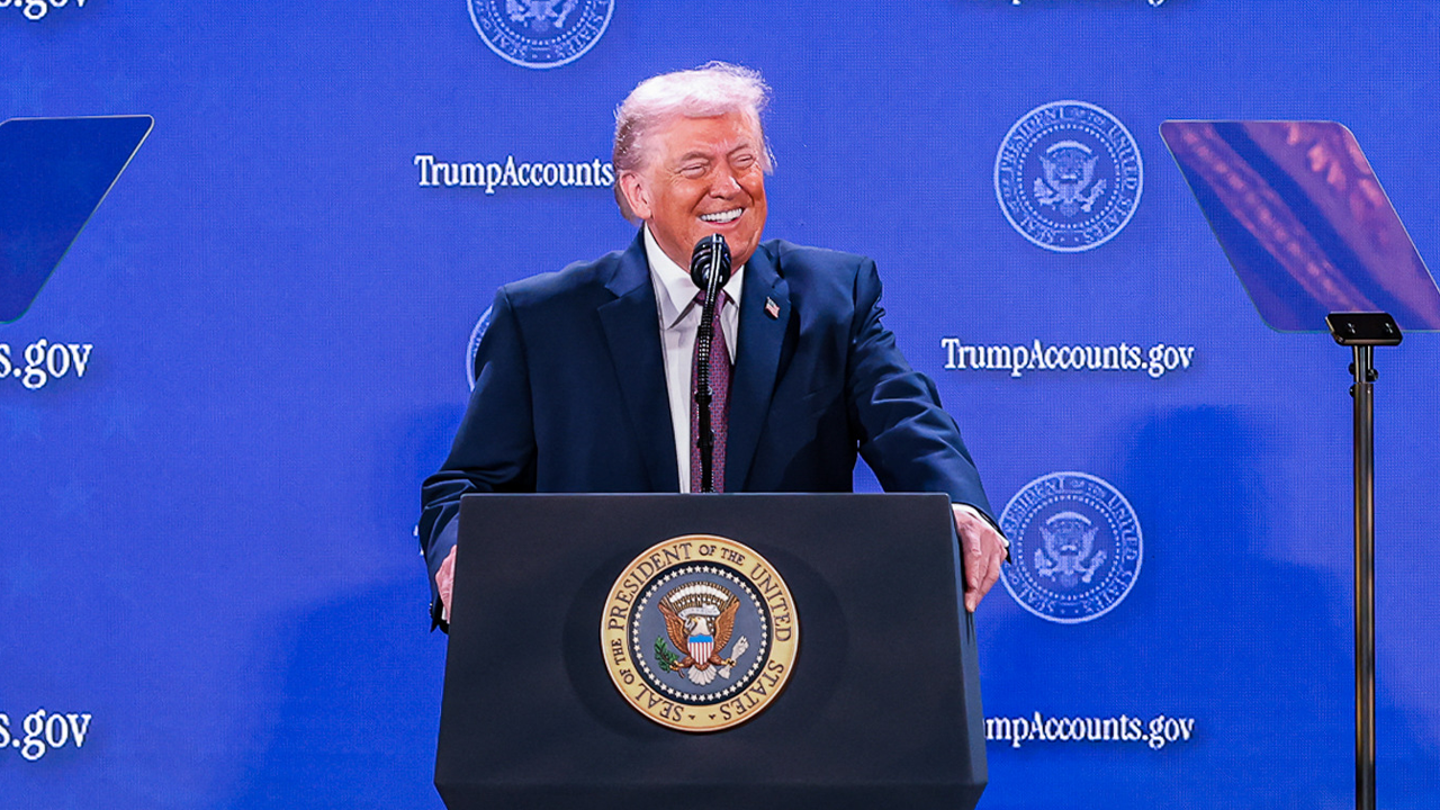
• President Donald Trump will attend a Dec. 4 groundbreaking ceremony in Phoenix for the fifth phase of TSMC’s semiconductor manufacturing expansion.
• TSMC’s planned $265 billion U.S. investment aims to strengthen domestic semiconductor production, support artificial intelligence development and reduce dependence on foreign supply chains.
• The White House projects 10,000 direct jobs and 11,000 indirect jobs from the expansion, reinforcing Arizona’s emergence as a major American technology manufacturing center.
President Donald Trump is scheduled to visit Phoenix on Dec. 4 for a groundbreaking ceremony marking the fifth phase of Taiwan Semiconductor Manufacturing Co.’s Arizona expansion. The event underscores demand for advanced chips powering artificial intelligence, smartphones and other technologies. TSMC announced another $100 billion investment in July, raising its total planned U.S. commitment to $265 billion. The expansion includes advanced fabrication plants and chip packaging facilities designed to increase domestic manufacturing capacity.
The White House projects 10,000 direct jobs and 11,000 indirect jobs from the expansion, while more than 12,000 construction jobs already support the site. TSMC began producing chips at its first Arizona factory in late 2024. Its expansion builds on investments spanning multiple administrations, including federal support under the CHIPS and Science Act. Trump has emphasized tariffs and investment agreements as tools for bringing manufacturing to America amid mounting competition over artificial intelligence and semiconductor supply chains.
Why It Matters
The Arizona groundbreaking represents more than another construction project. Advanced semiconductors are essential to economic growth, military capabilities and the artificial intelligence industry. Increasing production on American soil could reduce reliance on overseas factories, particularly those in Taiwan, whose security remains a strategic concern. Expanding domestic capacity also offers opportunities for skilled workers, suppliers and communities that benefit from long-term industrial investment.
Trump’s appearance puts a spotlight on whether federal trade policy can translate corporate commitments into operating factories and durable American jobs. Previous semiconductor incentives also contributed to the project’s development, illustrating how rebuilding a critical industry extends beyond a single administration. The investment’s ultimate value will depend on completed facilities, competitive production costs, qualified workers and reliable infrastructure. For policymakers, the central test is whether America can sustain advanced manufacturing capacity rather than merely celebrate investment announcements, strengthening economic independence without overlooking costs to taxpayers and local communities.
Sources
• https://azcommerce-prod.azurewebsites.net/news-events/news/2026/7/tsmc-announcement/