

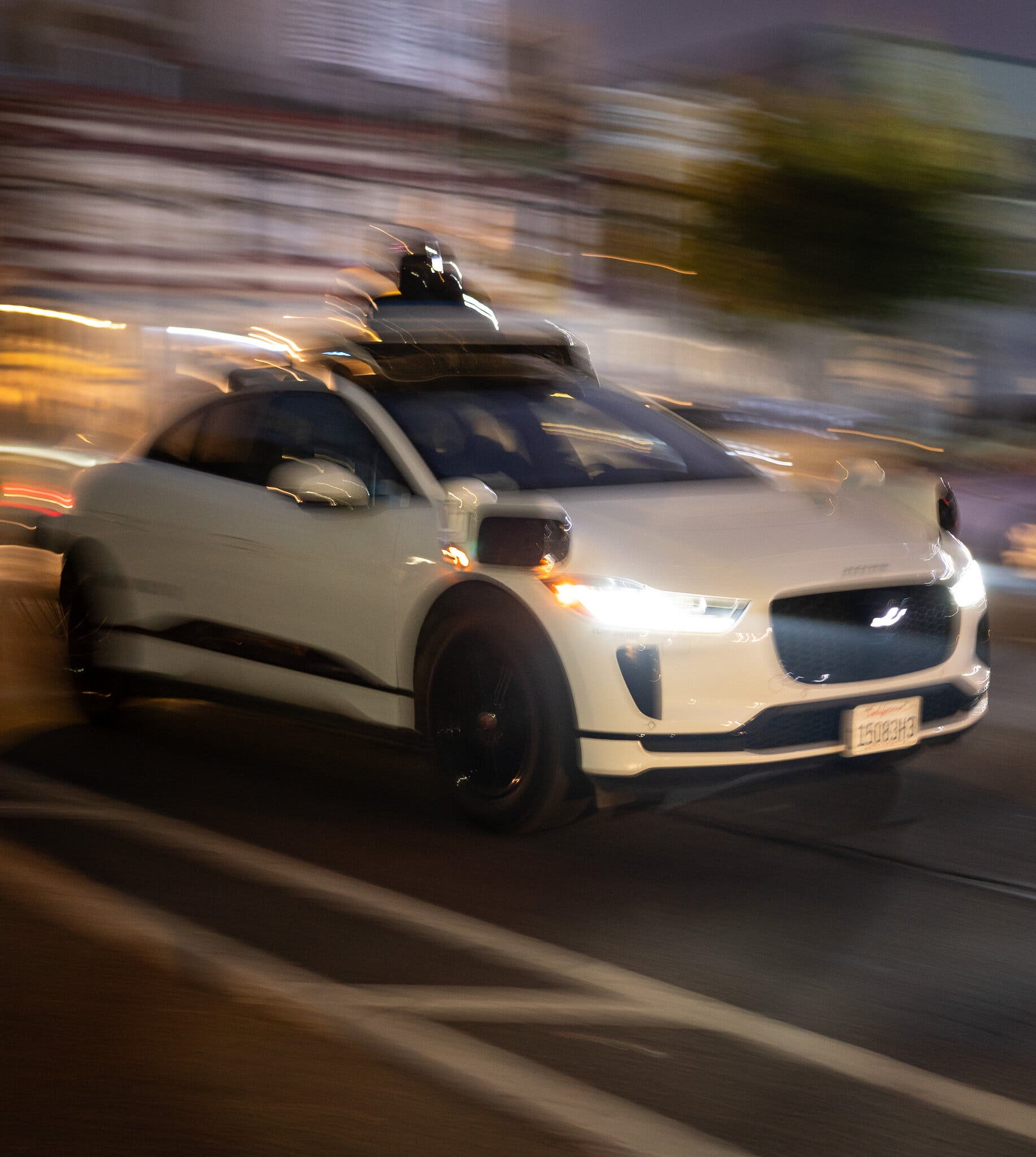
– A driverless Waymo vehicle attempted to bypass California Highway Patrol cruisers conducting a traffic break on Interstate 280 in San Francisco, forcing officers to intervene.
– The autonomous vehicle reportedly tried twice to maneuver around patrol cars before complying, raising concerns about its ability to recognize and obey police traffic controls.
– The incident follows previous Waymo freeway safety problems and underscores questions about regulatory oversight, public safety and accountability as autonomous vehicle operations expand.
A driverless Waymo vehicle attempted to maneuver past California Highway Patrol cruisers conducting a traffic break on Interstate 280 in San Francisco on Nov. 6, raising questions about how autonomous vehicles interpret police instructions. Video recorded by another motorist shows the robotaxi approaching officers who were slowing traffic while debris was cleared from the roadway. The vehicle changed lanes and appeared to seek a route around the cruisers before officers blocked its path.
The CHP confirmed that officers intervened and the Waymo ultimately remained behind the traffic break. Authorities have not announced whether the company will face a citation or other penalty. The incident follows earlier problems with Waymo vehicles entering freeway construction zones, which prompted operating restrictions and software changes. California has also expanded procedures for reporting autonomous vehicle traffic violations. While the video does not establish a broader failure across the fleet, it highlights the difficulty of handling unexpected directions from police.
Why It Matters
The incident exposes a basic public safety question: Can a driverless vehicle reliably recognize that a police officer’s control of traffic takes precedence over an apparent opening in the road? A human driver is expected to understand a traffic break, slow down and remain behind patrol cars. Autonomous systems must meet that same standard, particularly when road crews and emergency personnel are operating nearby.
Innovation can improve transportation, but public streets are not laboratories where ordinary motorists should bear the consequences of unproven responses. California regulators have strengthened oversight of autonomous vehicles, yet meaningful enforcement depends on documenting incidents, identifying software shortcomings and requiring corrective action. Waymo’s eventual compliance is important, but so is its initial attempt to maneuver around officers. Before driverless freeway service expands further, regulators and manufacturers should demonstrate that these vehicles consistently respect traffic controls, respond predictably to unusual hazards and remain accountable under the same rules that govern everyone else.
Sources
- https://www.sfchronicle.com/bayarea/article/waymo-chp-sf-freeway-22526518.php
- https://abc7news.com/post/video-driverless-waymo-tries-bypass-chp-traffic-break-san-francisco-freeway/20036828/
- https://www.police1.com/traffic-safety/video-driverless-waymo-tries-to-pass-chp-traffic-break
- https://sfist.com/2026/11/11/waymo-tailgates-tries-to-pass-chp-blockade-in-sf-while-another-drives-around-with-ticket/