

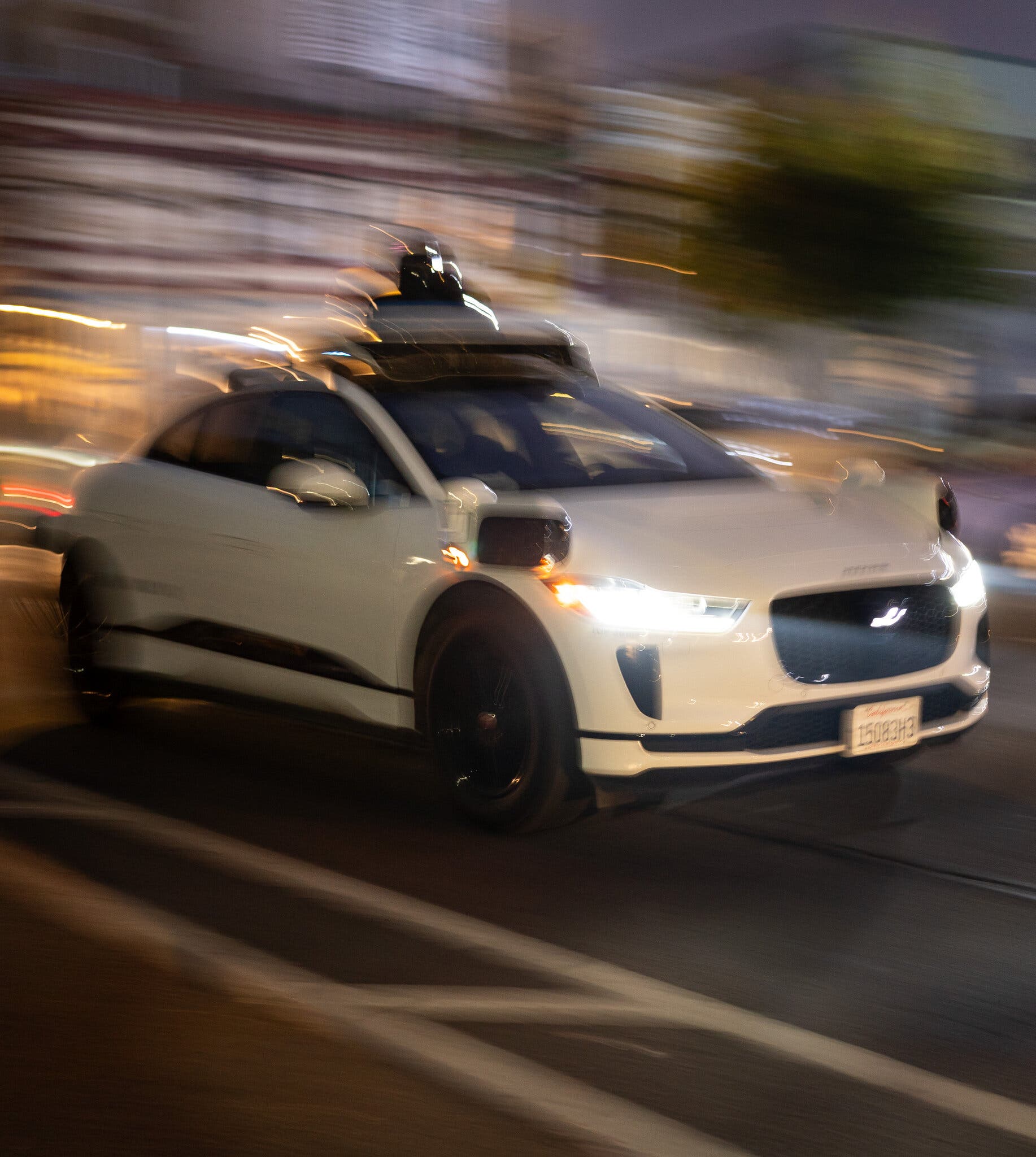
In an age where convenience is king and technology increasingly mediates our daily lives, the rise of autonomous vehicle services like Waymo represents both a remarkable achievement and a troubling frontier. Recently, reports that Waymo vehicles have flagged and reported underage drinking behavior among passengers have sparked a deeper conversation—one that goes far beyond ridesharing logistics and into the heart of personal liberty, surveillance, and corporate responsibility. The question is no longer simply what these machines can do, but what they should do.
At first glance, the idea of preventing underage drinking seems uncontroversial. Few would argue that minors consuming alcohol is harmless, and law enforcement has long treated it as a legitimate public safety concern. From that perspective, a system that identifies and reports such behavior might appear to be an extension of existing norms—akin to a vigilant driver refusing service or calling authorities when witnessing illegal conduct. In theory, it’s about safety and accountability.
But that framing quickly breaks down when we consider the mechanism involved. Waymo vehicles are not human actors making judgment calls; they are rolling sensor platforms, equipped with cameras, microphones, and artificial intelligence systems that interpret behavior in real time. When those systems are used not just to navigate roads but to monitor and report passengers, the nature of the transaction fundamentally changes. A ride is no longer just a ride—it becomes a form of surveillance.
This raises a core ethical dilemma: consent. Most passengers likely understand that autonomous vehicles rely on sensors to operate safely. However, there is a meaningful difference between data used to avoid collisions and data used to police behavior inside the vehicle. If riders are not explicitly informed that their conversations, actions, or even the contents of their bags could be analyzed and reported, then the line between safety and intrusion becomes dangerously blurred.
There is also the question of proportionality. Underage drinking, while illegal, is not typically treated as a high-priority enforcement issue in most communities. It is often handled through warnings, citations, or parental involvement. Introducing a system where a private corporation’s technology automatically escalates such behavior to law enforcement risks creating a disproportionate response. It transforms what has traditionally been a minor infraction into a potential legal ordeal triggered by an algorithm.
From a broader societal perspective, this trend fits into a growing pattern: the quiet normalization of surveillance in exchange for convenience. Americans have already ceded significant ground in this area, often without fully realizing it. Smartphones track our locations, apps monitor our habits, and smart devices listen for commands. Now, even transportation—once a relatively private space—is becoming subject to continuous observation. The danger is not any single instance of monitoring, but the cumulative effect of all of them.
There is a distinctly conservative concern embedded here, one rooted in skepticism toward centralized control and the unchecked expansion of authority—whether governmental or corporate. When private companies begin acting as quasi-law enforcement entities, collecting data and making decisions that can have legal consequences, the traditional boundaries between public and private power start to erode. That should give pause to anyone who values limited government and individual autonomy.
Defenders of Waymo’s approach might argue that the company has a duty to comply with the law and to ensure its platform is not used for illegal activities. That is a reasonable position. Businesses are not obligated to facilitate unlawful behavior, and they have every right to set terms of service that reflect that. However, there is a difference between refusing service and actively surveilling and reporting customers. One is a boundary; the other is an escalation.
A more balanced approach would emphasize transparency and restraint. If companies like Waymo intend to monitor in-cabin behavior, they should make that abundantly clear to users before a ride begins. Passengers should understand exactly what is being recorded, how it is being analyzed, and under what circumstances it might be shared with third parties, including law enforcement. Anything less undermines trust and invites backlash.
Additionally, there should be clear limits on what triggers reporting. Not every minor infraction warrants escalation, and algorithms are not known for their nuance. Without careful safeguards, there is a real risk of overreach—of systems flagging behavior inaccurately or disproportionately affecting certain groups. Once that trust is broken, it is difficult to rebuild.
Ultimately, the issue is not about defending underage drinking. It is about defending the principle that technology should serve people, not monitor them into submission. The promise of innovation is that it improves our lives without eroding our freedoms. If autonomous systems begin to act as ever-present overseers, quietly documenting and reporting our behavior, then we have crossed a line—one that may be far more difficult to walk back than we expect.
Waymo’s situation is a warning shot. It forces us to confront a simple but urgent question: in our pursuit of safety and efficiency, how much of our privacy—and our independence—are we willing to give up? The answer will shape not just the future of transportation, but the character of the society we choose to build.