

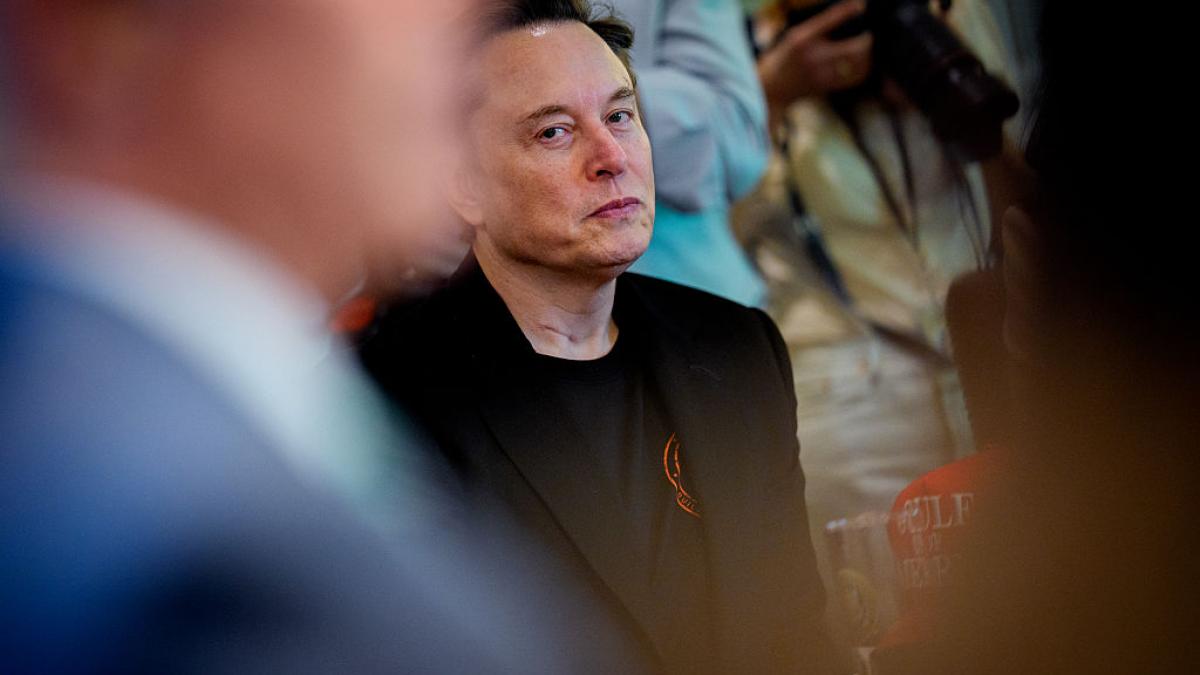
A high-stakes legal clash has emerged between Elon Musk and OpenAI, with Musk alleging the organization abandoned its original nonprofit mission in favor of profit-driven partnerships and closed development practices. The lawsuit centers on claims that OpenAI, co-founded with Musk in 2015, has strayed from its commitment to develop artificial intelligence for the benefit of humanity and instead aligned itself too closely with corporate interests—particularly through its deepening relationship with Microsoft. OpenAI disputes the claims, arguing its current structure is necessary to fund cutting-edge AI research and remain competitive. The case raises broader concerns about transparency, corporate influence, and whether the promises made during the early days of AI development are being upheld or quietly discarded.
Sources
https://www.nzherald.co.nz/business/musk-faces-off-with-openai-in-court-over-broken-promises/F2WWS5HSXZCFNEJO5RKVUQ33BI/
https://www.reuters.com/technology/elon-musk-sues-openai-over-profit-shift-2024-03-01/
https://www.cnbc.com/2024/03/01/elon-musk-sues-openai-and-sam-altman-over-ai-profit-shift.html
Key Takeaways
- Musk’s lawsuit alleges OpenAI abandoned its nonprofit roots and original mission to serve humanity in favor of profit and corporate partnerships.
- OpenAI maintains that its hybrid structure is essential to secure funding and compete in an increasingly capital-intensive AI landscape.
- The case underscores growing tension over who controls advanced AI development and whether early ethical commitments are being compromised.
In-Depth
At the center of this dispute is a fundamental question about trust, intent, and the trajectory of one of the most consequential technologies of the modern era. When OpenAI was first launched, it positioned itself as a counterweight to the traditional corporate model—pledging openness, transparency, and a nonprofit structure designed to ensure artificial intelligence would serve humanity rather than narrow financial interests. That vision attracted high-profile backers, including Elon Musk, who now argues that the organization has drifted far from its founding principles.
Musk’s legal challenge zeroes in on OpenAI’s transition to a capped-profit model and its increasingly tight integration with Microsoft. Critics see this evolution as predictable, if not inevitable. Advanced AI development requires enormous computing power, specialized talent, and sustained capital investment—conditions that are difficult to meet under a purely nonprofit framework. OpenAI’s leadership contends that adapting its structure was not a betrayal but a necessity to remain viable in a fiercely competitive environment dominated by tech giants.
Still, the optics are hard to ignore. What began as an open research initiative now operates with guarded models, proprietary systems, and commercial products. That shift raises legitimate concerns about whether the safeguards envisioned at the outset have been diluted. Musk’s lawsuit taps into a broader unease about concentration of power in the AI sector, where a handful of entities wield outsized influence over technologies that could reshape economies, national security, and daily life.
Beyond the courtroom, the implications are significant. If Musk’s claims gain traction, they could force a reevaluation of governance models in AI development, potentially prompting stricter oversight or renewed emphasis on transparency. If OpenAI prevails, it may reinforce the idea that idealism must yield to practical realities in a high-stakes technological race. Either way, the outcome will likely shape not just one organization’s future, but the expectations placed on the entire industry moving forward.