

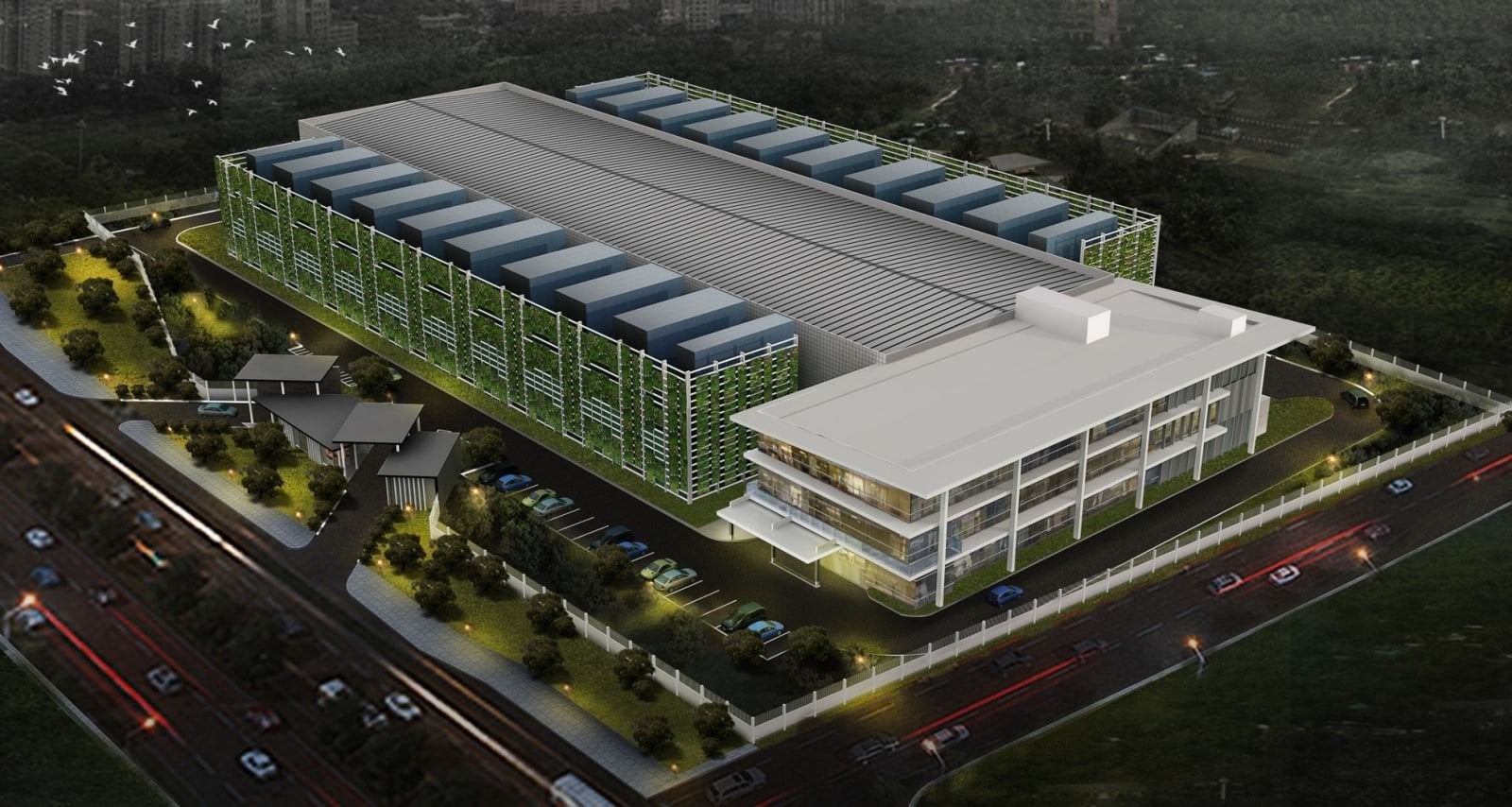
A rapidly expanding push to construct large-scale data centers in South Carolina is drawing national attention as lawmakers, including Rep. Nancy Mace, weigh the economic promise of artificial intelligence infrastructure against mounting concerns over energy consumption, land use, and community disruption. The proposed developments—fueled by surging demand for AI computing power—highlight a broader trend across the United States, where states compete to attract high-tech investment while grappling with the strain such facilities place on power grids and natural resources. Supporters argue these projects bring jobs, tax revenue, and technological leadership, while critics warn of long-term environmental costs, opaque planning processes, and limited direct employment benefits. The debate unfolding in South Carolina reflects a pivotal moment in how aggressively states should pursue AI-driven economic growth and at what cost to local communities and infrastructure stability.
Sources
https://www.washingtonexaminer.com/policy/energy-and-environment/4574913/mace-data-center-construction-south-carolina-ai/
https://www.reuters.com/technology/data-centers-power-demand-ai-growth-2025-12-12/
https://www.wsj.com/articles/data-centers-energy-usage-ai-demand-electricity-grid-11678923456
Key Takeaways
- The rapid expansion of AI-driven data centers is placing significant pressure on local energy infrastructure and raising concerns about sustainability.
- Political leaders are divided between pursuing economic growth through tech investment and protecting communities from long-term environmental and resource impacts.
- Data centers provide economic benefits, but their relatively low employment footprint compared to their resource demands is fueling skepticism.
In-Depth
The push to establish massive data centers in South Carolina is not happening in a vacuum—it is part of a larger national race to dominate the infrastructure backbone of artificial intelligence. As AI systems become more sophisticated and data-hungry, the need for powerful computing facilities has surged. States like South Carolina see an opportunity to position themselves at the center of this technological shift, offering land, incentives, and regulatory flexibility to attract major developers. For proponents, the argument is straightforward: these projects bring investment, increase tax bases, and signal that a state is open for cutting-edge business.
But beneath the surface, the reality is more complicated. Data centers consume enormous amounts of electricity, often rivaling the energy usage of small cities. This has raised legitimate concerns about grid reliability, especially in regions that may not have been built to handle such demand. When a single facility can strain local infrastructure, the question becomes whether the long-term costs outweigh the short-term economic gains. Critics argue that taxpayers may ultimately shoulder the burden through higher utility costs or the need for expanded energy infrastructure.
There is also the issue of land use and environmental impact. Large data centers require significant acreage, and their construction can disrupt ecosystems, alter local landscapes, and increase water usage for cooling systems. In a state like South Carolina, where natural resources and coastal ecosystems are central to both the economy and quality of life, these concerns carry weight. Residents are increasingly asking whether the benefits of hosting these facilities justify the potential degradation of their environment.
From a workforce perspective, the benefits are more limited than many assume. While construction phases can generate temporary jobs, long-term employment opportunities at data centers are relatively modest. These facilities are highly automated, requiring far fewer workers than traditional manufacturing or industrial projects. This reality complicates the economic argument often used to justify aggressive recruitment of such developments. If the job creation is minimal, the value proposition shifts more heavily toward tax revenue and indirect economic activity.
At the political level, the debate reflects a broader ideological divide. Some leaders emphasize the importance of embracing technological advancement and ensuring the United States remains competitive in AI development. Others take a more cautious approach, arguing that unchecked expansion of energy-intensive infrastructure could undermine long-term stability and local autonomy. The involvement of figures like Nancy Mace underscores how this issue is becoming a focal point in policy discussions, particularly in regions experiencing rapid growth.
There is also a transparency issue that cannot be ignored. Many of these deals are negotiated behind closed doors, with details about incentives, environmental assessments, and long-term obligations not always fully disclosed to the public. This lack of visibility fuels skepticism and erodes trust, especially when communities feel decisions are being made without their input. In an era where public accountability is increasingly demanded, this approach may prove to be a strategic misstep.
Ultimately, the situation in South Carolina serves as a microcosm of a much larger national challenge. The rise of artificial intelligence is not just a technological story—it is an infrastructure story, an energy story, and a governance story. Balancing the promise of innovation with the realities of resource constraints and community impact will require more than simple pro-growth or anti-growth rhetoric. It will demand thoughtful policy, transparent decision-making, and a willingness to confront the trade-offs head-on.
What is clear is that the decisions being made now will have long-term consequences. Once these facilities are built, their footprint—both physical and economic—is difficult to reverse. That makes the current moment critical. States like South Carolina are effectively setting precedents that others will follow, for better or worse. Whether this leads to sustainable growth or unintended strain will depend largely on how carefully those decisions are made today.